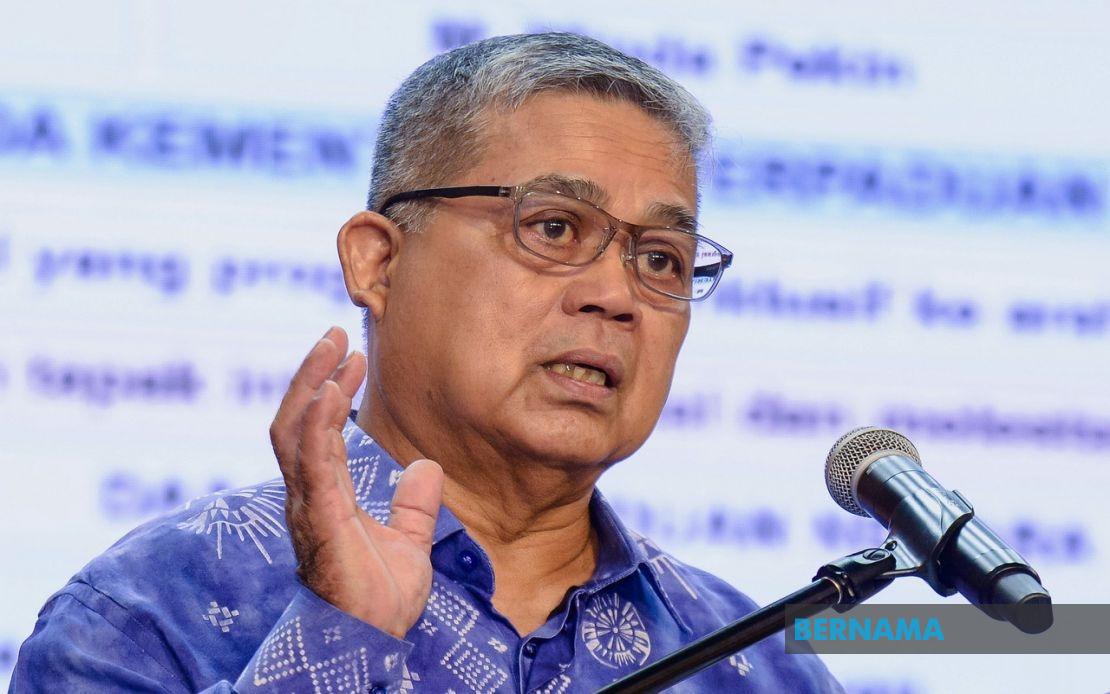
The National Unity Ministry has set an ambitious target of producing 1,280 certified community mediators by 2030, marking a significant push to transform how Malaysians resolve disputes outside the courtroom. Minister Datuk Aaron Ago Dagang unveiled the initiative as part of broader efforts to operationalise the 13th Malaysia Plan's commitment to building social cohesion through effective and sustainable conflict management mechanisms. The move signals recognition that Malaysia's judicial system faces considerable strain, and alternative dispute resolution pathways can alleviate pressure while delivering faster, more accessible justice to ordinary citizens.
The strategy reflects a fundamental shift in how policymakers view community stability. Rather than treating courts as the default mechanism for resolving neighbourhood quarrels, family disputes, or commercial disagreements, the ministry is investing in locally-embedded mediators who can help parties reach mutually acceptable solutions through dialogue and negotiation. This approach carries particular relevance for Malaysia's diverse, multi-ethnic society, where preserving relationships and maintaining community fabric often matters as much as determining legal right and wrong. By training certified professionals embedded within neighbourhoods, the ministry aims to make dispute resolution accessible to ordinary Malaysians, especially those who might find formal litigation intimidating, expensive, or culturally misaligned.
The economic logic underpinning this initiative is compelling. Court litigation remains time-consuming and costly, often requiring legal representation, extended court schedules, and lengthy appeals processes. Community mediation, offered entirely free and without legal formality, eliminates these barriers. Parties can reach settlements in weeks rather than years, preserve business relationships and family bonds, and avoid the psychological wear of adversarial proceedings. For lower-income Malaysians and small business owners, this accessibility represents a tangible benefit that reduces legal inequality and expands access to justice beyond those who can afford senior counsel.
To support this workforce expansion, the ministry will establish twelve new community mediation centres across the country by 2027, strategically distributed to ensure geographic coverage. The planned locations span all major regions: Kota Kinabalu and Labuan in East Malaysia, Kuala Lumpur and Shah Alam in the Klang Valley, Johor's Pontian, Terengganu's Pekan Bukit Payong, Kedah's Kulim, Pahang's Permatang Badak, Kelantan's Machang, Sarawak's Miri, Perak's Kamunting, and Melaka's Jasin. This network represents deliberate planning to ensure no region is underserved, acknowledging that conflict management is fundamentally local work requiring physical proximity to communities.
The centres will operate from accessible community hubs, including neighbourhood association offices and unity activity centres, deliberately choosing venues where residents already gather for civic purposes. This location strategy removes friction for ordinary people seeking mediation, ensuring they need not navigate unfamiliar government buildings or complex bureaucratic procedures. By anchoring mediation services in familiar community spaces, the ministry aims to normalise the practice and encourage early intervention before disputes escalate into protracted conflicts requiring formal legal action.
Operating on a pro bono basis represents another crucial element of this approach. By eliminating fees, the ministry removes financial barriers that might otherwise deter lower-income disputants from seeking professional mediation. This also signals public commitment to treating conflict resolution as a public good rather than a commodity, reinforcing the notion that social harmony benefits everyone and should be publicly funded. The policy aligns with Malaysia MADANI's broader emphasis on inclusive development and shared prosperity, acknowledging that sustainable growth requires functioning communities where disputes are managed constructively.
The expansion programme carries practical implications for Malaysia's overwhelmed court system. While mediation cannot handle all disputes—complex commercial litigation and serious criminal cases require judicial determination—it can absorb the enormous volume of cases involving neighbours, family property arrangements, business disagreements, and similar matters that currently clog dockets. By diverting suitable cases to mediation, courts can focus on cases requiring judicial expertise, potentially reducing backlogs and enabling swifter resolution of serious matters. This systemic benefit multiplies across the economy, as businesses and individuals gain more predictable timelines for dispute resolution.
Certifying mediators to consistent national standards ensures quality and public confidence. Rather than allowing informal, unqualified individuals to mediate disputes, formal certification guarantees that mediators possess appropriate training in communication, conflict theory, legal knowledge, and ethical practice. This professionalism distinguishes the initiative from informal settlement processes that might perpetuate inequitable outcomes or reproduce existing power imbalances. Certified mediators can guide parties toward fair solutions while maintaining neutrality, a crucial safeguard particularly important for vulnerable populations who might otherwise accept unfavourable settlements under pressure.
The initiative's alignment with the 13th Malaysia Plan underscores how this mediation expansion fits within broader national development priorities. Rather than viewing conflict resolution as peripheral social work, the ministry positions it as central to Malaysia's development trajectory. The Plan emphasises that social unity and inclusive growth are inseparable, and that communities characterised by ongoing disputes struggle to invest in collective improvements. By professionalising conflict resolution and making it widely accessible, the government is essentially investing in social stability as foundational infrastructure for economic development and national progress.
Regional context amplifies the relevance of this initiative for Southeast Asia. Across the region, court backlogs and formal justice systems struggling with capacity limitations have inspired parallel moves toward community-based dispute resolution. Malaysia's structured approach—with clear targets, dedicated funding, geographic strategy, and quality assurance—positions the country as a potential model for other regional governments facing similar challenges. Neighbouring countries observing Malaysia's implementation may draw lessons for their own alternative dispute resolution programmes.
The human dimension of this programme deserves emphasis. For many Malaysians, litigation represents an alien, intimidating process conducted in formal language and unfamiliar settings. Community mediators, by contrast, speak residents' languages, understand local contexts and relationships, and create environments where ordinary people feel comfortable expressing concerns. This accessibility translates to better outcomes—when people feel heard and respected, they engage more constructively. The 1,280 certified mediators represent not merely a statistic but a network of professionals fundamentally transforming how millions of Malaysians experience justice and conflict.
Successfully implementing this ambitious programme will require sustained commitment and resources across multiple budget cycles. Training 1,280 mediators demands investment in curriculum development, trainer capacity, ongoing professional development, and quality assurance. Establishing twelve new centres requires capital investment in facilities and operating budgets for staff and administration. The government's public commitment to these targets signals seriousness, but translating ambition into results depends on consistent funding and political priority even as administrations change. Learning from early centre operations and mediator experiences will be essential for refining the model and achieving the 2030 target.
Ultimately, this mediation initiative reflects a sophisticated understanding that courts cannot be society's only conflict resolution mechanism, and that sustainable social harmony requires accessible, professional, locally-embedded alternatives. By 2030, if targets are achieved, tens of thousands of Malaysian disputes will be resolved through mediation rather than litigation—faster, cheaper, and often more satisfactory for all parties. For Malaysians seeking justice and for a nation pursuing social cohesion and economic stability, this represents an investment with compound returns.

