Three major democracies have sealed a substantial funding agreement to accelerate development of an advanced sixth-generation fighter aircraft, marking a significant step forward in their collaborative defence initiative. The UK, Italy and Japan announced a £4.6 billion (US$6.1 billion) contract in Berlin on July 4, representing a pivotal moment for the Global Combat Air Programme (GCAP) as it moves from conceptual phases into detailed design and validation work.
The agreement represents a shared commitment among allied nations to maintain technological superiority in military aviation over the coming decades. Rather than pursuing separate national programmes—an approach that would prove economically wasteful and strategically fragmented—the three countries have chosen to pool resources and expertise. This collaborative model reflects broader defence trends in which technologically advanced nations increasingly recognise the mutual benefits of joint development, cost-sharing and interoperability within allied frameworks.
Edgewing, a newly established joint venture formed in 2025, will serve as the primary contractor executing this contract phase. The consortium brings together Britain's BAE Systems, Italy's Leonardo, and Japan Aircraft Industrial Enhancement Co. Ltd. (JAIEC), three defence manufacturers with deep expertise in fighter aircraft systems, avionics, propulsion and stealth technologies. This industrial partnership structure allows each nation's domestic defence sector to participate meaningfully while concentrating engineering talent and intellectual property on a single unified platform.
The current funding phase focuses specifically on translating strategic requirements into concrete aircraft design specifications. Development teams will establish critical performance parameters, conduct system-level testing, and validate advanced technologies before committing to full-scale manufacturing. This methodical approach reduces risk by identifying technical challenges and design conflicts during affordable early phases rather than discovering costly problems during production. The rigorous testing regimen planned during this contract period will examine everything from aerodynamic performance to sensor integration to cyber-security architecture.
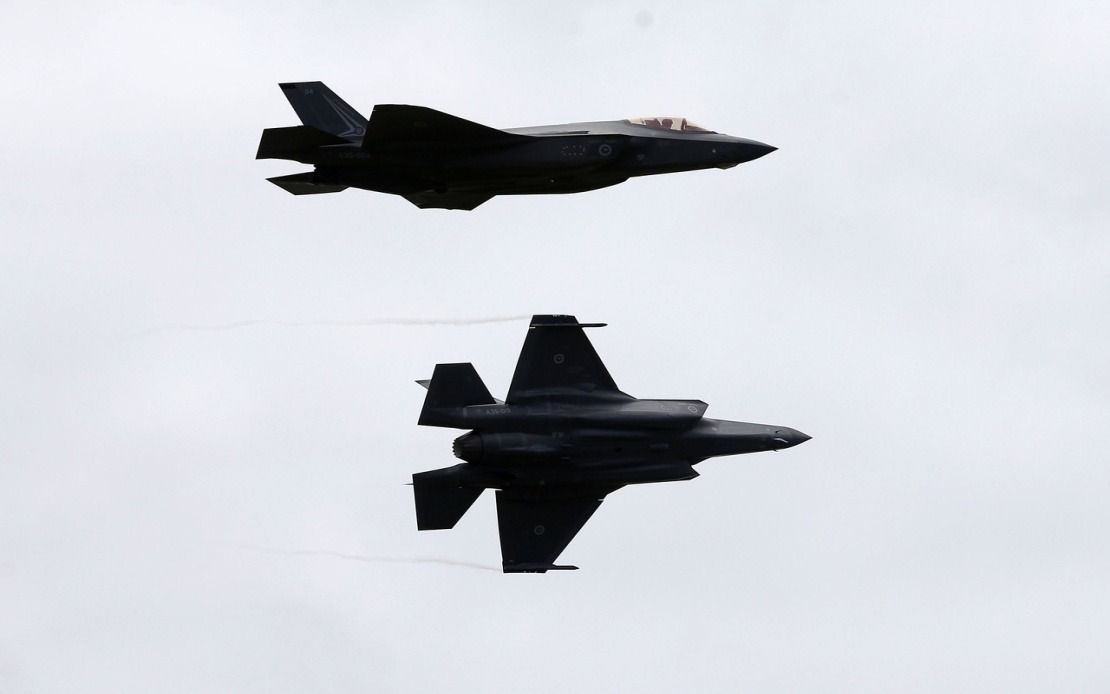
Service entry in 2035 represents an ambitious but realistic timeline for such a complex programme. By that date, current-generation platforms including the Typhoon and F-35 will have served allied air forces for several decades. The new GCAP aircraft is explicitly designed to complement rather than replace these existing systems, forming an integrated fleet architecture where different aircraft types fulfill different roles. This layered capability approach—combining legacy platforms, mature systems and next-generation aircraft—provides operational flexibility and hedges against technological surprise.
The aircraft will leverage transformative technologies that barely existed during the development of current-generation fighters. Advanced digital engineering techniques will optimise every design element, while artificial intelligence systems will enhance pilot decision-making, autonomous escort drones and mission planning. Stealth characteristics, achieved through materials, shaping and active cancellation technologies, will make the platform difficult to detect. These capabilities represent a generational leap beyond what contemporary fighters can deliver.
For the three participating nations, this programme carries distinct strategic significance. Britain seeks to maintain independence in cutting-edge defence technology while strengthening ties with major Pacific allies. Italy pursues technological advancement and industrial prominence within European defence initiatives. Japan's participation reflects its intensifying defence modernisation amid regional security challenges and its expanding security partnerships beyond traditional frameworks. Each nation gains access to leading-edge technology development while sharing enormous development costs that no single country could comfortably bear.
The defence landscape in the Indo-Pacific region, where Japan operates and where security competitions are intensifying, adds particular importance to this initiative. Advanced fighter capabilities provide deterrence value and reassurance to regional partners concerned about shifting balances of power. Japanese participation signals that Tokyo is positioned alongside Western technological leaders, reinforcing its security partnerships and technological relationships with democratic allies.
For Malaysia and Southeast Asian nations monitoring regional defence developments, this trilateral commitment illustrates how technologically advanced democracies are consolidating their military capabilities through deeper integration. The programme demonstrates substantial confidence in long-term allied relationships and shared security interests. It also underscores the technological gap between countries with access to cutting-edge defence development partnerships and those relying on procurement from existing inventories. For Southeast Asian nations balancing great power relationships, observing such programmes provides insights into the technological trajectories of potential security partners and the military capabilities likely to dominate regional airspace within the next decade.
The contract announcement also reflects confidence in the stability of these trilateral relationships despite geopolitical uncertainties. Major defence programmes spanning 10 years or longer require political stability, sustained funding commitments, and durable intergovernmental trust. That three sophisticated democracies with sometimes-divergent strategic interests have committed to this venture suggests they view their alliance relationships as enduring and their collective security interests as sufficiently aligned to justify such ambitious undertakings. This decision carries implications extending far beyond aviation engineering, signalling broader patterns of Western alliance consolidation and technological cooperation that will shape regional security dynamics for decades.
Moving forward, the critical test lies in translating this substantial financial commitment into a deliverable aircraft that meets the ambitious technical requirements while respecting the timeline and budget constraints that inevitably emerge during development. The partnership structure, while offering clear advantages in cost-sharing and industrial participation, also introduces complexity in managing three separate defence ministries, multiple contractors and divergent national requirements. Nevertheless, the announcement of this substantial contract represents genuine confidence that such challenges can be successfully navigated.

