%22%2F%3E%3C%2Fpattern%3E%3C%2Fdefs%3E%3Crect%20width%3D%22100%25%22%20height%3D%22100%25%22%20fill%3D%22url(%23ph31wd2g)%22%2F%3E%3Crect%20width%3D%22100%25%22%20height%3D%22100%25%22%20fill%3D%22url(%23ph31wd2p)%22%2F%3E%3Ctext%20x%3D%2250%25%22%20y%3D%2250%25%22%20text-anchor%3D%22middle%22%20dominant-baseline%3D%22central%22%20fill%3D%22rgba(255%2C255%2C255%2C0.95)%22%20font-family%3D%22Georgia%2C%20'Times%20New%20Roman'%2C%20serif%22%20font-weight%3D%22700%22%20font-size%3D%22194%22%20letter-spacing%3D%22-0.02em%22%3ESpeaker%3C%2Ftext%3E%3C%2Fsvg%3E)
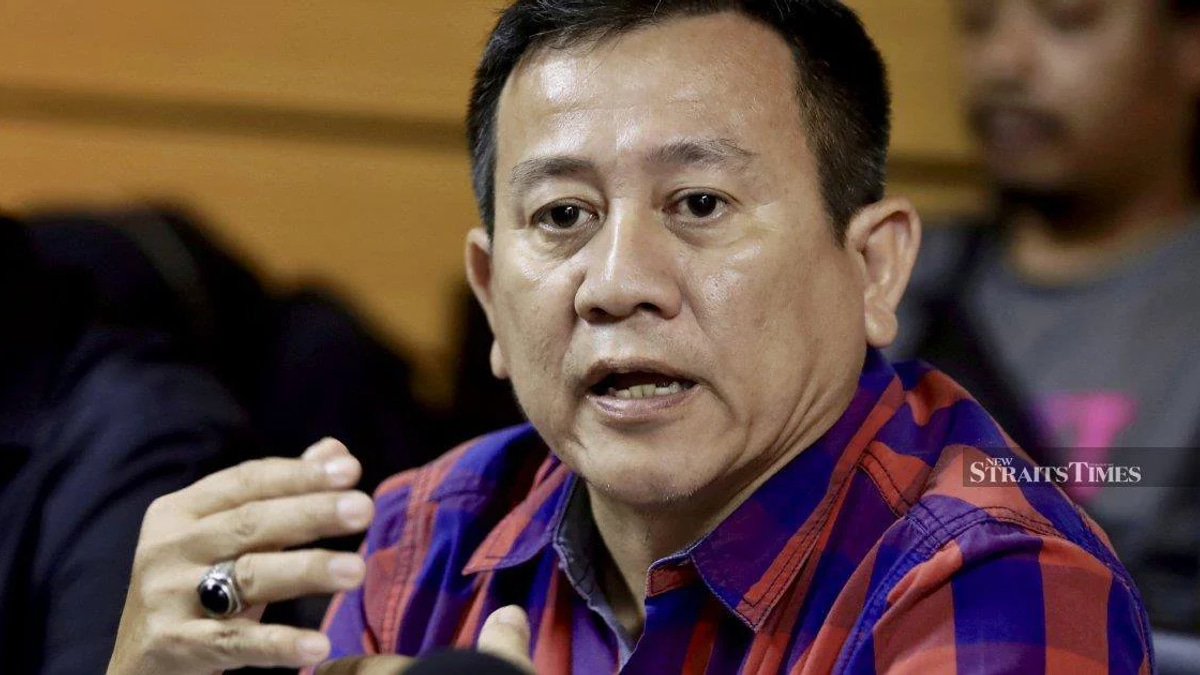
Dewan Rakyat Speaker Tan Sri Dr Johari Abdul has officially confirmed receipt of notification regarding Larut MP Datuk Seri Hamzah Zainudin's assumption of the opposition leader role, bringing formal clarity to a significant shift in Malaysia's parliamentary opposition structure. The confirmation comes as Parliament prepares for its next session beginning June 22, which will see multiple adjustments to the physical layout of the lower house reflecting recent political movements.
The speaker's acknowledgement of Hamzah's opposition leadership follows announcement by PAS president Tan Sri Abdul Hadi Awang during the Reset Malaysia Convention that the Perikatan Nasional-aligned politician had resumed his duties in this capacity. This development signals a consolidation of opposition ranks under the Perikatan banner, with Hamzah anchoring the opposition front bench alongside Kemaman MP and Perikatan Nasional chairman Datuk Seri Dr Ahmad Samsuri Mokhtar. The arrangement underscores the evolution of Malaysia's opposition structure as political coalitions continue to reconfigure following the 2022 general election.
Parliament's updated seating arrangement reflects more than ceremonial repositioning—it represents institutional recognition of shifting political alignments. The official Dewan Rakyat seating plan, updated as of June 19, now formally designates Hamzah's position on the opposition benches, providing constitutional formality to what had been an emerging reality in Malaysian politics. Opposition front benches hold symbolic and practical significance in Westminster-style parliaments, offering the official opposition greater visibility and speaking privileges during debates.
Notably, the seating modifications extend beyond the opposition benches. Pagoh MP and Bersatu president Tan Sri Muhyiddin Yassin has been reassigned to Block E of the Dewan Rakyat following his personal request to the speaker. While parliamentary records do not typically detail the reasoning behind individual seating requests, such moves often reflect either a legislator's preference for proximity to particular colleagues or parliamentary business areas, or occasionally signal shifting dynamics within coalition arrangements. Muhyiddin's relocation represents a visible change in his parliamentary positioning as Bersatu navigates its role within the broader political landscape.
The broader seating modifications scheduled to take effect when Parliament reconvenes are part of routine parliamentary management, though the timing and nature of these changes carry political resonance. The Dewan Rakyat regularly adjusts member positions to accommodate new alignments, retirements, and constituency changes, but shifts involving senior political figures such as Muhyiddin and Hamzah draw heightened attention from political observers and the media. These arrangements, while appearing administrative, often reflect and reinforce the actual power structures operating within the chamber.
Hamzah's confirmed status as opposition leader carries implications for parliamentary dynamics and opposition strategy moving forward. The opposition leader holds formal parliamentary responsibility for leading questioning of government policy, proposing alternative legislation, and articulating a counter-narrative to government positions. With Hamzah in this role and supported by Perikatan Nasional's parliamentary bloc, the opposition positioning becomes clearer heading into the Second Meeting of the Fifth Session of the 15th Parliament, which will run from June 22 through July 16.
The confirmation process itself demonstrates Parliament's institutional procedures for recognizing changes in opposition leadership. The speaker must formally receive and acknowledge notification of such status changes to integrate them into parliamentary records and seating arrangements. This procedural dimension ensures that constitutional conventions around the recognition of official opposition leadership remain formally observed, maintaining the institutional credibility of parliamentary democracy even as political coalitions shift.
For Malaysian observers and regional analysts watching domestic political developments, these seating arrangements and formal confirmations signal relative stability in the opposition's organizational structure following months of political uncertainty. The clarity around Hamzah's leadership and the visible accommodation of parliamentary adjustments suggest stakeholders across the political spectrum are settling into established roles and procedures for the remainder of the parliamentary term. This institutional settling may create space for more substantive parliamentary work on legislation and policy scrutiny.
The parliamentary session commencing in late June carries additional significance given Malaysia's political context. With general elections constitutionally due by mid-2023, every parliamentary session offers opportunities for opposition parties to build their legislative record and policy platform. Hamzah's formalized leadership of opposition benches positions Perikatan Nasional as the parliamentary focal point for anti-government messaging and alternative policy proposals. The opposition's parliamentary visibility and effectiveness during this session could materially influence political narratives heading toward the eventual general election campaign.