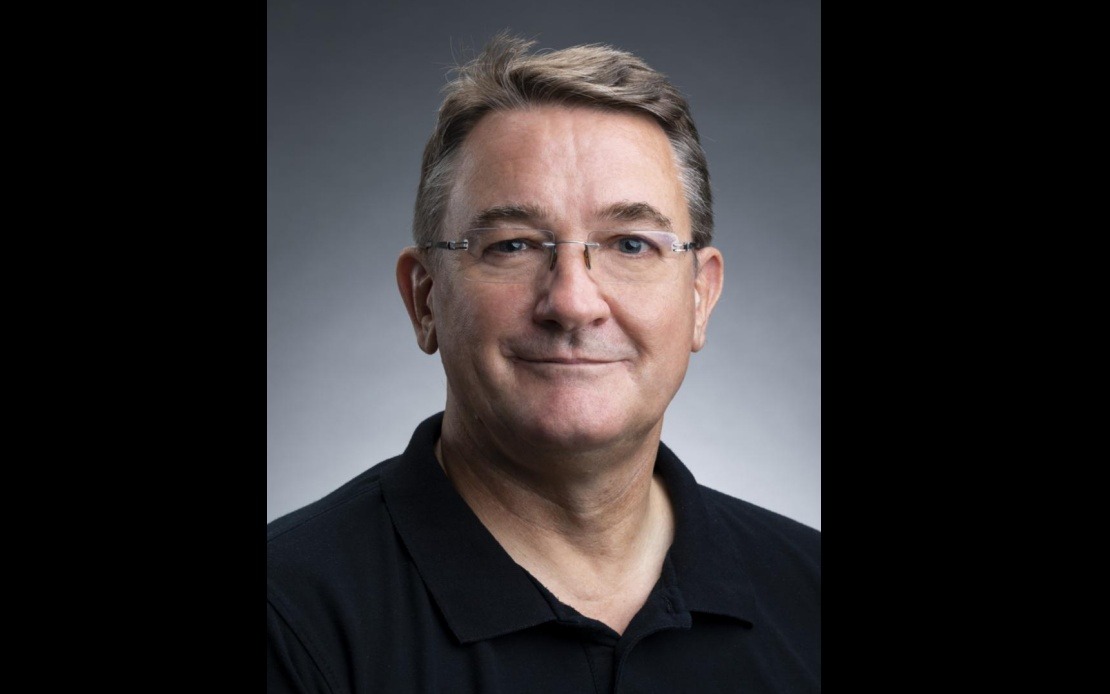
Dr David Lacey, a prominent figure in Malaysia's semiconductor sector and current chairman of the Semiconductor Fabrication Association of Malaysia (SFAM), has been appointed as Britain's new Honorary Consul in Penang, filling a vacancy left by the retirement of Datuk Robert Hawkins, who served in the position for two decades. The appointment marks a significant development in bilateral relations between the United Kingdom and Malaysia's northern states, with particular emphasis on technology and innovation partnerships.
Lacey's appointment comes at a time when Malaysia and Britain are deepening collaboration under a Strategic Partnership framework. British High Commissioner to Malaysia Ajay Sharma emphasised that the new consul would provide critical support to the high commission's regional engagement efforts, particularly in technology, digital infrastructure, and artificial intelligence sectors. This strategic positioning reflects the priority both nations place on these emerging industries as engines for future economic growth and competitiveness.
The 60-year-old Lacey brings substantial credentials to the role. As a semiconductor industry veteran with operational experience across Europe, the United States, and Malaysia, he has established himself as a bridge between international technology networks and local development initiatives. His background includes directing research and development teams tasked with commercialising innovative semiconductor products and technologies, making him well-positioned to understand the technical and commercial dynamics driving technology partnerships in the region.
Beyond his SFAM leadership, Lacey holds directorships in high-tech semiconductor operations based in Penang and serves as board member of the Collaborative Research in Engineering, Science and Technology (CREST), an organisation focused on advancing technological research capabilities. His advisory role with the Academy of Sciences Malaysia (ASM) further demonstrates the breadth of his engagement with Malaysia's science and technology ecosystem.
As honorary consul, Lacey assumes multifaceted responsibilities extending beyond traditional commercial promotion. The role encompasses fostering and strengthening political, academic, and commercial connections by maintaining active engagement with the Penang state government and the regional business community. This diplomatic function has become increasingly important as Malaysian states compete to attract technology investment and establish themselves as regional innovation hubs.
The consular position also carries significant pastoral and administrative duties. Lacey will manage consular services for British nationals in the region, including emergency assistance at hospitals and correctional facilities, coordinating support for families following the death of British citizens, and coordinating the United Kingdom's response during crises and humanitarian emergencies. These responsibilities, though often unnoticed by the general public, represent crucial support functions for expatriate communities.
Lacey's long-term commitment to Penang strengthens his suitability for the appointment. Having resided in the state since 2001, he has developed deep familiarity with local business practices, government structures, and cultural contexts that often elude shorter-term appointees. This extended residence allows him to draw on established relationships and networks while maintaining the local credibility necessary for effective diplomatic representation.
His educational credentials reflect both international standing and local recognition. Lacey holds a Doctor of Philosophy from the University of Sussex in the United Kingdom, providing him with advanced research training. In 2021, Universiti Sains Malaysia conferred upon him an Honorary Doctor of Science degree in recognition of his contributions to Malaysia's economic development. This dual recognition, from both Western and Malaysian institutions, underscores his perceived value to bilateral technological and economic cooperation.
The appointment arrives as Penang positions itself as a critical technology hub within Southeast Asia. The state's established semiconductor manufacturing base, coupled with emerging capabilities in digital infrastructure and artificial intelligence, aligns directly with Lacey's expertise and networks. His ability to facilitate technology transfer, attract research investments, and connect Malaysian innovators with international partners could yield tangible benefits for the state's development agenda.
Outgoing consul Datuk Robert Hawkins' 20-year tenure represents a significant period of bilateral engagement. Sharma's public acknowledgement of Hawkins' contributions reflects the importance Britain attaches to maintaining continuity in regional representation while also signalling that Lacey's different expertise and sectoral focus will advance the partnership in new directions.
The transition also reflects broader shifts in diplomatic priorities. Where previous consular representation may have emphasised traditional commercial sectors and traditional diplomacy, Lacey's appointment highlights growing British and Malaysian recognition that technology and innovation represent critical arenas for bilateral cooperation. This reorientation mirrors similar trends across Asia, where technology partnerships increasingly shape state-to-state relationships and foreign policy direction.
For Malaysian policymakers, particularly in Penang, the appointment offers an opportunity to leverage Lacey's international networks and credibility with British and global technology firms considering expansion into Southeast Asia. His insider position within both Malaysian and international semiconductor ecosystems positions him to identify collaboration opportunities that might otherwise remain invisible to conventional diplomatic channels. This potential for technology facilitation extends beyond commerce to include academic partnerships, research funding opportunities, and talent exchange programmes that could accelerate Penang's transformation into a globally competitive innovation centre.

