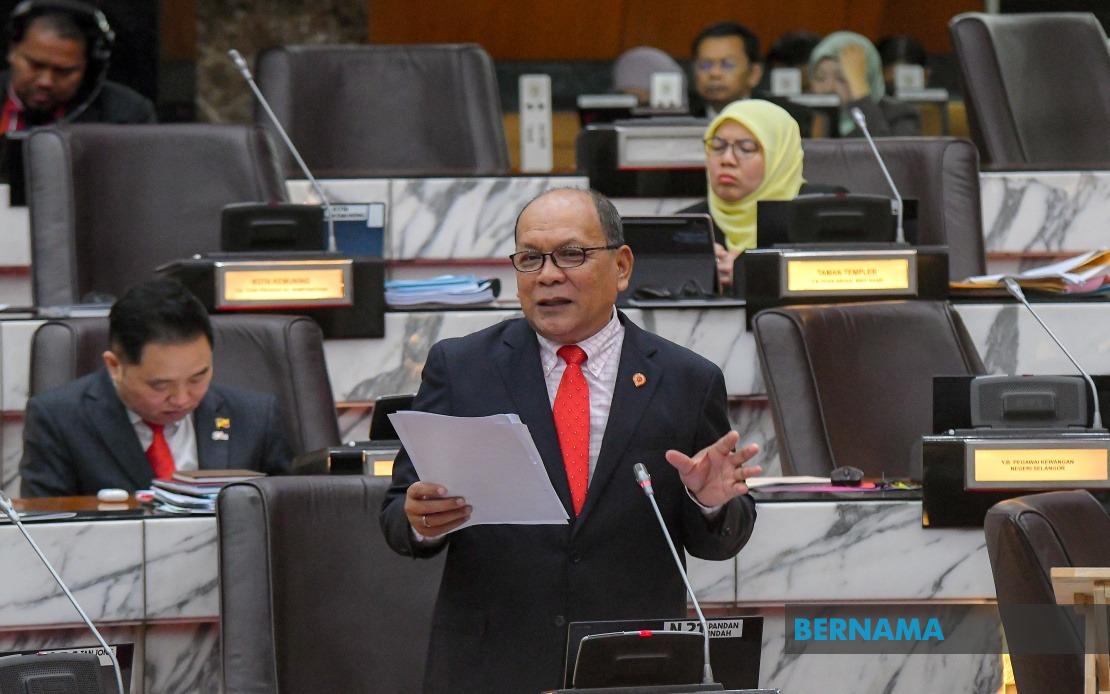
Selangor is grappling with a mounting crisis of vandalism and theft at critical pump house facilities, with state authorities estimating losses of up to RM400,000 in repair costs. The problem has emerged as a significant challenge to the state's flood management infrastructure, threatening the operational readiness of systems designed to protect residential and commercial areas from seasonal flooding. During the State Legislative Assembly sitting, the issue came into sharp focus as officials acknowledged the scope of damage and outlined initial responses to stem the losses.
Datuk Izham Hashim, chairman of the Selangor Infrastructure and Agriculture Committee, confirmed that rising incidents of criminal activity at these facilities have compromised flood control operations across the state. Beyond the immediate financial burden, the vandalism and theft have created operational vulnerabilities that could delay emergency response capabilities during heavy rainfall events. This dual impact—both financial and operational—underscores the urgency of the situation for a state historically vulnerable to flash flooding and water-related disasters.
The state government has already begun coordinating with law enforcement to address the problem. Datuk Izham disclosed that senior officials have engaged with the Selangor police chief to develop an enforcement strategy tailored to protecting these installations. This inter-agency collaboration represents a recognition that vandalism at critical infrastructure requires a coordinated response involving both preventive security measures and active police patrols.
To mitigate further losses, the state has issued directives to the Drainage and Irrigation Department and the Public Works Department to enhance security protocols immediately. The installation of closed-circuit television systems at pump houses forms the cornerstone of this preventive approach, enabling real-time monitoring and creating a deterrent effect against potential offenders. These technical upgrades represent a shift toward technology-driven security solutions at vulnerable installations.
Beyond CCTV deployment, authorities are exploring additional security measures to address the multifaceted nature of the threat. Physical barriers, enhanced lighting, and increased on-site presence are among the complementary strategies under consideration. The comprehensive approach reflects acknowledgment that no single security measure can entirely eliminate the risk, and that layered defenses are necessary to protect state assets effectively.
The issue gained legislative attention when Jefri Mejan from PN-Ijok raised concerns about vandalism and theft's direct connection to prolonged flooding incidents. His supplementary question highlighted the downstream consequences of pump house damage—compromised flood control capacity translates directly into extended flood duration for affected communities. This connection between infrastructure security and public welfare demonstrates why this seemingly technical issue carries significant implications for ordinary Selangor residents.
Selangor's vulnerability to flooding, combined with rapid urbanization in recent decades, has made pump houses increasingly critical to the state's disaster management framework. These facilities form part of a broader integrated system designed to manage excess water during monsoon seasons and heavy downpours. When vandalized or non-operational due to theft, entire drainage networks lose effectiveness, potentially affecting hundreds of thousands of residents across multiple districts.
The RM400,000 figure represents only quantified repair costs and does not account for indirect expenses such as emergency response deployment, temporary alternative pumping arrangements, or economic losses to businesses and residents affected by prolonged flooding. The true fiscal impact likely exceeds official estimates when these secondary costs are factored in.
For Malaysian and Southeast Asian readers, Selangor's experience reflects a broader pattern affecting rapidly developing urban centers across the region. As cities expand and aging infrastructure requires increasing maintenance investment, securing critical facilities against vandalism and organized theft has become an essential governance challenge. Selangor's policy response—combining technology, enforcement, and inter-agency coordination—offers a template other states may consider for their own infrastructure protection strategies.
The situation also highlights vulnerabilities in Malaysia's critical infrastructure ecosystem. Unlike major utilities that maintain private security forces, pump houses and drainage facilities often operate with minimal on-site presence, making them attractive targets for scrap metal thieves and vandals. Addressing this security gap requires sustained resource allocation and political commitment from state authorities.
Looking ahead, the success of Selangor's enhanced security measures will depend on consistent implementation and adequate funding allocation. Initial CCTV installations must be followed by proper maintenance, monitoring protocols, and responsive enforcement when breaches are detected. Without these follow-up commitments, security infrastructure investments risk becoming ineffective.
The state government's engagement with police and security agencies signals recognition that this challenge transcends traditional administrative boundaries. Flood management, law enforcement, and public safety converge at vulnerable pump house facilities, requiring coordinated governance approaches that historically have been fragmented across different agencies.

