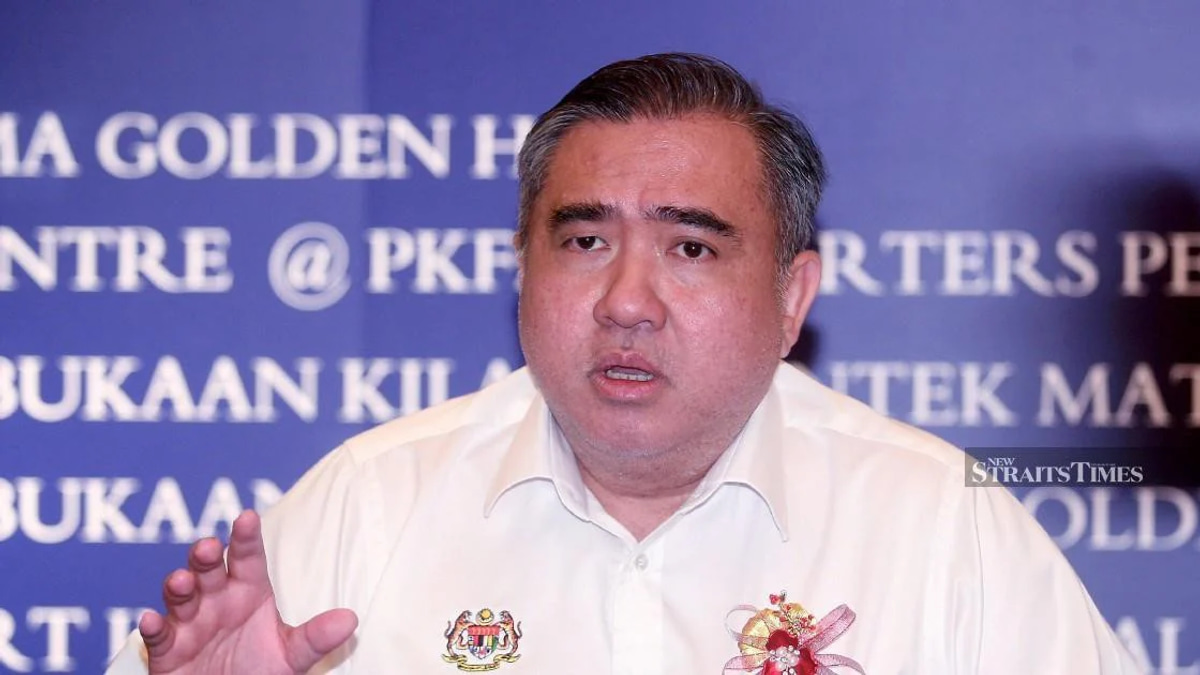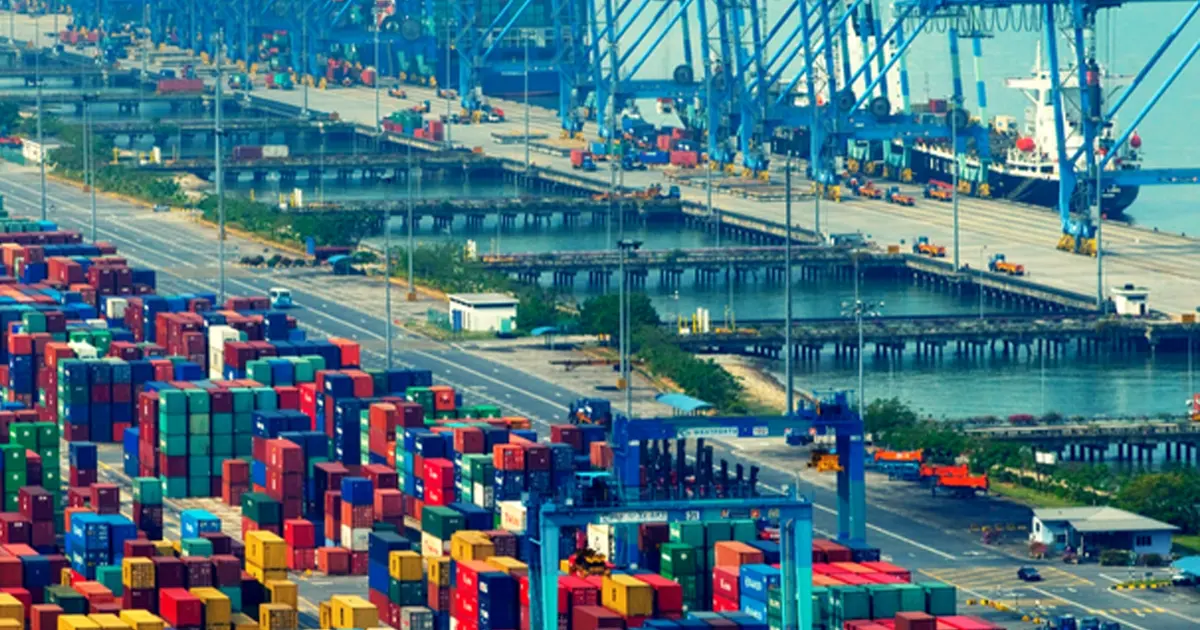
The Port Klang Free Zone has demonstrated substantial financial recovery, posting RM108 million in revenue while advancing its operational reactivation initiatives to 86% completion. Transport Minister Loke Siew Fook highlighted these developments as evidence of the facility's steady and encouraging trajectory over the past 18 months, marking a significant turnaround for one of Malaysia's strategic maritime assets.
The financial performance represents a meaningful recovery for a port facility that had faced considerable operational and reputational challenges in preceding years. The revenue generation, coupled with the high reactivation rate, suggests that management interventions and restructuring efforts have begun yielding tangible results. This progress holds particular importance given the PKFZ's role in Malaysia's broader port and logistics infrastructure, which underpins regional trade flows and manufacturing competitiveness.
The reactivation programme encompasses multiple operational dimensions, from infrastructure refurbishment to tenant recruitment and service restoration. Achieving 86% completion indicates that the facility has successfully navigated the most critical phases of its recovery, with relatively few remaining bottlenecks. The pace of this progress suggests that full operational normalcy may be achieved within a foreseeable timeframe, potentially within the current calendar year or shortly thereafter.
For Malaysian businesses dependent on port facilities, the PKFZ's recovery carries direct implications. A fully functional, competitive port reduces logistics costs and improves supply chain efficiency, ultimately enhancing the cost structure for manufacturers and traders relying on maritime transport. Port Klang's strategic location within the Klang Valley—Malaysia's economic heartland—amplifies the importance of this recovery to the broader business ecosystem.
The steady revenue generation alongside operational recovery suggests that the facility has begun attracting renewed tenant interest and cargo activity. This dual momentum indicates that confidence in the port's viability has stabilised, encouraging stakeholders to commit to longer-term partnerships and operational commitments. The RM108 million figure, while requiring contextualisation within the port's total capacity, demonstrates that revenue-generating activities have achieved sufficient scale to sustain ongoing operations and reinvestment.
Regionally, the PKFZ's recovery aligns with broader Southeast Asian port infrastructure competition. Singapore's Jurong Port and Port Klang both compete for transshipment and storage business from manufacturers across the region. A revitalised PKFZ strengthens Malaysia's competitive positioning and potentially captures market share that might otherwise migrate to competing facilities. The free zone model itself—offering customs exemptions and preferential regulatory treatment—remains attractive to logistics operators and manufacturers seeking cost-efficient regional distribution hubs.
The 18-month timeframe cited by the transport minister provides useful context for evaluating the recovery's pace. This relatively compressed timeline for achieving both financial returns and operational reactivation suggests effective management execution and possibly favourable market conditions. However, sustaining this momentum will require continued attention to operational efficiency, competitive pricing, and service quality that distinguishes PKFZ from regional alternatives.
Looking forward, the critical question for stakeholders involves whether the recovery can accelerate beyond the current 86% benchmark. The remaining 14% of reactivation work may encompass either straightforward completion items or more complex operational challenges that could impact the timeline for full functionality. Transport Minister Loke's public endorsement suggests confidence in timely resolution, though external factors such as global trade conditions and shipping demand remain beyond direct control.
The PKFZ's recovery also reflects broader Malaysian government commitment to rehabilitating critical infrastructure assets. This focus on operational excellence and financial viability in state-linked entities sets expectations for similar facilities and enterprises operating under government oversight. The apparent success of management interventions at Port Klang may serve as a template for addressing performance issues elsewhere in the port and maritime sector.
For companies engaged in import-export operations, particularly those in the Klang Valley region, sustained access to a well-functioning, cost-competitive port facility represents significant operational value. The PKFZ's reactivation reduces dependency on alternative ports such as Port Tanjung Pelepas or Penang Port for certain cargo categories, potentially lowering overall logistics expenses and transit times. This benefit compounds across supply chains, particularly for time-sensitive manufacturing sectors.
The revenue figures also provide a baseline against which future performance can be measured. As reactivation approaches completion, stakeholders will expect accelerating revenue growth reflecting expanded operational capacity and tenant activity. The trajectory from RM108 million and 86% reactivation towards projected full capacity performance will serve as a key indicator of whether the recovery has achieved sustainable momentum or requires further corrective intervention.
Ultimately, the PKFZ's progress reflects the critical importance of port infrastructure to Malaysia's trade-dependent economy. A functioning, efficient free zone facility supports competitiveness across multiple sectors while generating revenue that sustains operations and allows reinvestment in service improvements. The transport minister's positive assessment, grounded in concrete financial and operational metrics, suggests that stakeholder confidence in the facility's recovery has substantive foundation. As reactivation nears completion, sustained operational excellence will determine whether the PKFZ can consolidate these gains and fulfil its strategic role in Malaysia's maritime and logistics ecosystem.