
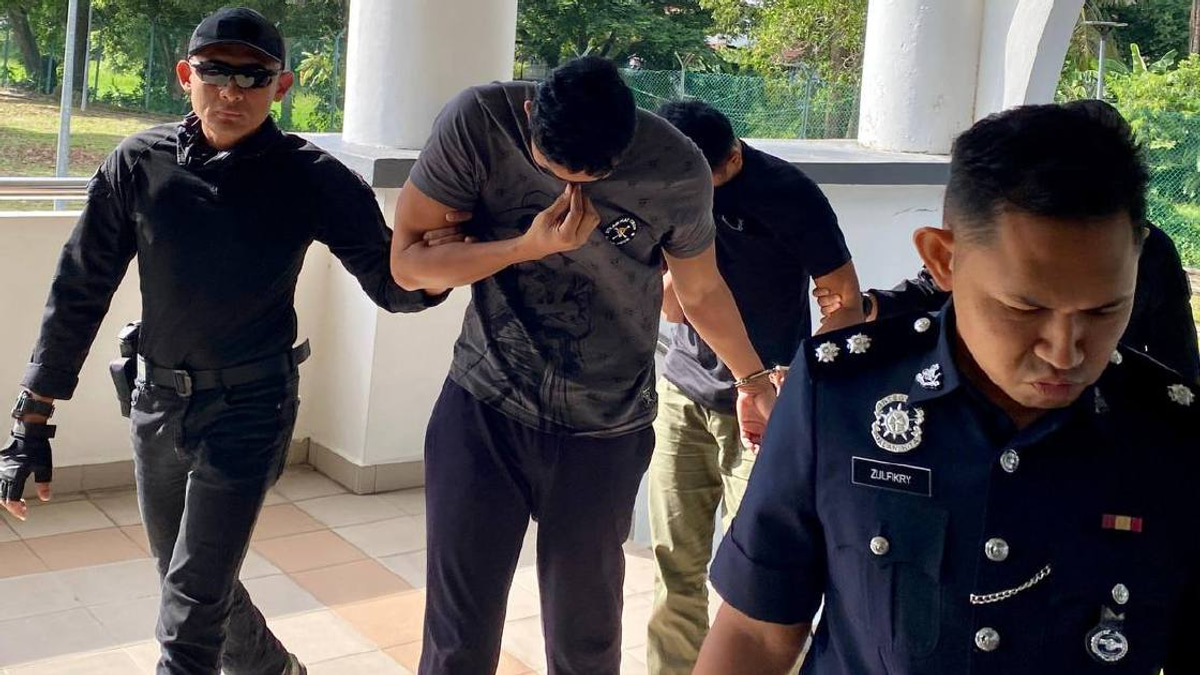
A law enforcement officer stationed in Kota Baru has contested allegations of drug possession, entering a not guilty plea when the case proceeded before magistrates in the Kelantan state capital. The corporal faces accusations relating to methamphetamine discovered within the judicial facility's holding area, intensifying scrutiny of security measures at the court complex.
The substance in question, weighing 19.8 grams, was recovered from the lock-up section of the Kota Baru courts complex during the preceding week. The discovery represents a significant incident given the location—a secure facility where custody and containment procedures are meant to be strictly enforced. The circumstances surrounding how controlled substances entered a supposedly secure judicial holding area have not been fully detailed in court proceedings.
Incidents involving law enforcement officers accused of drug-related offences carry particular weight in Malaysia, where the country maintains among Asia's strictest narcotics legislation. The Royal Malaysia Police have periodically faced internal integrity challenges, and prosecutions against serving officers draw considerable public attention. This case underscores ongoing concerns about professional standards and compliance within the force, particularly in relation to narcotic substances that attract mandatory minimum penalties under Malaysian law.
The magistrate's court in Kota Baru serves as a crucial judicial hub for Kelantan, handling numerous cases daily across criminal, civil, and administrative matters. The presence of illicit drugs within its secure facilities compromises the integrity of the judicial process and raises fundamental questions about perimeter control and staff vetting procedures. Court complexes across Malaysia maintain specific protocols for lock-up areas to ensure contraband cannot enter, making this discovery emblematic of potential security vulnerabilities.
Methamphetamine has emerged as a persistent challenge for Malaysian law enforcement agencies, with regional drug trafficking networks consistently attempting to move the substance across borders and through urban centres. The drug remains highly sought after in Southeast Asia, commanding significant street value and driving organised criminal activity throughout the region. Local authorities have regularly launched operations targeting methamphetamine distribution networks, making individual drug possession charges part of a broader enforcement strategy.
The not guilty plea signals that the defence intends to contest either the evidence against the accused officer or the circumstances of the alleged possession. Malaysian legal procedure provides accused persons the right to challenge prosecution evidence, and the magistrate will need to examine whether the prosecution can establish guilt beyond reasonable doubt. The corporal's legal representation will likely explore questions about evidence handling, chain of custody documentation, and the precise location where the substance was recovered.
For the Royal Malaysia Police, incidents involving serving officers and narcotics carry implications beyond the individual case. Public confidence in law enforcement depends substantially on the integrity of personnel, and high-profile prosecutions of officers can either demonstrate institutional accountability or suggest systemic problems requiring intervention. Police leadership has periodically emphasised internal disciplinary mechanisms and vetting procedures, yet occasional cases suggest that screening processes require continuous refinement.
The Kota Baru courts complex serves the Kelantan judicial system, which handles cases ranging from traffic offences to serious criminal matters. Security protocols at such facilities typically involve multiple checkpoints, staff screening, and restricted access to holding areas. The discovery of illicit substances will likely trigger a review of existing procedures, potentially including additional staff training, enhanced bag checks, or revised visitor management protocols.
This case also intersects with broader regulatory challenges facing Malaysia's courts system. Judicial facilities nationwide manage holding areas where accused persons and remanded detainees are temporarily housed pending trial or sentencing. Maintaining security in these spaces requires constant vigilance, as contraband—whether drugs, weapons, or communication devices—can compromise investigations and judicial proceedings. Court administrators will face pressure to demonstrate that security measures are adequate and consistently applied.
The prosecution will need to present forensic evidence linking the methamphetamine to the accused officer and establish when and how it came to be in the lock-up. Toxicology reports, fingerprint analysis, surveillance footage, and witness testimony will likely feature prominently. The defence may seek to challenge the reliability or interpretation of such evidence, particularly given the sensitivity of allegations against serving law enforcement personnel.
For Malaysian drug policy observers, this case reflects ongoing tensions between enforcement objectives and the need for systemic integrity. Malaysia's drug laws emphasise severe penalties and mandatory sentences, reflecting the government's zero-tolerance stance toward narcotics trafficking and possession. However, effective enforcement depends ultimately on the professionalism and trustworthiness of personnel operating within the system. Cases suggesting that officers themselves may be involved in drug-related offences undermine public confidence in these enforcement mechanisms.
The court proceedings will determine whether the corporal bears responsibility for the methamphetamine found in the lock-up. The outcome carries implications not only for the individual accused but also for institutional procedures governing court security and staff integrity. Malaysian observers will watch closely as the case unfolds, particularly given the symbolic importance of judicial facilities as bastions of legal authority and institutional integrity within the broader justice system.

%22%2F%3E%3C%2Fpattern%3E%3C%2Fdefs%3E%3Crect%20width%3D%22100%25%22%20height%3D%22100%25%22%20fill%3D%22url(%23ph2gxagg)%22%2F%3E%3Crect%20width%3D%22100%25%22%20height%3D%22100%25%22%20fill%3D%22url(%23ph2gxagp)%22%2F%3E%3Ctext%20x%3D%2250%25%22%20y%3D%2250%25%22%20text-anchor%3D%22middle%22%20dominant-baseline%3D%22central%22%20fill%3D%22rgba(255%2C255%2C255%2C0.95)%22%20font-family%3D%22Georgia%2C%20'Times%20New%20Roman'%2C%20serif%22%20font-weight%3D%22700%22%20font-size%3D%22320%22%20letter-spacing%3D%22-0.02em%22%3ETwo%3C%2Ftext%3E%3C%2Fsvg%3E)