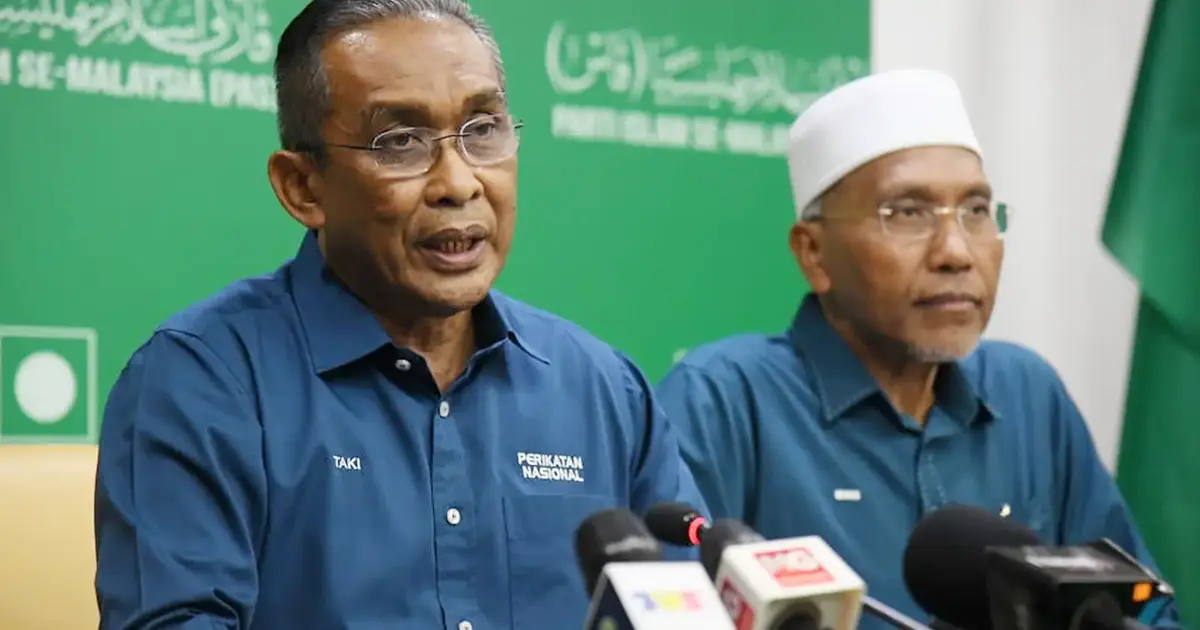
Perikatan Nasional's governance framework has been tightened following clarification from the coalition's secretary-general that no meetings or events can proceed without formal authorization from the chairman. The statement emerged amid reports that Bersatu president Muhyiddin Yassin sought to convene a PN Supreme Council gathering, underscoring internal tensions within Malaysia's third-largest political coalition at a time when coalition unity remains crucial for political stability.
The secretary-general's pronouncement represents a significant assertion of hierarchical control within the PN structure, establishing a centralized approval mechanism that filters all organizational activities through the chairman's office. This procedural requirement effectively consolidates decision-making power at the apex of the coalition, preventing individual component parties or senior leaders from unilaterally initiating high-level meetings. For observers monitoring Malaysian political dynamics, the move signals that PN leadership is determined to prevent autonomous power plays that could fragment the coalition's cohesion during a sensitive period of government formation and policy alignment.
Muhyiddin Yassin, as Bersatu's leader and a significant figure within PN, represents the coalition's strongest individual power center outside the formal chairmanship structure. His reported attempt to convene the Supreme Council—the coalition's highest decision-making body—without prior approval suggests underlying disputes about authority and direction within the alliance. Such friction between component party presidents and coalition-level leadership is common in multi-party formations, but when left unmanaged, can escalate into public confrontations that undermine credibility and negotiating strength.
The timing of this governance clarification carries particular weight given PN's evolving role in Malaysian politics. Having competed in the 2023 general election and subsequently participated in post-election coalition negotiations, the partnership remains relatively young and still establishing operational norms. Perikatan Nasional comprises Bersatu, PAS (Parti Islam Se-Malaysia), and smaller parties, each bringing distinct organizational cultures and political interests. Without clear procedural boundaries, the coalition risks becoming a venue for competitive positioning rather than coordinated action.
For Malaysian political observers, this development illustrates the structural challenges that multi-party coalitions face when balancing autonomy of component parties with coalition-wide discipline. Individual parties understandably wish to protect their institutional prerogatives and leader influence, yet coalitions require sufficient centralization to function effectively in electoral competition and legislative cooperation. The tension between these competing impulses generates periodic friction that, while normal, must be managed carefully to preserve voter confidence and intra-coalition relationships.
The requirement for chairman authorization also reflects lessons learned from Malaysian political history. Previous coalitions, including Barisan Nasional in its later years, experienced erosion when component parties perceived themselves as subordinate or marginalized within broader structures. By formalizing approval procedures, the PN leadership arguably seeks to create transparency and prevent accusations of unilateral domination. However, the opposite interpretation—that centralized control prevents legitimate expressions of party interests—remains equally valid, potentially creating resentment among Bersatu and other component parties if they perceive the mechanism as constraining their influence.
PAS, as the coalition's largest component by parliamentary representation and electoral performance, holds particular interest in how these governance rules are applied. The party commands significant autonomy within PN negotiations and expects its interests to receive proportionate consideration. If chairman-level approval processes become tools for marginalization of any component party, grievances could surface that destabilize the entire alliance. Managing PAS expectations while maintaining coalition discipline represents a critical challenge for PN leadership in coming months.
The secretary-general's statement carries implications for regional political dynamics as well. Southeast Asian coalitions often struggle with legitimacy and durability when internal processes appear opaque or leader-driven rather than institutionally grounded. By publicizing clear procedural requirements, PN attempts to project organizational maturity, though critics may view the move as defensive rather than preemptive governance reform. How effectively PN leadership implements and consistently applies these protocols will significantly influence perceptions of the coalition's institutional health.
Looking forward, this governance clarification establishes ground rules that must be tested through practice. The Malaysian political system benefits when coalitions demonstrate internal mechanisms for managing disputes and preventing unilateral power moves, as such discipline contributes to broader democratic stability. However, if PN's new procedures become instruments of faction control or majority party dominance, they may generate long-term instability that eventually undermines the coalition's political viability. The coming months will reveal whether these rules function as shared governance guardrails or merely as structural expressions of underlying power imbalances.