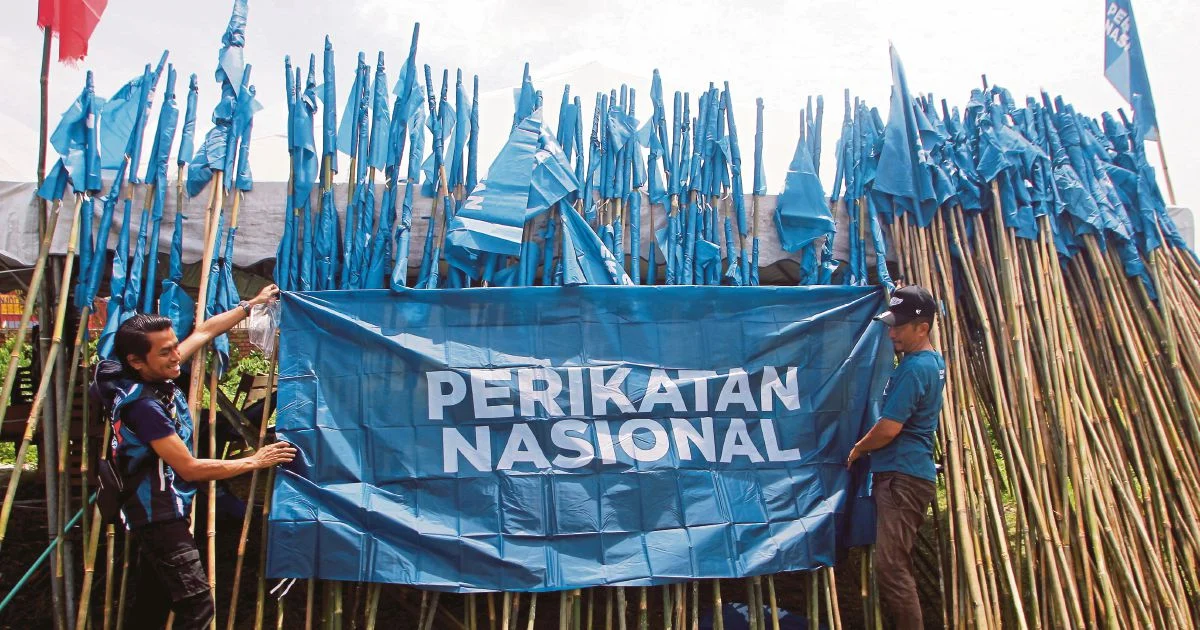
The Perikatan Nasional coalition is preparing for a critical leadership gathering on June 22 in Kota Baru as senior party officials converge to tackle a mounting list of contentious internal matters. At the centre of the assembly sits an increasingly contentious debate over the coalition's visual identity and brand positioning—specifically questions regarding which member parties retain rights to deploy the PN logo in their electioneering efforts. The convening of the Supreme Council underscores how procedural governance questions have become flashpoints within the bloc, reflecting deeper structural tensions between coalition members.
The logo dispute represents far more than symbolic disagreement. In Malaysian electoral politics, coalition branding carries substantial weight, influencing voter perception and campaign coherence. When multiple parties within an alliance claim or contest logo usage rights, it signals fractured internal discipline and raises questions about the coalition's capacity to present unified messaging to the electorate. For the Perikatan Nasional, which has positioned itself as a significant opposition force and potential government alternative, such visibility of internal discord may undermine its credibility as a cohesive political force capable of alternative governance.
Equally significant among the June 22 agenda is the matter of candidate endorsements across pending electoral contests. Coalition partners must determine how they will jointly—or separately—back candidates in constituencies where multiple PN member parties might otherwise field competing nominees. This allocation of electoral territory traditionally involves complex negotiations reflecting each party's organisational strength, historical performance in specific regions, and internal political balances. The fact that these endorsements remain unresolved suggests the coalition has not yet achieved consensus on how to distribute electoral opportunities among its constituent parts.
The timing of this Supreme Council session carries particular significance for Malaysian political observers. Electoral cycles in the country operate on multiple levels simultaneously—federal parliamentary elections, state assembly contests, and local government polls often occur in staggered sequences. The failure to resolve branding and candidate questions before the June 22 meeting indicates that some electoral contests may be imminent, creating time pressure that could force hurried compromises. Such rushed settlements frequently generate resentment among losing parties and candidates, potentially sowing discord that persists well beyond a single electoral cycle.
The Perikatan Nasional coalition itself remains relatively young in Malaysian political terms. Formed from the merger of PAS, BERSATU, and other parties, the bloc has been navigating the permanent challenge of maintaining unity while preserving each member's distinct organisational identity and policy emphasis. Regional variations complicate matters further; what functions effectively as a unified front in Kelantan or Terengganu may require different structural arrangements in Sabah or Sarawak, where local political dynamics and coalition configurations differ substantially.
For Malaysian voters and political analysts, these internal negotiations matter considerably. Divisions within opposition coalitions can fragment vote-splitting opportunities and inadvertently advantage ruling coalitions. Conversely, opposition unity increases pressure on government formations and expands the political space for alternative policy narratives. The health and functionality of the Perikatan Nasional therefore carries implications extending beyond its member parties to the broader competitive dynamics shaping Malaysia's political landscape.
The specific location of the meeting—Kota Baru, capital of Kelantan—itself merits consideration. Kelantan represents a PAS stronghold and has been under that party's governance for extended periods. Selecting the state for this Supreme Council session may signal PAS's significant influence within the coalition hierarchy, though it could alternatively serve the practical purpose of convening in a location where major PN figures maintain established bases and support infrastructure.
These internal management challenges facing Perikatan Nasional mirror difficulties experienced by most multi-party coalitions globally. Maintaining unity while accommodating distinct organisational interests, managing asymmetric power distributions among member parties, and establishing transparent procedures for resource allocation rank among the perpetual tests of coalition governance. The Perikatan Nasional's handling of these challenges will demonstrate whether the bloc possesses the institutional maturity and procedural sophistication necessary for sustained political credibility.
Looking ahead, the outcomes of the June 22 meeting will likely determine whether Perikatan Nasional can present a consolidated electoral front or whether internal divisions will manifest publicly through competing nominations and conflicting messaging. For Malaysia's opposition ecosystem and broader democratic competition, the coalition's capacity to resolve these governance questions efficiently will substantially influence the political landscape's shape and dynamism in coming electoral contests.