India's medical education system is in turmoil as more than 2 million aspiring doctors prepare to sit one of the country's most gruelling examinations for a second time, a situation entirely beyond their control. The National Eligibility cum Entrance Test, scheduled for Sunday, June 21, was originally held on May 3, but Indian authorities made the extraordinary decision to invalidate all results after social media allegations emerged that the examination questions had been compromised and circulated in advance. For students who have already invested years of preparation and considerable personal resources, the prospect of retaking such a high-stakes test represents a fresh ordeal compounded by anxiety and frustration.
The competitive intensity of India's medical entrance examination cannot be overstated. Only between 5 and 6 per cent of candidates nationwide manage to secure seats at accredited medical colleges, making this a pivotal moment in the careers of millions. The examination serves as the sole gateway to formal medical education across India's institutional framework, leaving no room for alternative pathways. The nullification of the May results means that hundreds of thousands of students who performed well face the psychological challenge of repeating their effort, whilst others who underperformed must tackle the same content again with heightened pressure. For a 20-year-old student like Alima Javed from Srinagar, the emotional toll is palpable. She articulated the frustration that resonates across the student community: years of demanding preparation, sacrifice, and focus have been rendered meaningless by an institutional failure beyond any individual's influence.
The scandal has catalysed a wave of civil unrest that has become increasingly difficult for the Indian government to contain. Student demonstrations have erupted across New Delhi and numerous other cities, with hundreds of participants turning out at each protest venue. What began as an examination controversy has evolved into a broader political liability for Prime Minister Narendra Modi's administration, as the incident raises questions about institutional governance, examination security, and the government's capacity to manage critical educational infrastructure. The protests reflect not merely frustration with a single examination, but deeper concerns about systemic reliability and the protection of student interests within India's competitive education ecosystem.
The human consequences of the examination cancellation have allegedly extended into tragic territory. Various media outlets and opposition politicians have claimed that the debacle has contributed to student suicides, though independent verification of such claims remains challenging given the complexities of attributing suicide causation. Nevertheless, the mere assertion of such consequences has intensified pressure on government authorities and amplified the political dimensions of the controversy. Mental health professionals and educational advocates have highlighted the vulnerability of students in high-pressure examination systems, where academic performance carries life-altering implications and institutional failures can precipitate psychological crises.
Facing mounting criticism, Education Minister Dharmendra Pradhan has publicly committed to ensuring a fair and transparent examination process for the retake. The government has implemented several security measures designed to prevent a recurrence of the alleged breach, including enhanced surveillance at examination centres, stricter protocols governing question paper distribution and custody, and the deployment of digital tracking systems to monitor paper handling throughout the supply chain. These institutional responses attempt to address the structural vulnerabilities that allegedly permitted the initial leak, though their effectiveness remains to be proven.
One of the government's most controversial preventive measures involved imposing a temporary block on the Telegram messaging application for the duration of the examination period. Officials justified this extraordinary step by citing Telegram's anonymous features and the ease with which blocked channels can be recreated, positioning the application as uniquely facilitating examination malpractice. However, the move drew immediate condemnation from digital rights advocates and free speech campaigners, who argued that restricting access to a major communication platform represents an excessive and disproportionate response. The ban's legitimacy was challenged in Indian courts, but on June 19, a judicial ruling upheld the government's authority to enforce the restriction, determining that the administration's actions were legally permissible and operationally reasonable given the circumstances.
Investigative authorities have launched a comprehensive multi-agency probe aimed at identifying the individuals and networks responsible for the alleged question paper leak. Law enforcement officials are working to trace the origins of the breach, reconstruct the distribution networks through which the questions allegedly circulated, and follow financial transactions that may link suspected cheating organisations to their funding sources. Several states have already reported arrests connected to the investigation, signalling that authorities intend to establish accountability throughout the suspected conspiracy. Government officials have warned that those implicated in examination fraud will face substantially increased penalties, signalling a hardline approach designed to deter future misconduct and restore institutional credibility.
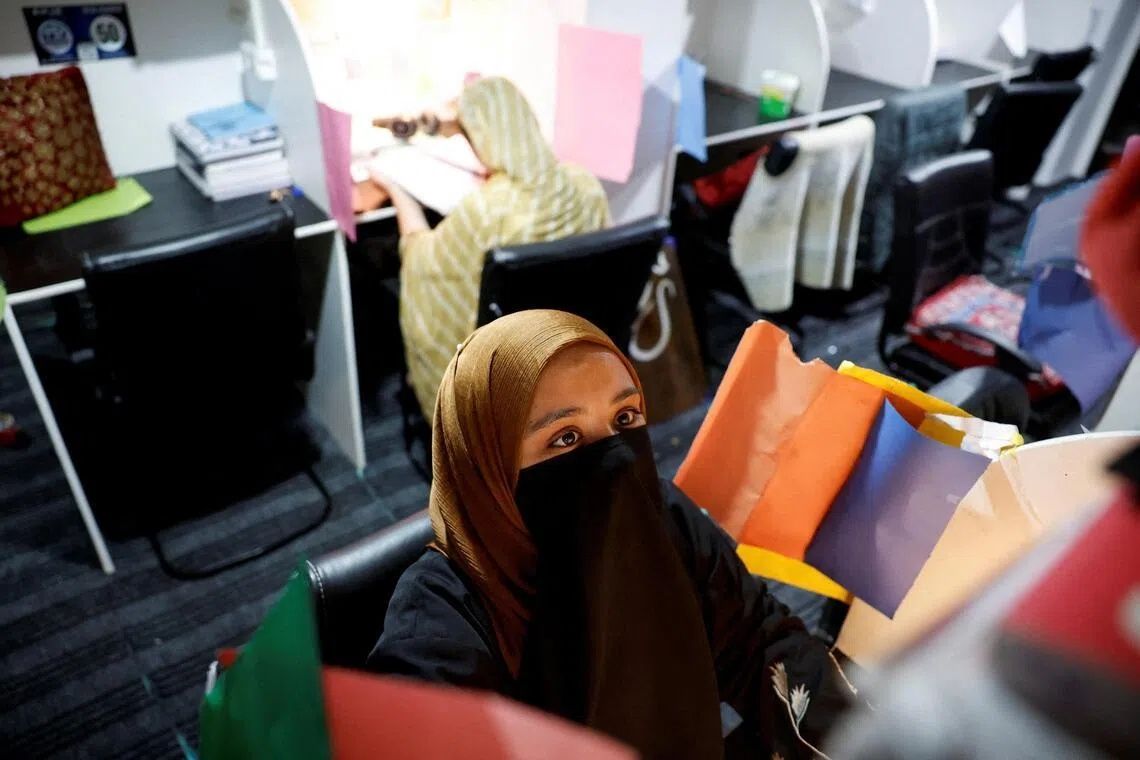
Yet despite these governmental interventions, many students report that the security enhancements and investigative efforts have done little to alleviate their psychological burden. The retake examination represents a second ordeal that forces students to manage not only the intellectual demands of the test but also the accumulated stress arising from the original scandal, the institutional breach of trust it represents, and anxiety about whether the government's safeguards will genuinely prevent further irregularities. For some candidates, the mental health implications have become severe enough to necessitate professional psychiatric support. Aliya Jalaal, a 20-year-old student, disclosed that she had been satisfied with her initial examination performance but found the prospect of retaking the test so anxiety-inducing that she sought professional mental health intervention.
The examination scandal has broader implications for Southeast Asia's education sector, where similar high-stakes entrance systems determine access to limited professional training positions. Malaysia, with its own competitive entrance examinations for medical and professional education, can observe how India's handling of this crisis either succeeds or fails in restoring student confidence in institutional integrity. The incident underscores the vulnerability of examination systems to technological exploitation and highlights the difficult balance governments must strike between implementing security measures and preserving civil liberties. For Malaysian policymakers and educational administrators, the Indian experience offers a cautionary lesson about the necessity of robust, independently audited examination protocols and transparent communication with students about security procedures and breach-prevention strategies.