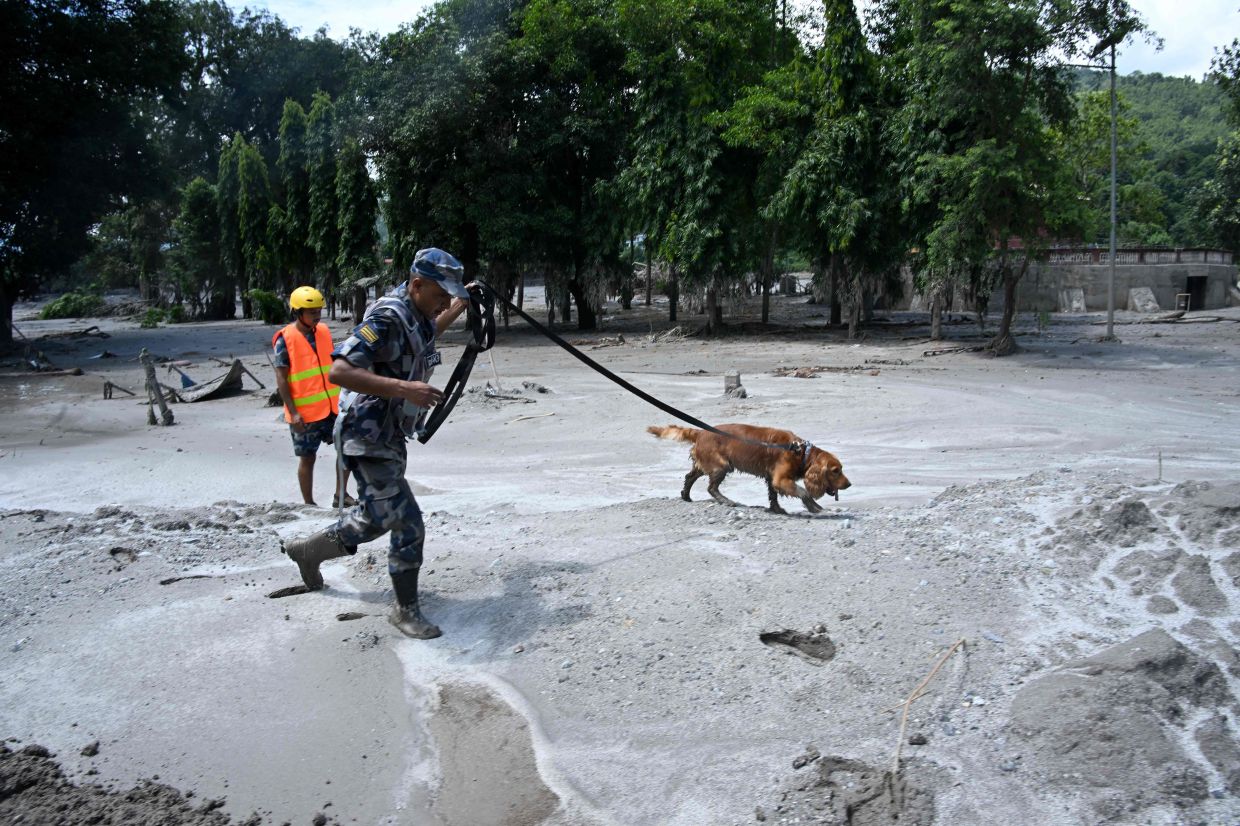
A catastrophic natural disaster spanning the Nepal-Tibet border has claimed at least 392 lives, with the confirmed death toll expected to rise as rescue operations continue and authorities reconcile casualty figures. The flash floods and landslides have left more than 1,400 people missing across both sides of the international boundary, creating a complex and evolving humanitarian crisis that has drawn the attention of governments worldwide. The scale of the disaster has made statistical verification challenging, with significant discrepancies emerging between different national agencies and the Nepal Tourism Board as the rescue effort unfolds.
The difficulty in establishing precise casualty figures stems from the inherent chaos of major disasters, where the initial confusion often leads to double-counting and shifting numbers as the situation becomes clearer. Missing persons lists frequently become complicated by the overlap between foreign nationals and residents, the delay in identifying bodies and matching them with those reported missing, and the sometimes conflicting information released by different government agencies. Nepal's disaster management authorities reported 910 people unaccounted for as of Thursday, including at least 517 foreign nationals whose exact nationalities remained unspecified. Simultaneously, Chinese officials reported 558 missing persons on their side of the border, including 260 foreigners, bringing the combined total to approximately 1,468 across both nations.
The geographic scope of the disaster has complicated efforts to provide accurate figures, with the Nepal Tourism Board releasing separate statistics specifically for tourists and travellers. The tourism board identified 667 missing travellers overall, with 127 of these being Nepali nationals and the remainder comprising foreign visitors. The broader question of how many local residents remain unaccounted for has not been definitively answered, suggesting that the total affected population may extend beyond the tourism-focused figures being released to international media. This distinction between tourist statistics and resident counts underscores the different mechanisms through which various governments are tracking their missing citizens.
China and Nepal have offered significantly different tallies for missing Chinese nationals, illustrating the measurement challenges inherent in cross-border disasters. China's foreign ministry reported that nearly 100 Chinese citizens were among the missing in Nepal, whilst the Nepal Tourism Board figure stood at 24, a considerable gap suggesting either different methodologies or incomplete information from one side. Adding the 558 individuals missing on the Chinese side of the border, including 260 foreigners, the total impact on Chinese territory and nationals remains substantial. This discrepancy highlights the importance of coordinated international verification protocols during major disasters affecting multiple jurisdictions.
Indian citizens constitute a significant portion of the missing, reflecting the region's tourist popularity and cross-border movement patterns. The Nepal Tourism Board reported 178 Indian nationals unaccounted for, whilst an additional 11 had been successfully rescued during the initial search phase. The United States State Department initially indicated that 90 American citizens were missing, though the Nepal Tourism Board offered a lower figure of 65, suggesting ongoing discrepancies in how different nations compile their lists. Importantly, the State Department confirmed that three Americans had been rescued and that no US fatalities had been confirmed at the time of reporting, providing some measure of reassurance despite the high number still unaccounted for.
Malaysia has been notably affected by the disaster, with Prime Minister Anwar Ibrahim reporting that more than 50 Malaysians in Nepal had become unreachable, a figure corroborated by the Nepal Tourism Board's count of 51 missing Malaysians. This represents a significant contingent given Malaysia's population and typical tourism patterns to Nepal, and has prompted diplomatic engagement from the Malaysian government to trace and assist affected citizens. The situation underscores how natural disasters in popular tourist destinations can have widespread repercussions for nations throughout the region, affecting families across Southeast Asia who have loved ones caught in the affected zone.
Eastern European nations have also reported substantial missing populations relative to their typical representation in Nepal. Ukraine's foreign ministry stated that 56 Ukrainians were listed as out of contact, though they emphasised that no Ukrainians had been confirmed among the injured or deceased at that time. Canada reported awareness of 30 Canadians and permanent residents whose whereabouts remained unconfirmed, exceeding the Nepal Tourism Board's figure of 25 Canadians, again suggesting evolving verification as different agencies compiled their data. Australia has reported 39 missing nationals, whilst the United Kingdom identified 33 citizens unaccounted for.
The range of nationalities affected by the disaster speaks to Nepal's significance as a global tourism destination, with trekking and mountaineering attracting adventurers from Europe, North America, East Asia and beyond. South Korean authorities reported nine hydropower workers out of contact in the Rasuwa district, reflecting the region's industrial activity alongside tourism operations. New Zealand confirmed five missing citizens, whilst France reported four. Singapore and Germany each reported nine and eight missing respectively, with Russia noting eight unaccounted for along with two successfully rescued.
Smaller contingents from other nations including South Africa, Latvia, and Japan have also been caught up in the disaster, with six, six, and five missing respectively according to available reports. This global distribution of missing persons means the disaster has generated diplomatic attention across multiple continents, with embassies coordinating with Nepali authorities and international rescue organisations to locate their citizens. The coordination required between Nepal's overwhelmed local authorities and multiple foreign governments seeking information about their nationals adds another layer of complexity to the response effort.
The fluctuation in casualty and missing figures reflects the reality of post-disaster information management, where initial reports often require substantial revision as rescue workers access remote areas and forensic teams work to identify remains. Authorities have acknowledged that these numbers will likely continue to shift as missing persons are found, located safe, or identified among the deceased. The technical challenge of managing information across a cross-border disaster zone, particularly in mountainous terrain where communication infrastructure may be compromised, has contributed to the persistent gaps and contradictions in official tallies. For the families of missing persons and the governments attempting to account for their citizens, the ongoing uncertainty represents both a source of hope that missing persons may still be found alive and a prolonged period of anguish.

