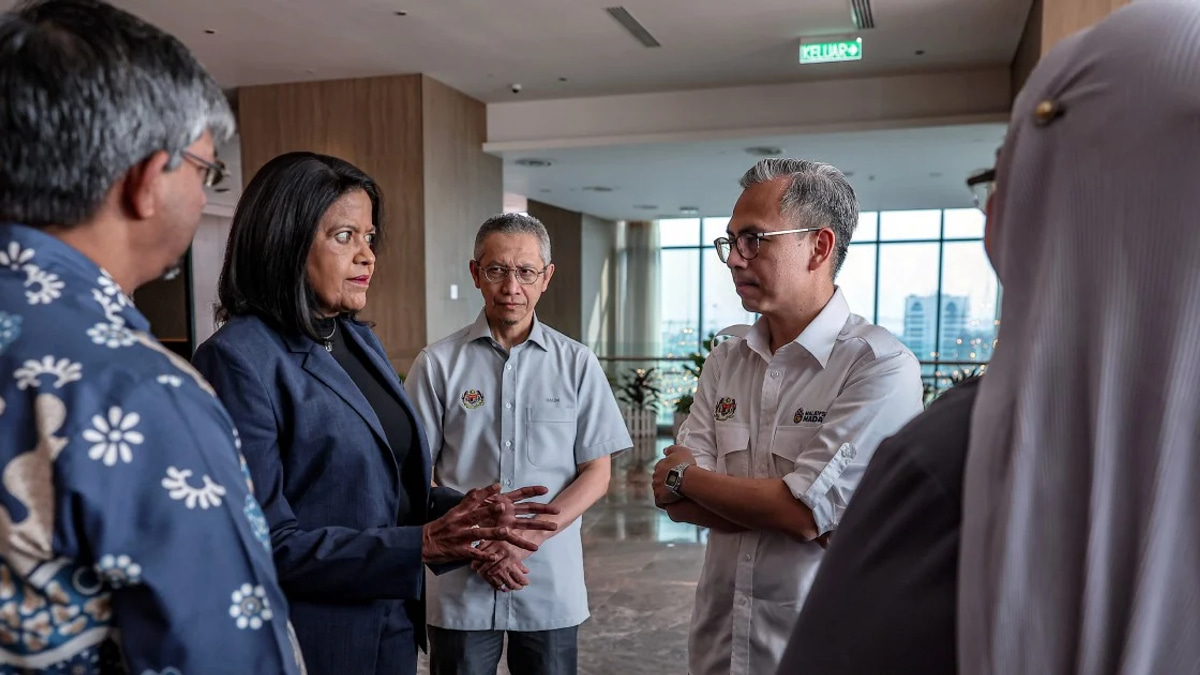
The Malaysian Media Council brought together more than 50 journalists and media professionals from the northern states of Penang, Kedah, Perak and Perlis on June 20 for an informal gathering in Butterworth, complementing the day's broader National Journalists' Day festivities. The dinner and networking session represented an intentional effort by the council's leadership to foster closer relationships with the media community outside the traditional Klang Valley hub, where most national media headquarters are concentrated.
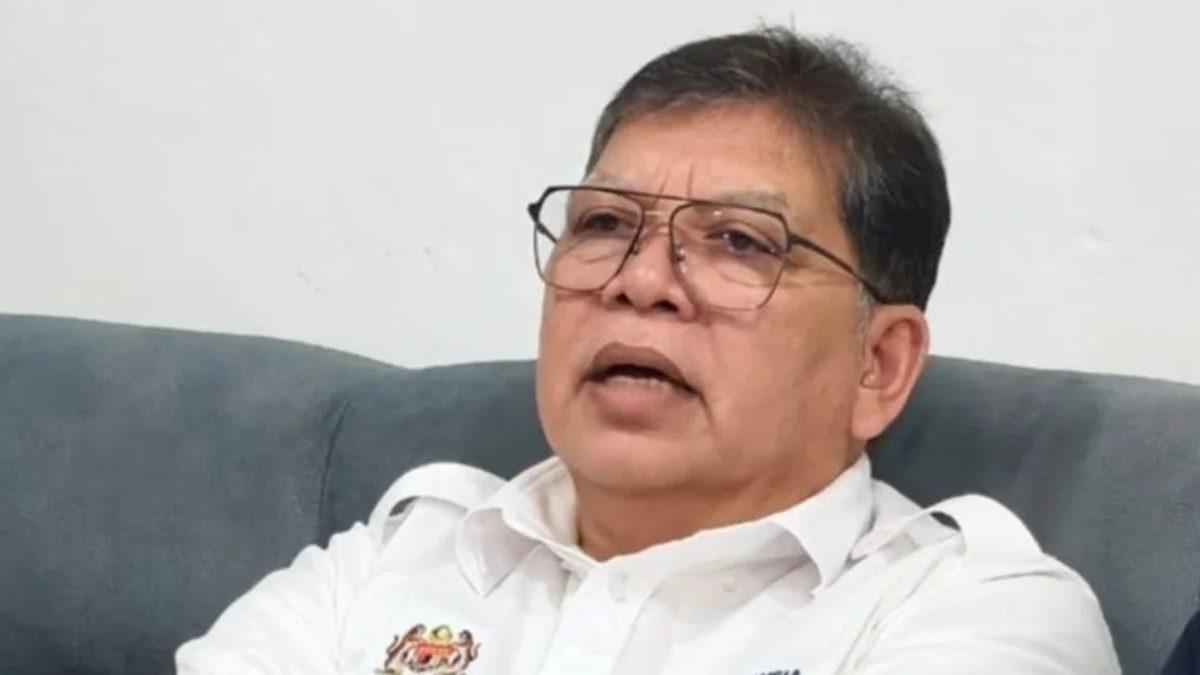
Radzi Razak, secretary of the Malaysian Media Council, explained that the session created space for candid dialogue between council representatives and regional journalists operating in less visible parts of Malaysia's media landscape. The informal setting encouraged participants to raise concerns and challenges specific to their territories, while simultaneously allowing the MMC to demonstrate its relevance and accessibility to journalists working beyond the capital region. This approach reflects an acknowledgment within the council that meaningful governance of the media profession requires understanding the distinct pressures and opportunities facing practitioners across different parts of the country.
The timing of this outreach proved significant as it marked the first major engagement activity under the leadership of newly appointed chairman Tan Sri Nallini Pathmanathan, a former Federal Court judge who assumed her position on June 15. This inaugural event under her tenure signals an intention to reorient the council's operational approach toward greater decentralisation and regional consultation. The presence of MMC board members and secretariat staff alongside the regional journalists emphasised the hierarchical engagement, demonstrating that senior leadership recognised the importance of direct interaction with practitioners in the field.
Radzi articulated a concern that animated the council's decision to venture north: the perception that the MMC operates as an exclusively Kuala Lumpur-centric institution disconnected from the realities of journalists working in provincial areas. By physically relocating its leadership and hosting an engagement session outside the capital, the council attempts to rebrand itself as a representative body for the entire national media community rather than an entity serving only metropolitan outlets. This perception management extends beyond mere symbolism; regional media practitioners often face unique regulatory, commercial and logistical challenges that differ materially from those confronting their counterparts in major urban centres.
The session's placement within the broader HAWANA 2026 celebration provided institutional legitimacy and elevated its profile. Prime Minister Datuk Seri Anwar Ibrahim officiated the day's main highlight event, which convened approximately 1,000 media practitioners from Malaysia and international delegations. The overarching theme, "Media Integrity Strengthens Credibility," framed the celebration around professional standards and public trust—concerns that resonate differently across Malaysia's diverse media ecosystem, where regional outlets often navigate complex relationships with local authorities and community expectations.
Beyond the immediate gathering, the MMC signalled commitment to sustained regional engagement through subsequent activities. Radzi disclosed plans for the council to continue its outreach programme, beginning with a scheduled media conference in Sarawak the following month. This trajectory indicates a structured approach to moving beyond sporadic Klang Valley-focused activities toward a genuinely distributed engagement model that would eventually encompass Malaysia's entire geographic and linguistic media landscape. Such institutional commitment requires resource allocation and organisational restructuring to support regular field operations.
The emphasis on ground-level engagement reflects broader industry dynamics within Malaysia's media sector. Regional journalists frequently operate with smaller budgets, fewer professional development opportunities and less visibility compared to their metropolitan colleagues. By creating platforms for direct dialogue and understanding the specific operational contexts of journalists in Penang, Alor Setar, Ipoh and Kangar, the council positions itself to develop policies and programmes better tailored to the realities of media practitioners across varied economic and social contexts. This differentiated approach acknowledges that a one-size-fits-all regulatory or professional framework may not adequately address the diverse circumstances of Malaysia's media community.
The networking dimension of the event carries particular significance for regional journalists who often lack the informal professional networks that naturally develop among journalists concentrated in metropolitan newsrooms. Opportunities for peer interaction, knowledge-sharing and professional camaraderie tend to be less frequent in provincial media environments. By facilitating such connections, the MMC contributes to strengthening what journalists themselves identify as crucial to their professional development and sense of belonging to a broader community of practice. These lateral relationships also create channels through which emerging industry challenges can be identified and addressed more rapidly.
The session occurred within a moment of institutional transition for the Malaysian media landscape. The appointment of Tan Sri Nallini Pathmanathan, with her judicial background, potentially signals a shift toward greater emphasis on legal frameworks, ethics and professional standards. Her background outside the media industry itself might facilitate a more independent perspective on the council's role and relationship with practitioners. The northern region engagement represents an opportunity for this new leadership to establish its credibility and approach before consolidating its vision for the institution.
For journalists operating in Malaysia's northern states, the council's visibility and willingness to engage directly carries practical implications. Regional media practitioners frequently contend with resource constraints that limit their ability to travel to Kuala Lumpur for professional development activities or direct engagement with industry bodies. The MMC's decision to bring leadership and engagement opportunities to them reduces transaction costs and demonstrates institutional responsiveness to geographic disparity. This accessibility can influence how practitioners perceive the council's legitimacy and whether they view it as genuinely representative of their professional interests.
The broader context of media professionalism in Malaysia shapes the significance of these regional engagement efforts. As the industry navigates questions around credibility, digital transformation and relationship with public institutions, the involvement and perspective of journalists throughout the country becomes increasingly important. Regional practitioners often serve as crucial connectors between their communities and the broader information ecosystem, making their professional development and engagement with industry bodies a matter of national media health. The MMC's efforts to build stronger relationships with this dispersed community contribute to a more integrated and coherent approach to media governance and professional standards across Malaysia's diverse territories.