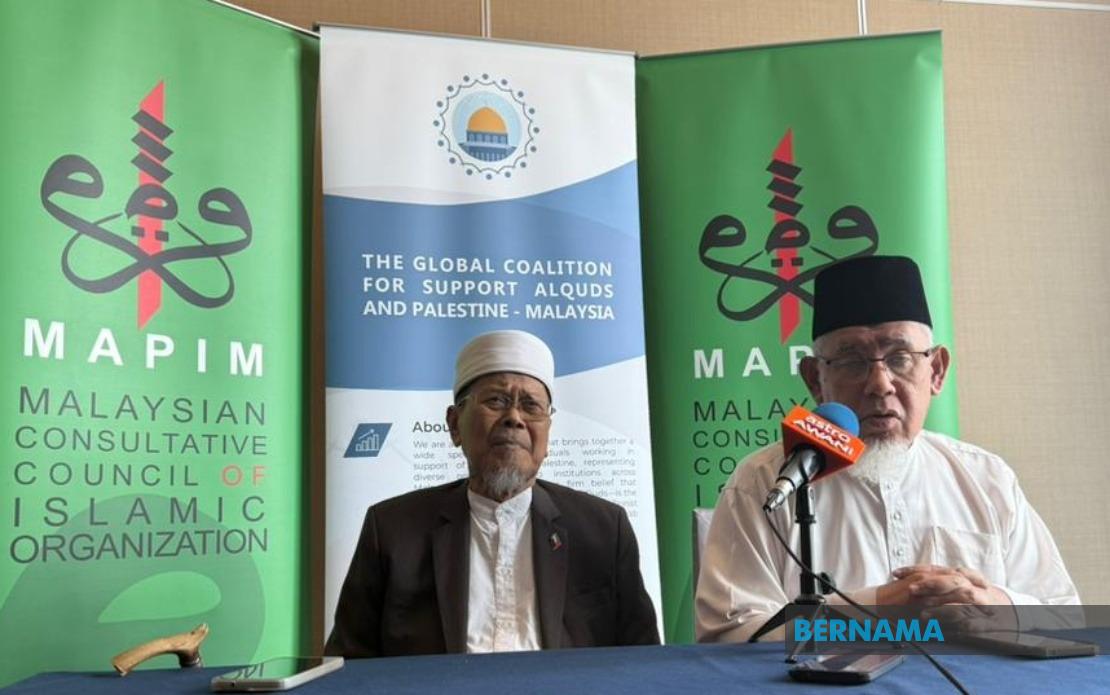
The Malaysian Consultative Council of Islamic Organisations (MAPIM) is preparing to dispatch a humanitarian mission to Nepal on September 5 in response to catastrophic flash floods that have claimed hundreds of lives and left thousands missing across the Himalayan nation. The four-person advance team will assess damage in affected communities and coordinate international aid delivery, marking Malaysia's organised response to one of the region's most severe natural disasters in recent months.
MAPIM president Mohd Azmi Abdul Hamid announced the relief initiative during a press conference in Ipoh on Wednesday, revealing that preliminary coordination had already begun with Nepal's diplomatic mission in Malaysia. The organisation plans to combine its own resources with contributions from established humanitarian groups, including the Malaysian medical charity MyCare and two Nepali NGOs operating on the ground. This collaborative approach reflects growing recognition that effective disaster response requires coordinating multiple agencies across borders, pooling expertise and ensuring aid reaches vulnerable populations systematically rather than through scattered independent efforts.
The scale of the catastrophe became apparent in the days following August 26, when an avalanche triggered a devastating torrent of rocks, ice, mud and debris through mountain valleys. The flash floods swept across the Gorkha District along Nepal's trekking route between Kathmandu and Lhasa in Tibet, destroying villages and critical infrastructure. Official death tolls have reached at least 469, with more than 1,400 people reported missing by late August. Among the missing are approximately 540 foreign nationals caught in the disaster, highlighting how the event affected international tourists exploring some of the world's most trafficked mountain trails.
Malaysia's own national concern has grown considerably as the Ministry of Foreign Affairs confirmed that 57 Malaysians remained unaccounted for as of late August 27, based on reports from anxious family members, friends and employers desperately seeking information. This figure reflects a significant Malaysian presence in Nepal at the time, whether through tourism, trekking expeditions, or longer-term residence. The uncertainty surrounding these individuals has prompted heightened diplomatic engagement between Kuala Lumpur and Kathmandu, with Malaysian authorities working to identify and locate nationals affected by the deluge.
Mohd Azmi detailed the priorities guiding MAPIM's relief strategy, emphasising that medical supplies represent the most pressing need in devastated areas where healthcare infrastructure has been compromised. Following medical assistance, the mission will focus on distributing food packages to survivors facing immediate nutritional challenges. This phased approach acknowledges that disaster response must address acute life-threatening conditions before shifting attention to longer-term rehabilitation and reconstruction. The careful prioritisation demonstrates how international relief organisations plan interventions to maximise impact when resources remain limited relative to overwhelming need.
The MAPIM initiative will be formally presented to Prime Minister Datuk Seri Anwar Ibrahim, positioning Malaysia's relief effort within the broader government framework and potentially opening avenues for official diplomatic coordination and additional state resources. Such formal notification helps ensure that private humanitarian missions operate harmoniously with government protocols and allows authorities to monitor the welfare of Malaysian citizens abroad more effectively. It also signals to Nepal's government that Malaysia stands ready to provide practical assistance during this national emergency, reinforcing bilateral relationships during moments of acute vulnerability.
Malaysia's humanitarian response to Nepal's disaster reflects broader Southeast Asian patterns of mutual aid during natural catastrophes. The region has experienced numerous major flooding and avalanche events over recent decades, developing institutional networks and shared experiences in rapid response coordination. When disasters strike in neighbouring countries, Malaysian organisations draw upon established relationships with international humanitarian groups and local partners to deploy assistance quickly. MAPIM's involvement particularly underscores how faith-based organisations integrate disaster relief into their broader community service mandates, mobilising volunteer networks and institutional resources toward non-partisan humanitarian objectives.
The tragedy also highlights vulnerabilities in the Himalayan trekking industry, where thousands of tourists undertake high-altitude expeditions annually without always appreciating avalanche risks during certain seasons. The August flooding caught many visitors and guides unexpectedly, overwhelming rescue capacities and complicating recovery efforts across remote mountainous terrain. Nepal's tourism sector, economically crucial for the nation, now faces questions about safety protocols and early-warning systems as authorities investigate what circumstances enabled the avalanche to produce such catastrophic secondary effects.
For Malaysian policymakers and humanitarian organisations, the Nepal crisis serves as a reminder of how quickly natural disasters can create large-scale displacement and suffering across the region. The incident underscores the importance of maintaining readiness in emergency response capabilities, ensuring that Malaysian organisations have trained personnel and logistical networks capable of rapid mobilisation when crises emerge in neighbouring countries. Investment in humanitarian preparedness and cross-border coordination mechanisms yields dividends precisely during such emergencies, when minutes and hours determine survival outcomes for affected populations.

