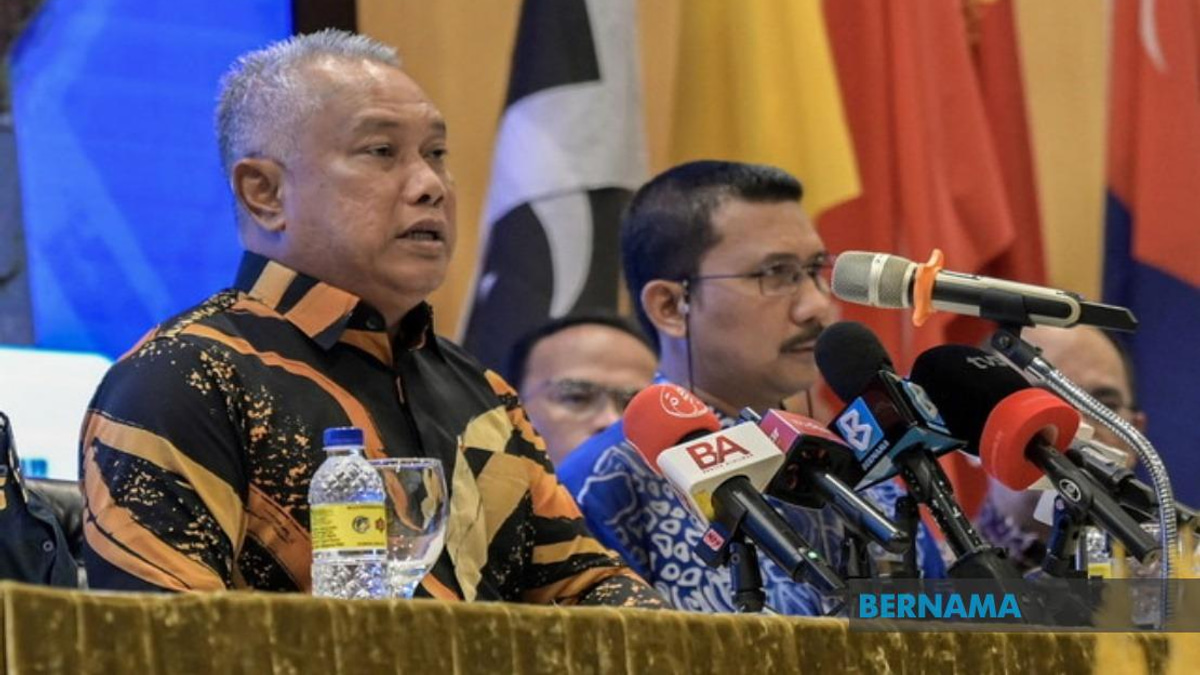
Malaysia must shift from passive awareness-raising to active, structured screening programmes to combat childhood iron deficiency anaemia, a condition silently affecting roughly one in three children across the country. This call came during the Arena Generasi Kuat Zat Besi programme in Putrajaya, where policymakers, medical professionals and researchers emphasised that systematic intervention—rather than reliance on public education alone—is essential to reversing the trend. The convergence of voices from government and industry underscores growing recognition that iron deficiency in childhood demands urgent, coordinated action across Malaysia's healthcare system.
Yeo Bee Yin, Chairperson of the Parliamentary Special Select Committee on Women, Children and Community Development, highlighted a critical blind spot: even among policymakers and healthcare professionals, awareness of iron deficiency anaemia remains surprisingly low. This knowledge gap at the institutional level translates into missed opportunities for early detection. She pointed to pilot screening data from low-income households in Puchong, where approximately half of children screened showed signs of iron deficiency risk—a figure that suggests the true burden is far larger than commonly appreciated. The Puchong MP framed the problem as one of equity, noting that undetected iron deficiency during formative years can widen developmental gaps between children from different socioeconomic backgrounds, locking poor nutrition into cycles of reduced cognitive performance and constrained future opportunities.
The case for routine, non-invasive screening is compelling because iron deficiency operates largely invisibly. Danone Malaysia and Singapore marketing director Yek Pek Kuan drew attention to findings from the company's Iron Strong Study in 2023, which revealed that while one in three Malaysian children faces iron deficiency risk, a startling 90 per cent display no outward symptoms. Parents and even healthcare providers may see no warning signs, allowing the condition to persist unchecked. This asymptomatic nature makes screening protocols particularly valuable: children who appear perfectly healthy may harbour significant nutritional deficits that silently undermine their neurological development. The implications extend beyond academic performance to encompass fundamental aspects of childhood maturation that may not be fully apparent until years later.
Dr Sri Wahyu Taher, a Consultant Family Medicine Specialist, articulated the science underpinning these concerns. Iron plays a foundational role in forming neural connections and establishing communication pathways within the developing brain. When iron stores are depleted, these critical neurological processes falter, resulting in measurable declines in memory retention, concentration, reasoning ability and overall learning capacity. Beyond cognition, iron deficiency compromises physical growth and muscle development, making it a broadly destabilising force during the vulnerable window of childhood. Early detection and treatment can arrest this decline and restore developmental trajectory, which is why screening during primary healthcare visits or school programmes would represent such a meaningful intervention point.
Implementing mandatory screening through existing infrastructure offers a practical pathway forward. Yeo Bee Yin argued that integrating iron deficiency screening into routine healthcare delivery—particularly through clinics and primary care services—would transform the treatment landscape without requiring wholesale system overhaul. Many parents remain unaware that iron deficiency is both diagnosable and treatable, and embedding screening into standard paediatric practice would naturally surface at-risk children before serious developmental consequences materialise. The psychological and practical barriers that currently prevent screening could be dismantled by making the procedure routine rather than exceptional, shifting cultural norms around childhood nutrition monitoring.
The effort extends beyond screening to encompassing broader nutritional access. Yeo Bee Yin reiterated recommendations from her parliamentary committee for enhanced government support in expanding children's access to milk and nutritional products, particularly for disadvantaged families. Screening alone cannot solve the underlying problem if families lack resources to address identified deficiencies. A comprehensive approach must connect detection to intervention, ensuring that the identification of at-risk children leads to tangible nutritional support rather than simply documenting a problem without remedy. This integration of screening, awareness and material support represents the full architecture needed for meaningful progress.
Danone Malaysia's response has included expanding community outreach capacity, forging partnerships with government agencies and non-governmental organisations, and increasing the availability of non-invasive screening services. These efforts attempt to bridge the persistent gap between theoretical awareness of iron deficiency and concrete action by families and healthcare systems. By increasing accessibility of screening, the company aims to move the issue from abstract concern to immediate, manageable intervention. The appointment of national men's doubles badminton player Nur Izzuddin Rumsani as Dumex Dugro brand ambassador signals an attempt to leverage cultural influence and trusted figures to encourage parental engagement with children's iron status monitoring, leveraging sports personalities to amplify health messaging.
For Malaysia, the stakes are particularly high given the nation's aspirations toward high-income status and human capital development. Children experiencing iron deficiency during formative years may never fully recover the cognitive losses incurred, even if the deficiency is later corrected. This irreversibility underscores why prevention and early detection should rank among national health priorities. The current one-in-three prevalence rate represents a significant public health burden that systematically disadvantages substantial segments of the childhood population. Addressing it would generate returns extending across educational outcomes, economic productivity, and social equity over decades.
The convergence of medical evidence, policy advocacy, and private sector initiative suggests momentum is building. However, translating rhetoric into sustained, systematic change across Malaysia's diverse geography and healthcare infrastructure will require sustained political commitment, adequate funding, and integration of screening protocols into routine practice. The pathway is clear: mandatory, non-invasive screening embedded within primary healthcare and school systems, coupled with nutritional support programmes and public awareness. What remains is the institutional will to implement these measures at scale and maintain them as permanent features of childhood healthcare delivery across the country.