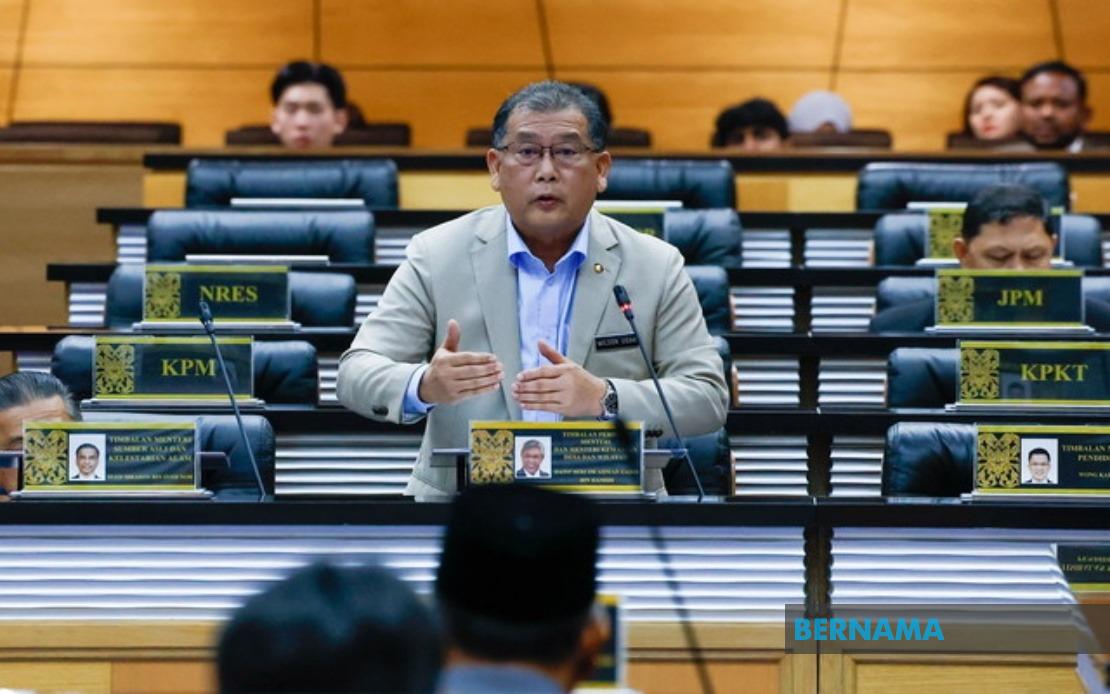
Malaysia's disaster management infrastructure is set for a significant upgrade with the staged rollout of 15 permanent disaster relief centres (PPKB) across nine states beginning this year, marking a shift toward more resilient and purpose-built emergency response capabilities. Deputy Digital Minister Datuk Wilson Ugak Kumbong announced in Parliament that the initiative represents a departure from the practice of converting school premises into temporary shelters during flood events, a system that has historically disrupted education and placed strain on existing public infrastructure.
Two of the facilities have already reached full operational status in Johor and Pahang, with nine additional centres currently under active construction and another four in the design and procurement phase. This staggered approach allows the government to learn from early implementations and refine operational procedures before expanding to other flood-prone regions. The initiative, formally introduced in 2023, reflects lessons learned from successive monsoon seasons when schools across the nation have been pressed into service as emergency shelters, forcing the postponement of classes and examinations.
The permanent centres are engineered with dual functionality at their core. During periods when disaster does not strike, these facilities serve the surrounding communities as multipurpose buildings available for local gatherings, training sessions, and cultural events. This design philosophy ensures public funds invested in the infrastructure generate ongoing value rather than remaining idle between emergency activations. The approach resonates with Malaysian policymakers' emphasis on asset optimisation and integrated planning, particularly relevant in a nation where flooding season is predictable and preparedness can be strategically built into routine infrastructure development.
Each centre comes equipped with comprehensive amenities specifically calibrated for managing large displaced populations. The facilities feature open hall spaces with capacity for up to 500 evacuees, dedicated dining areas with attached kitchen facilities, medical treatment rooms, accessible sanitation blocks for persons with disabilities, prayer rooms, and specially designed zones intended to minimise psychological distress among children and vulnerable individuals. This thoughtful specification reflects growing recognition that disaster relief extends beyond merely providing shelter to encompassing dignified treatment and emotional support during traumatic circumstances.
The selection process for establishing these centres prioritises geographic accuracy in identifying regions repeatedly ravaged by seasonal flooding. The National Disaster Management Agency (NADMA) has focused initial site selection on localities with documented histories of severe inundation, though the approval pathway involves multiple layers of government scrutiny. Any proposal must first gain endorsement from the State Disaster Management Committee before advancing to NADMA for comprehensive evaluation and final authorisation. This multi-tier approval structure ensures decisions reflect both state-level understanding of local flood dynamics and national standardisation of facility design and emergency protocols.
While the longer-term vision centres on these permanent facilities, the government recognises the pressing need for immediate improvements across the temporary relief system currently operating in schools nationwide. In April alone, NADMA released RM4.44 million specifically designated to enhance amenities at 25 existing temporary centres housed on Ministry of Education premises. These funds address shortcomings identified during recent disaster responses, improving sanitation, accommodation quality, and storage capacity for emergency supplies at locations that continue serving as first-line shelters during flood events.
Comprehensive maintenance funding has also been introduced to sustain temporary centres through their operational lifespan. The programme provides assistance of up to RM50,000 to each facility activated following the Northeast Monsoon season, permitting essential repairs, equipment replacement, and facility upgrades that ensure readiness for subsequent monsoon cycles. This dedicated maintenance allocation reflects acknowledgment that disaster preparedness is an ongoing commitment rather than a one-time investment, particularly vital in Malaysia's tropical climate where multiple flood-prone seasons occur annually depending on geographic location.
The expansion programme requires sustained budget allocation across multiple fiscal years, and NADMA is currently negotiating with federal agencies to secure developmental funding for the next phase of construction. These discussions will determine the timeline for rolling out facilities beyond the initial nine states, with Perak identified as a priority location for future development given its recurring flood vulnerability. The phased approach allows government planners to assess construction costs, operational expenses, and performance metrics from completed centres before committing to wider geographical expansion.
Malaysia's evolving disaster management philosophy increasingly emphasises shared responsibility extending far beyond government agencies. Wilson Ugak articulated this explicitly, framing effective disaster response as a "whole-of-government and whole-of-society" endeavour requiring coordinated engagement from federal and state administrations, commercial enterprises, civil society organisations, and community groups themselves. This conceptualisation acknowledges that government cannot effectively manage large-scale emergencies without voluntary cooperation from private entities providing logistics, communications, and material support, alongside community participation in evacuation procedures and mutual aid.
The permanent centres initiative carries particular significance for Southeast Asia's broader disaster management conversation. Malaysia's experience with recurring monsoon flooding has positioned the nation as a regional laboratory for cost-effective solutions balancing emergency preparedness with routine infrastructure utility. Other ASEAN nations facing similar climate vulnerabilities have observed Malaysia's approach with interest, recognising that purpose-built facilities could replace the educational disruption and ad-hoc arrangements currently typical across the region. The Malaysian model demonstrates that climate adaptation need not impose oppressive costs if infrastructure is deliberately designed to serve multiple functions.
Implementation challenges remain considerable, particularly in ensuring adequate staffing, supply chain management, and coordination protocols across nine separate state administrations with varying administrative capacities. Training programmes for centre management staff require standardisation while allowing flexibility for regional variations in flood characteristics and local community needs. Communication systems must reliably alert affected populations to centre locations and operational status during the chaotic early hours of flood events when information channels become congested and unreliable.
The long-term success of this initiative will depend on continuous evaluation and refinement based on actual operational experience. Early centres in Johor and Pahang provide crucial testing grounds for identifying unforeseen logistical complications, staffing gaps, and design improvements applicable to subsequent facilities. Systematic documentation of each deployment—covering aspects ranging from victim flow patterns to supply consumption rates to psychological support effectiveness—will generate evidence-based insights invaluable for enhancing resilience across the national disaster response architecture. For Malaysian communities repeatedly affected by monsoon flooding, these permanent facilities represent tangible governmental commitment to reducing hardship while preserving educational continuity during predictable seasonal crises.

