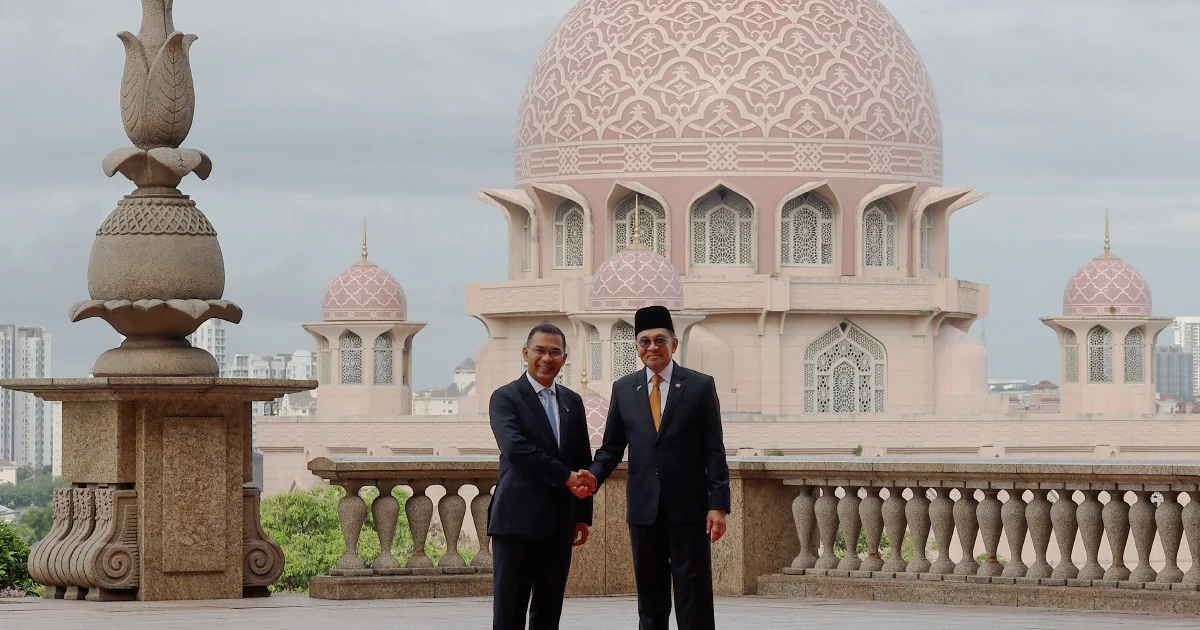
Bangladesh Prime Minister Tarique Rahman touched down in Malaysia for a two-day official visit, marking another chapter in the diplomatic engagement between two significant Asian democracies. He received a formal state welcome at the Perdana Putra Complex in Putrajaya, the symbolic seat of Malaysian governance, underlining the importance both nations place on their bilateral relationship at the highest level of political leadership.
The visit reflects the continuing momentum in Malaysia-Bangladesh relations, particularly as both countries navigate the complex geopolitical landscape of South and Southeast Asia. Bangladesh, with its strategic position as a gateway to South Asia and substantial population exceeding 170 million, represents a key partner for Malaysian diplomatic and economic interests. Similarly, Malaysia's stability and regional influence make it an important anchor for Bangladeshi engagement in Southeast Asia.
Official visits of this nature typically encompass discussions on trade expansion, investment opportunities, and cultural exchanges. The bilateral relationship between Dhaka and Kuala Lumpur has historically centred on people-to-people connections, with significant Bangladeshi expatriate communities working and studying throughout Malaysia. These communities serve as living bridges between the two nations, facilitating understanding and cooperation beyond formal government channels.
Tarique Rahman's tenure as Prime Minister comes at a pivotal moment for Bangladesh, following a period of significant political transition. The visit to Malaysia provides an opportunity to demonstrate Bangladesh's commitment to strengthening relationships across Asia while projecting stability to international partners and investors. For Malaysian observers, the reception of a South Asian leader at this level signals continued commitment to balanced regional diplomacy amid broader strategic competition in Asia.
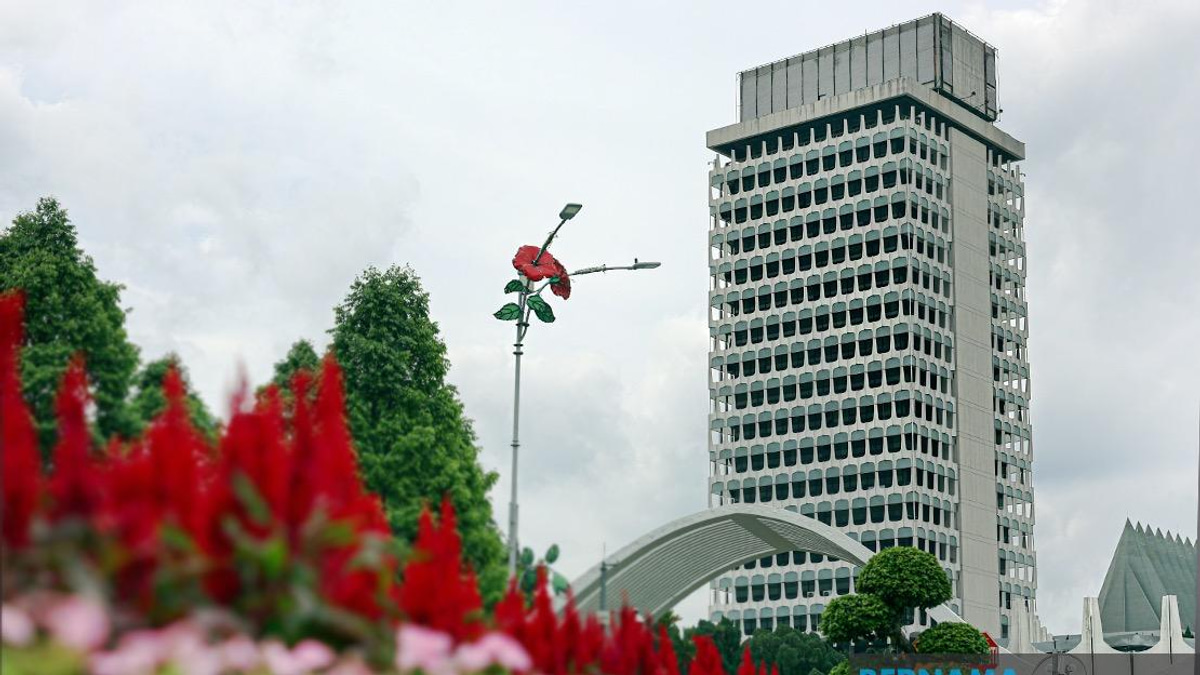
The Perdana Putra Complex, where the welcome ceremony took place, serves as the official seat of Malaysia's Prime Minister and represents the heart of Malaysian decision-making. Hosting senior foreign dignitaries there underscores the symbolic significance accorded to their visits and the bilateral importance attached to their nations' relationships. Protocol-level receptions of this nature typically feature flag ceremonies, address exchanges, and formal consultations between top officials.
Trade between Malaysia and Bangladesh has gradually expanded over recent years, though significant untapped potential remains. Malaysian investors have shown growing interest in Bangladesh's manufacturing sector, particularly in garments, textiles, and light industries. Conversely, Bangladesh's skilled workforce and competitive labour costs make it an attractive destination for Malaysian companies seeking to diversify production away from higher-cost jurisdictions. Enhanced bilateral commerce could benefit both economies while creating employment opportunities on either side.
Beyond commerce, the two nations share common concerns regarding maritime security, counterterrorism, and regional stability. Bangladesh's position alongside the Bay of Bengal connects it to crucial global shipping lanes and regional security challenges that also affect Malaysia. Collaborative efforts in addressing transnational threats, maritime domain awareness, and law enforcement coordination can enhance security for both nations and the broader region.
Cultural and educational exchanges form another pillar of the relationship. Malaysian universities attract substantial numbers of Bangladeshi students, fostering intellectual connections and future networks between the nations' professional classes. Similarly, cultural diplomacy initiatives, sporting competitions, and youth exchange programmes contribute to deeper mutual understanding and reduce the friction that can occasionally emerge in bilateral relations.
The visit also occurs within the context of broader ASEAN-South Asia engagement, where Malaysia holds certain advantages as a bridge between the two regions. Bangladesh, while not an ASEAN member, maintains active partnerships with the bloc through various dialogue mechanisms and cooperation frameworks. Malaysian mediation and facilitation in South Asian affairs can benefit from relationships such as that cultivated during visits like Rahman's current trip.
Looking forward, the outcomes of high-level consultations during this visit will likely shape the trajectory of Malaysia-Bangladesh cooperation over coming months. Any agreements reached on trade, investment protection, labour mobility for Bangladeshi workers, or regional security cooperation will signal the practical substance underlying the ceremonial welcome extended to the visiting Prime Minister.
For Malaysia's broader Southeast Asian audience, the reception of Tarique Rahman demonstrates the country's commitment to maintaining robust bilateral relationships across South Asia. This reflects Malaysia's positioning as a responsible middle power capable of engaging meaningfully with diverse partners across the region and beyond. The visit reinforces the principle that geographical proximity within Asia creates natural affinity and mutual interest, regardless of whether nations share membership in formal regional organisations.

%22%2F%3E%3C%2Fpattern%3E%3C%2Fdefs%3E%3Crect%20width%3D%22100%25%22%20height%3D%22100%25%22%20fill%3D%22url(%23ph315z3g)%22%2F%3E%3Crect%20width%3D%22100%25%22%20height%3D%22100%25%22%20fill%3D%22url(%23ph315z3p)%22%2F%3E%3Ctext%20x%3D%2250%25%22%20y%3D%2250%25%22%20text-anchor%3D%22middle%22%20dominant-baseline%3D%22central%22%20fill%3D%22rgba(255%2C255%2C255%2C0.95)%22%20font-family%3D%22Georgia%2C%20'Times%20New%20Roman'%2C%20serif%22%20font-weight%3D%22700%22%20font-size%3D%22194%22%20letter-spacing%3D%22-0.02em%22%3EBersatu%3C%2Ftext%3E%3C%2Fsvg%3E)