Indian security forces have arrested two individuals deported from Malaysia on suspicion of operating an overseas funding network for the banned Khalistan Zindabad Force, a development that underscores the transnational dimensions of separatist violence in Punjab and the growing security cooperation between India and Southeast Asian nations. The deportation, facilitated by the Royal Malaysia Police and Punjab Police working in tandem with central security agencies, represents a significant breakthrough in dismantling what authorities describe as a sophisticated international terror-support infrastructure.
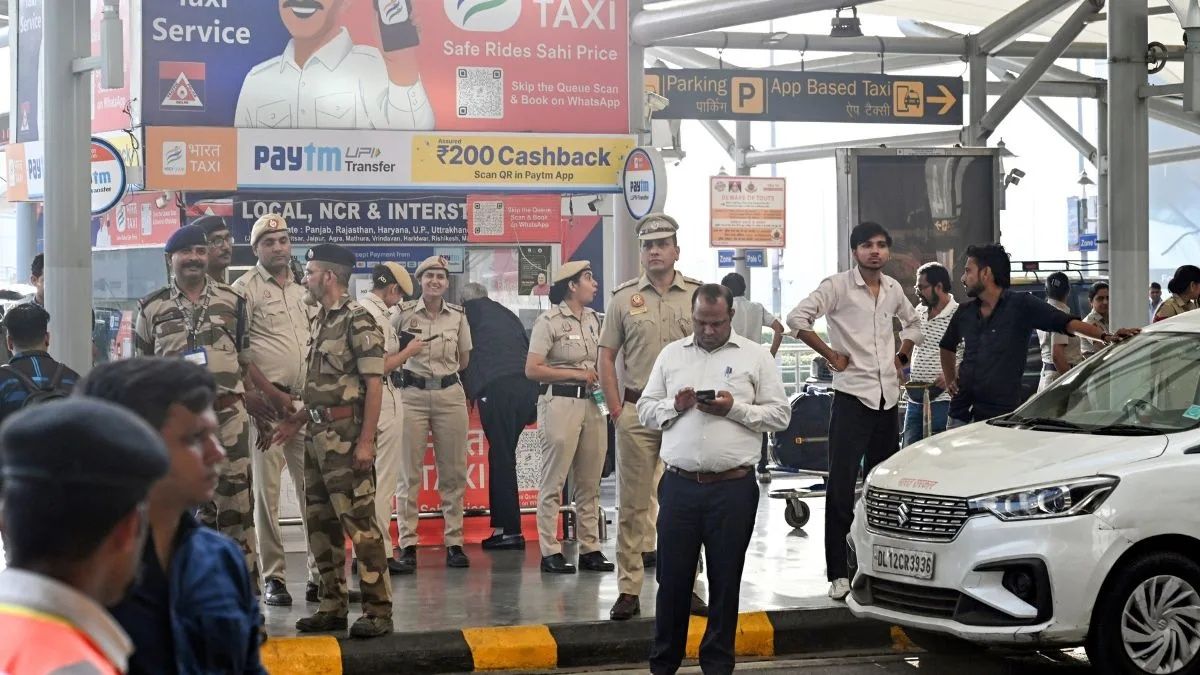
The arrested men, identified as Gurvinder Singh from Ambala and Manjit Singh from Patiala, were taken into custody upon arrival at Delhi's Indira Gandhi International Airport and subsequently presented before a Patiala court, which authorised police custody for interrogation. According to Punjab's Director General of Police Gaurav Yadav, the operation was intelligence-driven and targeted at severing the overseas networks that have been supplying material and financial resources to militant groups operating within the state. The deployment of Malaysian law enforcement cooperation signals a broader regional understanding of the cross-border terrorism challenge that affects multiple countries in South Asia.
Investigations traced the pair's activities to their alleged role in orchestrating financial transfers and coordinating operational support for KZF-linked modules within Punjab. Their arrest emerged from a larger probe into a series of attempted terror attacks on critical infrastructure, including a blast that struck railway installations near Sirhind in Fatehgarh Sahib district on January 23 and a subsequent explosion attempt near Shambhu in Patiala on April 27. These incidents exposed a chain of operatives working in concert to target the Dedicated Freight Corridor and other key transport networks, prompting investigators to expand their inquiry beyond state borders.
The financial investigation revealed a pivotal operational pattern: funds supporting these modules were being channelled through international banking systems and routed via foreign intermediaries rather than through conventional domestic channels. This offshore financing mechanism appeared designed to obscure the money trail from regulatory scrutiny and law enforcement detection. The investigation eventually led security agencies to Malaysia, where the two accused were allegedly embedded within a network tasked with facilitating remittances and arranging logistical support for terror operatives on the ground in Punjab.
The scale of weaponry recovered during related raids underscores the sophistication and resources commanded by these networks. Security agencies recovered an RPG launcher, improvised explosive devices, RDX, hand grenades, and sophisticated firearms along with ammunition during earlier operations connected to the same module. Such materiel does not materialise without sustained funding channels and international procurement networks, suggesting that the overseas financial coordination uncovered in Malaysia was integral to the supply of these weapons to armed groups.
For Malaysian readers and policymakers, this episode carries several implications. Malaysia's involvement demonstrates that Southeast Asia, despite its geographical distance from the Punjab conflict, has become a staging ground for terrorist financing and coordination networks. The ease with which operatives had established themselves in Malaysia and conducted financial operations from there highlights vulnerabilities in cross-border money laundering detection systems. While Malaysian authorities cooperated effectively with Indian counterparts in this instance, the case suggests a need for heightened vigilance regarding the use of Southeast Asian financial and communications infrastructure by militant networks across South Asia.
The bilateral cooperation between India and Malaysia also reflects a pragmatic security partnership that extends beyond traditional diplomatic channels. Such joint operations, often conducted quietly and outside public view, have become routine features of regional counter-terrorism efforts. The swift deportation and handover of suspects indicates functioning extradition frameworks and intelligence-sharing mechanisms between the two nations. For Malaysia, participation in such operations reinforces its commitment to countering terrorism on its soil while demonstrating responsibility as a regional security partner.
Police officials characterised the network uncovered as an international conspiracy involving handlers and financiers distributed across multiple jurisdictions. The investigation revealed how the banned organisation had adapted to law enforcement pressure by establishing foreign operational bases, fragmenting command structures, and diversifying funding sources across multiple countries. Rather than operating a single centralised apparatus, the KZF appeared to function as a distributed network with regional coordinators managing specific portfolios, whether financial transfers, weapons procurement, or operational planning.
The arrested individuals now face interrogation aimed at identifying their associates, tracing additional members of the conspiracy, and uncovering the full extent of the financing network. Investigators are particularly focused on understanding the recruitment and indoctrination pathways that led individuals in Malaysia to become involved in supporting terror activities in a distant state. They are also examining whether the Malaysian operations extended beyond Punjab to include separatist movements or militant groups in other Indian states or neighbouring countries.
The broader significance of this operation lies in its demonstration that modern terrorism operates through transnational networks invisible to traditional border security measures. Militant organisations raise funds, coordinate planning, and provide logistical support across continents using commercial banking systems, digital communications, and diaspora networks. Disrupting such networks requires sustained intelligence gathering, international cooperation, and willingness to pursue suspects across borders. Punjab Police's success here reflects years of patient investigation and intelligence development.
As the interrogation of the two men progresses, investigators will likely uncover additional leads pointing to other cells and financial intermediaries. The police have indicated that efforts to trace the complete chain of operatives, financiers, and facilitators will continue. Each additional suspect arrested and each disrupted funding channel makes it incrementally harder for militant organisations to reconstitute their operational capacity. Yet the underlying conditions driving recruitment and radicalisation—grievances, identity politics, and the appeal of militancy to some segments of the population—remain active factors requiring long-term policy responses beyond law enforcement alone.