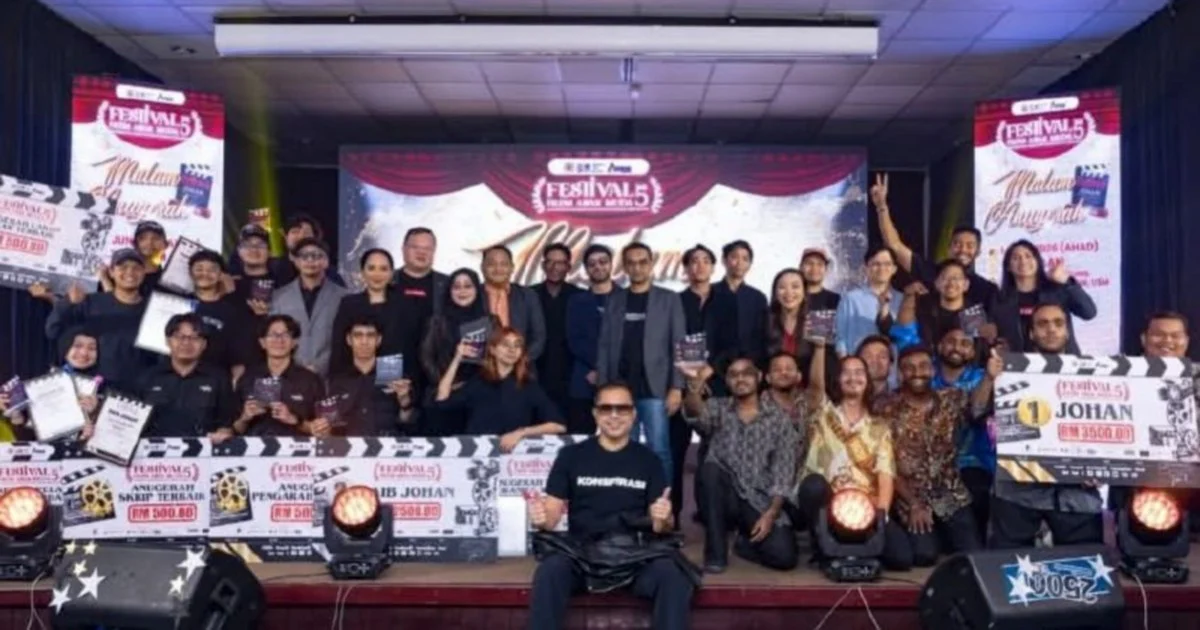
The Malaysian Anti-Corruption Commission has recognised that traditional approaches to fighting corruption may not resonate with younger demographics, prompting the agency to adopt a more culturally engaging strategy through film and artistic expression. This fresh initiative comes as MACC participates in organising the 5th Youth Film Festival (FFAM) at Universiti Sains Malaysia in Penang, marking a deliberate shift towards embedding integrity messaging within creative platforms that naturally attract student audiences.
The partnership between MACC and USM reflects a broader understanding within Malaysian governance circles that youth engagement on governance issues requires meeting young people where they already spend time—in cultural and creative spaces rather than through conventional lectures or seminars. By aligning with FFAM, the anti-corruption agency gains direct access to film enthusiasts, emerging filmmakers, and university communities across the peninsula, many of whom will shape Malaysia's institutional landscape in coming decades.
Film as a medium offers distinct advantages for communicating complex policy messages about corruption and institutional integrity. Visual narratives can illustrate the consequences of corrupt practices in ways that resonate emotionally and intellectually with viewers, making abstract principles of transparency and accountability feel relevant to everyday life. Young filmmakers participating in FFAM will potentially encounter anti-corruption themes as content creators themselves, internalising these values through the creative process rather than passive reception.
The timing of this initiative aligns with sustained efforts by Malaysian authorities to strengthen the country's anti-corruption framework following high-profile cases and institutional reforms. MACC's expansion into youth-focused cultural programming suggests recognition that preventing corruption requires building values among the next generation of civil servants, business leaders, and citizens—individuals who are currently in educational institutions and formative career stages.
Universiti Sains Malaysia's role as host institution is particularly significant given the university's prominence in research and innovation sectors. USM's location in Penang, a state with considerable economic and manufacturing importance, extends the campaign's reach to constituencies where transparency in business practices and government procurement carries particular weight. The campus environment also provides MACC with opportunities to engage faculty members and post-graduate researchers who study governance, ethics, and social policy.
The Youth Film Festival platform allows MACC to communicate without appearing overtly didactic. Rather than broadcasting anti-corruption slogans, the agency can sponsor competitions, exhibit materials, and engage in discussions that organically position integrity as a value to be celebrated and defended. This approach contrasts with earlier awareness campaigns that sometimes struggled to capture youth attention, particularly when messaging felt disconnected from entertainment, social connection, or creative aspiration.
For young Malaysian filmmakers, the festival presents opportunities to explore corruption narratives through their own artistic lens—producing documentaries, short dramas, or experimental pieces that examine institutional failures, community resilience, or systemic reform. Such creative engagement deepens critical thinking about governance while allowing emerging artists to build portfolios addressing substantive social issues. The resulting films may have circulation value beyond the festival itself, potentially reaching wider audiences through digital platforms and institutional screenings.
The collaboration also positions MACC within broader efforts to improve public trust in anti-corruption institutions. By demonstrating flexibility and cultural awareness, the agency signals that fighting corruption extends beyond enforcement action into education and value formation. This softer messaging complements MACC's investigative and prosecutorial functions, creating a more comprehensive institutional presence in public consciousness.
Regional implications merit attention as well. Southeast Asian neighbours including Thailand, Indonesia, and the Philippines have similarly grappled with youth engagement on corruption issues. Malaysia's experimentation with arts-based approaches may offer models for peer agencies examining how to make anti-corruption work relevant to Gen Z and millennial populations who engage differently with institutional messaging than previous generations. Film festivals, being relatively affordable and scalable platforms, could become standard tools in regional anti-corruption arsenals.
The festival's emphasis on youth participation also acknowledges that younger Malaysians hold distinct leverage as future decision-makers. Their formation during this period—their exposure to anti-corruption values, their understanding of institutional integrity, their comfort discussing these issues publicly—will influence how Malaysian workplaces, government agencies, and businesses operate within the next ten to fifteen years. MACC's investment in these formative moments carries compounding long-term returns.
Sustainability of such initiatives depends partly on genuine integration with cultural communities rather than one-off appearances. If MACC's involvement with FFAM evolves into ongoing partnership—offering mentorship for student filmmakers, funding films addressing governance themes, or establishing anti-corruption film prizes—the collaboration acquires deeper institutional significance. Conversely, if the presence proves ceremonial, the initiative risks appearing as corporate-style cultural co-option.
Looking forward, the success of this strategic collaboration may determine whether similar arts-based campaigns expand to other Malaysian institutions and events. Theatre productions, music concerts, visual art exhibitions, and literary festivals all offer platforms through which agencies like MACC could amplify integrity messaging while genuinely supporting creative sectors. The Youth Film Festival represents an early test case for whether Malaysian governance bodies can effectively utilise cultural platforms to strengthen institutional trust and shape values among population cohorts that will define the country's future.