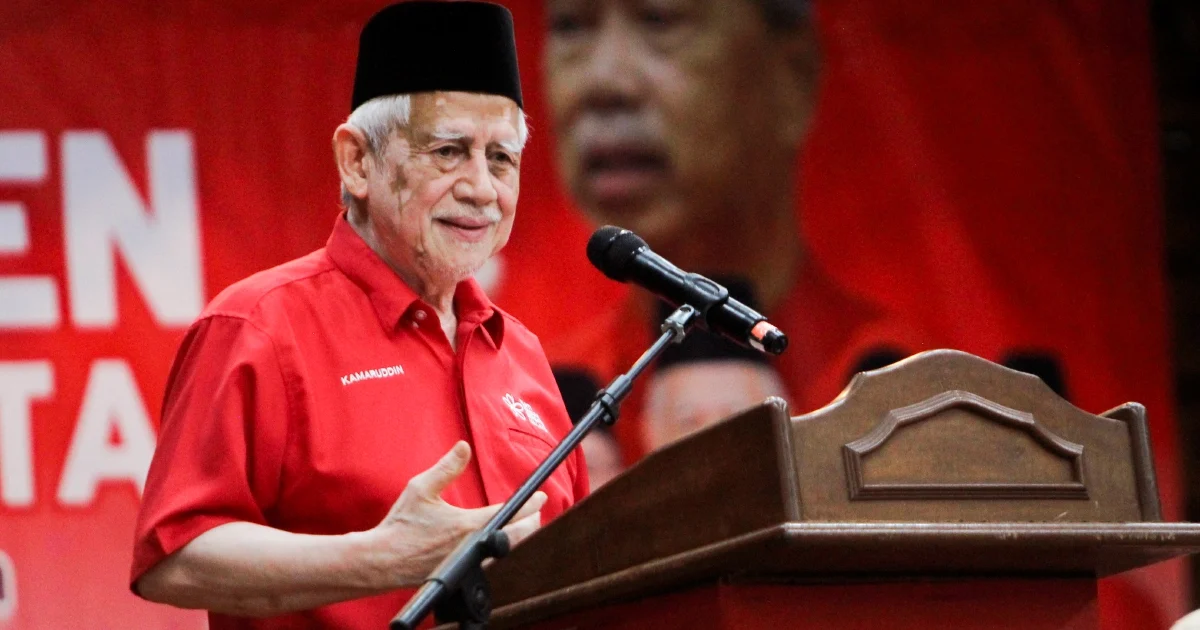
The Bersatu division in Kelantan has taken a measured stance toward Perikatan Nasional's recent restructuring of its upper echelon, demonstrating little visible disturbance over the removal of two prominent political figures from the coalition's command hierarchy. The decision to sideline Datuk Seri Mohamed Azmin Ali and Datuk Dr Mohd Radzi Md Jidin marks a significant reconfiguration of the PN apparatus, yet observers in Kelantan's state branch suggest they anticipated such a move might eventually materialise.
The timing and nature of the reshuffle within PN reflect broader fissures within the opposition coalition that has been attempting to position itself as an alternative government. The removal of both men signals potential shifts in power dynamics and strategic direction that could reshape the political landscape heading toward the next general election. For Kelantan Bersatu specifically, the development appears to have been absorbed as a relatively predictable administrative consequence rather than a shocking organisational upheaval.
Understanding the context requires examining PN's composition and internal tensions. The coalition, which emerged as a consequential force in Malaysian politics following the 2022 general election, has grappled with maintaining unity among constituent parties with competing interests and ideological emphases. Bersatu, under Tan Sri Muhyiddin Yassin's leadership, has positioned itself as the dominant anchor within PN, often setting the strategic direction despite the presence of other significant partners including PAS, which holds considerable influence particularly in East Coast states like Kelantan.
The exclusion of Azmin Ali carries particular significance given his previous roles and political trajectory. Azmin has been a central figure across multiple political administrations and coalitions, and his relegation from PN's top tier indicates shifting alliance calculations. Similarly, Dr Radzi's removal suggests that certain power brokers within the coalition have decided to consolidate leadership around a more concentrated group of decision-makers, potentially reflecting dissatisfaction with their performance or influence.
For Kelantan Bersatu members and supporters, accepting this decision without apparent rancour suggests either genuine alignment with the national party's strategic judgment or pragmatic recognition that internal coalition disputes rarely serve regional branches well. The state-level organisation appears to have calculated that loyalty to the broader PN structure serves its interests better than mounting resistance to decisions made at the national level. This measured response contrasts with the potentially destabilising impact such removals might generate in a less cohesive political structure.
The political implications for East Coast politics deserve particular attention. Kelantan, governed by PAS since 1990, exists within a complex regional ecosystem where PN operates as the opposition force. Bersatu's presence in the state is subordinate to PAS dominance, and major strategic decisions affecting the coalition's direction typically emanate from national headquarters. By demonstrating composure regarding the leadership restructuring, Kelantan Bersatu positions itself as a stable, compliant partner within the PN framework, potentially enhancing its standing with central party leadership.
Regional observers note that such wholesale changes to coalition leadership structures often precede significant campaign cycles or policy shifts. The removal of these two figures may signal PN's intention to reorient its messaging, clarify its political positioning, or address internal concerns about representation and direction. Whether Kelantan Bersatu's apparent acceptance reflects genuine confidence in the new trajectory or diplomatic silence on internal disagreements remains to be seen through subsequent political developments.
The economic and governance implications for ordinary Malaysians extend beyond coalition politics. When opposition structures undergo significant leadership changes, questions naturally arise about policy continuity, strategic priorities, and the competency of replacement figures. PN has positioned itself as offering an alternative vision for national development and administration, making leadership consistency and credibility particularly important for voters evaluating competing options.
Looking forward, the true test of whether Kelantan Bersatu's acceptance represents genuine harmony or managed tension will emerge as the coalition navigates upcoming political challenges. Whether the restructured leadership delivers the strategic clarity and effectiveness PN hopes to achieve will influence not only coalition cohesion but also voter perceptions heading into the electoral calendar. For now, the Kelantan division's dignified acceptance of the national party's decision maintains surface unity while leaving questions about deeper organisational realignments unresolved.

%22%2F%3E%3C%2Fpattern%3E%3C%2Fdefs%3E%3Crect%20width%3D%22100%25%22%20height%3D%22100%25%22%20fill%3D%22url(%23ph3j096g)%22%2F%3E%3Crect%20width%3D%22100%25%22%20height%3D%22100%25%22%20fill%3D%22url(%23ph3j096p)%22%2F%3E%3Ctext%20x%3D%2250%25%22%20y%3D%2250%25%22%20text-anchor%3D%22middle%22%20dominant-baseline%3D%22central%22%20fill%3D%22rgba(255%2C255%2C255%2C0.95)%22%20font-family%3D%22Georgia%2C%20'Times%20New%20Roman'%2C%20serif%22%20font-weight%3D%22700%22%20font-size%3D%22320%22%20letter-spacing%3D%22-0.02em%22%3EGRS%3C%2Ftext%3E%3C%2Fsvg%3E)