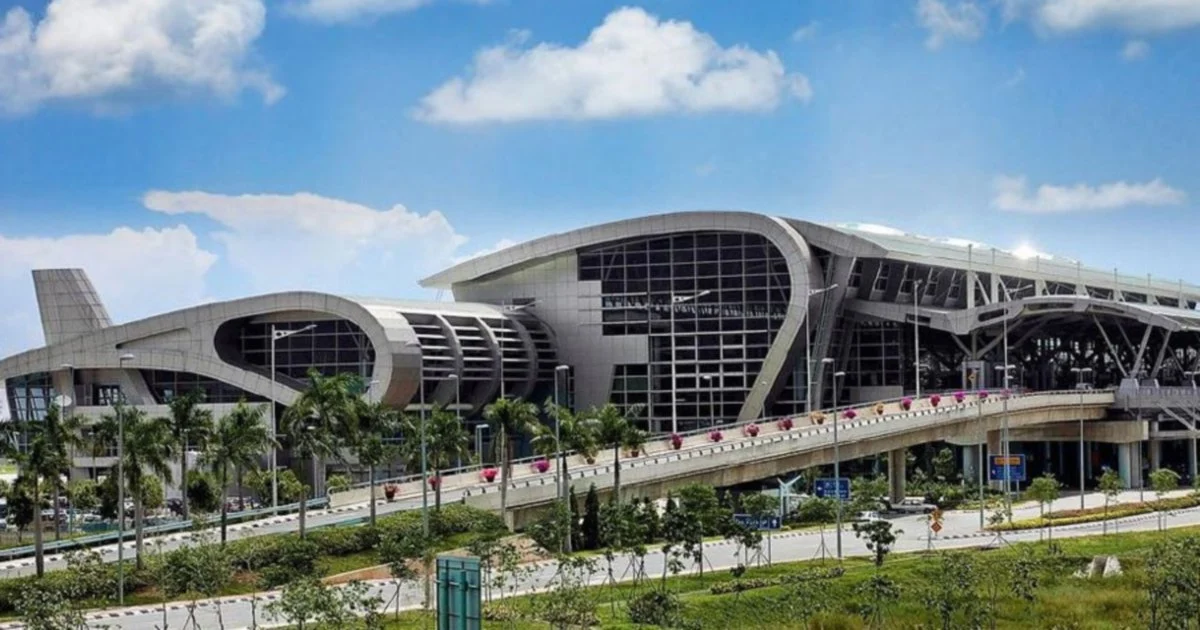
A multimillion-ringgit modernisation drive at Kota Kinabalu International Airport faces timing uncertainties as authorities sort through property and jurisdictional complications with the Sabah government. Deputy Transport Minister Datuk Hasbi Habibollah indicated that the scheme, valued at nearly RM500 million, cannot progress to its construction phase until these administrative and logistical barriers are overcome in negotiations between federal and state stakeholders.
The expansion project represents a significant infrastructure commitment aimed at enhancing Sabah's gateway to the world and reflects broader federal efforts to upgrade regional aviation facilities. For Malaysia's eastern state, upgraded airport capacity carries substantial economic implications, potentially unlocking increased tourism flows and supporting business connectivity across Southeast Asia's bustling maritime trade routes. The delay, however, illustrates a recurring challenge in Malaysian infrastructure development: the need for multi-level governmental coordination and clarity on land tenure when projects touch state-managed properties.
The nature of the complications remains partly opaque from official statements, though such obstacles typically involve questions of land boundaries, compensation arrangements, and alignment of state and federal development visions. Sabah, as with other Malaysian states, retains significant control over land matters within its jurisdiction, creating potential friction points when federal projects require territorial adjustments or site modifications. The Kota Kinabalu airport project likely necessitates not merely clearing existing plots but potentially acquiring adjacent parcels or securing formal agreements over usage rights that cross traditional property lines.
Datuk Hasbi's acknowledgment that negotiations with Sabah remain ongoing suggests neither party faces imminent deadlock. Rather, the parties appear engaged in methodical discussion aimed at reaching consensus. Such deliberation, while sometimes frustrating to those seeking rapid project completion, reflects the complexity of modern infrastructure development in a federal system where state autonomy and national development goals must coexist peacefully. The transport ministry's willingness to publicise the issue may also serve to expedite resolution by keeping the matter in focus for senior officials from both the federal and state administrations.
For Sabah, the airport's expansion carries symbolic and practical weight. Kota Kinabalu serves as the primary international air hub for Malaysia's most northeastern territory, handling passengers bound for islands, beach resorts, and commercial centres across the region. A larger, more capable facility would enhance the state's competitive standing in attracting regional business hubs, international conferences, and tourism-related investment. The RM500 million commitment from the federal government signals confidence in Sabah's economic trajectory and validates long-standing calls from state leaders for enhanced infrastructure spending in the region.
The delay also reflects a broader pattern within Malaysian public sector project management, where enthusiasm for new schemes occasionally outpaces the groundwork necessary to execute them smoothly. Land issues, while sometimes appearing bureaucratic or purely technical, typically carry deeper implications for existing communities, property holders, and environmental considerations. Rushing through such complications without proper resolution can invite legal challenges, public opposition, or operational difficulties once construction begins, making the current measured approach potentially more prudent than accelerated timelines might suggest.
Internationally, airport infrastructure holds particular importance for Southeast Asian nations competing for connectivity supremacy and positioning themselves as regional hubs. The upgrade to KKIA, once completed, will contribute to Malaysia's aviation network's overall capacity and efficiency. Neighbouring countries are simultaneously investing heavily in airport modernisation—Thailand, Indonesia, and the Philippines have all pursued substantial terminal and runway expansions—creating a regional competition for passenger traffic and cargo operations that makes Malaysia's own upgrades strategically necessary.
The financial scale of nearly RM500 million underscores the seriousness of this undertaking, placing it among the more substantial aviation infrastructure projects currently planned in Malaysia. Such expenditure necessarily requires careful planning and firm fiscal grounding, lending further credibility to the suggestion that officials are proceeding methodically rather than racing toward a hasty agreement. The deputy minister's public comments also serve as a reminder to stakeholders that while timelines may slip, commitment to the project itself remains solid at the federal level.
Moving forward, observers will watch for signals from Sabah's state government regarding progress in these discussions. Official statements from Kota Kinabalu might indicate whether negotiations are trending toward resolution or whether deeper disagreements on the project's parameters persist. Either way, the fact that senior federal officials are publicly discussing the hurdles demonstrates an effort to maintain momentum and keep the expansion on Malaysian infrastructure planners' active agenda rather than allowing it to drift into indefinite postponement.
For the broader aviation sector and businesses dependent on efficient Sabah-based connectivity, clearing these administrative hurdles remains a priority. Tourism operators, shipping companies, and the service industries clustered around modern airports all stand to benefit from an enhanced facility. Once the land complications are resolved and construction commences, the project is likely to proceed with relative efficiency, completing a chapter in Sabah's long journey toward infrastructure parity with Malaysia's more developed western regions.

