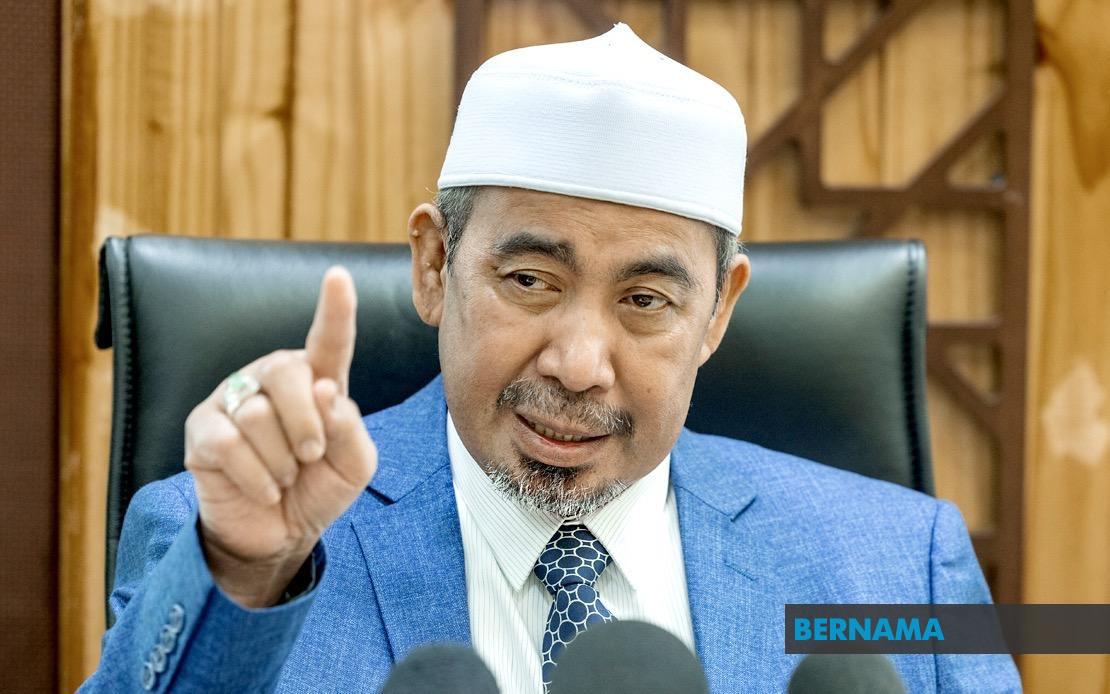
The Kota Bharu Integrated Bus Station Terminal, a major infrastructure initiative for Kelantan, has encountered significant delays in its critical soil preparation phase. According to Datuk Dr Izani Husin, the state's Public Works, Infrastructure, Water and Rural Development Committee chairman, the project is now running three weeks behind its planned timeline, with actual physical progress standing at 40.07 per cent against a scheduled advancement of 47.26 per cent at this stage of work.
The shortfall has emerged during what project managers regard as a foundational phase essential to the terminal's structural integrity. Izani attributed the setback primarily to adverse weather conditions that have persistently affected the Kota Bharu site in recent weeks. The Kelantan state capital has experienced near-daily thunderstorms occurring particularly during evening and night hours, resulting in water accumulation across the construction area and preventing the soil from drying sufficiently for subsequent work phases.
Beyond rainfall, technical complications surrounding the installation of prefabricated vertical drains have compounded scheduling difficulties. These specialised drainage systems, designed to accelerate the natural drying process of waterlogged construction soil, represent a critical intermediate step before the main terminal building can rise. Their delayed deployment has directly contributed to the overall project lag, creating a cascading effect on the construction timeline.
Despite the current disruption, Kelantan's authorities have moved to reassure stakeholders about the project's ultimate viability. Izani stated that soil treatment work remains targeted for completion on May 17, 2027, which aligns with the conclusion of the current contract period. This assertion suggests confidence that the existing 21-day gap can be recovered through accelerated work during the drier months ahead, or that schedule flexibility within the contract permits the current pace without formally extending deadlines.
The soil preparation phase serves as a prerequisite gateway for the next construction stage. Izani clarified that the actual terminal building construction cannot commence until June 2027 at the earliest, once soil treatment concludes. This sequential dependency means that any further delays in the current phase would necessarily compress the available timeframe for erecting the main terminal structure, potentially creating pressure on subsequent contractors and subcontractors.
The KB Sentral project itself represents a significant undertaking for Kelantan state, reflecting years of planning and coordination aimed at modernising regional transport infrastructure. The facility is designed to serve as a consolidated hub for bus operations within Kota Bharu and surrounding areas, consolidating services that are currently dispersed across multiple locations throughout the city.
Control of the project recently transferred to Kelantan state government following unsuccessful negotiations with Perak Transit, the private sector partner originally involved in the development. Kelantan Deputy Menteri Besar Datuk Dr Mohamed Fadzli Hassan indicated that the state assumed direct oversight because time constraints necessitated more agile decision-making and project management than the private partnership framework was providing. This shift to state-led execution has implications for funding arrangements, accountability structures, and the pace of development.
The project's experience with weather disruptions reflects broader challenges affecting infrastructure construction throughout Malaysia's east coast, where monsoon patterns and tropical rainfall create seasonal bottlenecks for outdoor construction activities. Contractors working in Kelantan must routinely factor such weather dependencies into project scheduling, yet the intensity and persistence of recent rains appear to have exceeded normal seasonal expectations, prompting the significant delay assessment.
For Kelantan residents and stakeholders anticipating improved public transport infrastructure, the revised timeline indicates that the terminal facility will not become operational until well into 2028 or beyond, contingent on how efficiently construction proceeds once soil treatment concludes. The gap between the current phase completion and building commencement—June 2027—also suggests potential for further delays if soil conditions remain problematic or if mobilisation of building contractors faces obstacles.
The prefabricated vertical drain technology being employed represents contemporary engineering practice for accelerating soil consolidation, indicating that project designers have attempted to mitigate weather-related delays through appropriate technical selection. However, the effectiveness of such systems depends on adequate dry periods to function optimally, a luxury that recent monsoon conditions have not afforded.
The Kota Bharu Integrated Bus Station exemplifies the infrastructure modernisation initiatives that Malaysian states are pursuing to enhance regional connectivity and urban development. The delay, whilst regrettable from a scheduling perspective, does not appear to signal fundamental project viability concerns, but rather reflects the practical complexities of executing large-scale construction during Malaysia's wet season. How efficiently Kelantan's project management adapts to continued rainfall challenges will determine whether the May 2027 soil completion target remains achievable or whether further adjustments become necessary.

