%22%2F%3E%3C%2Fpattern%3E%3C%2Fdefs%3E%3Crect%20width%3D%22100%25%22%20height%3D%22100%25%22%20fill%3D%22url(%23ph4y4bjg)%22%2F%3E%3Crect%20width%3D%22100%25%22%20height%3D%22100%25%22%20fill%3D%22url(%23ph4y4bjp)%22%2F%3E%3Ctext%20x%3D%2250%25%22%20y%3D%2250%25%22%20text-anchor%3D%22middle%22%20dominant-baseline%3D%22central%22%20fill%3D%22rgba(255%2C255%2C255%2C0.95)%22%20font-family%3D%22Georgia%2C%20'Times%20New%20Roman'%2C%20serif%22%20font-weight%3D%22700%22%20font-size%3D%22272%22%20letter-spacing%3D%22-0.02em%22%3EJohor%3C%2Ftext%3E%3C%2Fsvg%3E)
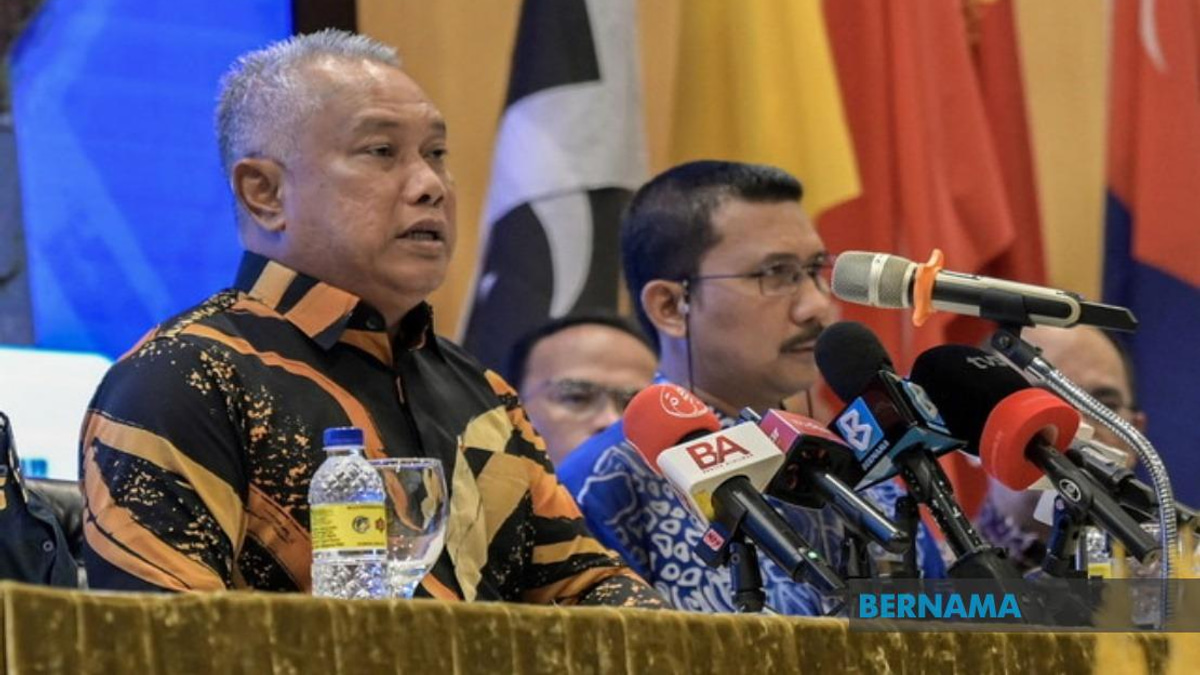
Johor Menteri Besar Onn Hafiz Sadzali has pushed back against the notion that commanding visibility as a political party's leading campaign figure translates directly into securing Malaysia's most powerful state executive office. In remarks made in Johor Bahru on June 18, the incumbent leader highlighted the distinction between campaign prominence and the substantive qualifications necessary for appointment to the position of Menteri Besar—a crucial distinction that reflects deeper currents within Malaysian political leadership selection.
Onn Hafiz's statement emerged in the context of ongoing discussions about succession planning and political positioning within the state and national party structures. His comments suggest growing conversations about what criteria should properly determine eligibility for high office, particularly in a federal system where constitutional protocols, party endorsements, and federal-state political alignment all influence such consequential appointments. The issue carries particular resonance for Johor, historically Malaysia's most politically significant state and home to influential kingmaking figures whose preferences shape national politics.
The Menteri Besar position carries enormous weight within Malaysia's political architecture. As the chief executive of Southeast Asia's second-largest state economy, the officeholder commands substantial budgetary authority, controls extensive patronage networks, and frequently serves as a springboard for federal-level prominence. Johor specifically has produced multiple Prime Ministers and holds outsized influence within Umno-led administrations. This amplifies the importance of how appointments are made and what qualities decision-makers emphasise when evaluating candidates.
Onn Hafiz's remarks implicitly challenge any assumption that election campaign effectiveness or voter-facing prominence should be the primary metric for state leadership advancement. While campaigning successfully demonstrates certain valuable skills—connecting with voters, articulating party messaging, building grassroots momentum—the transition to executive governance demands different competencies. Administrative capability, policy expertise, coalition management, and relationships with key stakeholders including royalty often prove decisive in determining who ultimately receives such appointments.
Within the Malaysian system, the Sultan of Johor retains formal authority to appoint the Menteri Besar, though this power operates within conventional limits reflecting party strength in the state assembly. The interplay between royal prerogative, majority party preference, and factional dynamics within the ruling coalition creates a complex environment where multiple power centres must align for such appointments to proceed. No single criterion—campaign prominence included—can guarantee success within this multifaceted framework.
The statement also reflects awareness that visible campaign roles, while politically valuable, sometimes generate expectations that exceed actual power-granting mechanisms. A politician might dominate election publicity without necessarily commanding the consensus among party elders, state legislators, or senior federal figures whose backing proves essential for major appointments. Onn Hafiz appears to be tempering potential speculation by younger or ambitious colleagues that prominent campaign participation alone should secure them future advancement.
For Malaysian observers and particularly Johor voters, this distinction matters considerably. It suggests that the state's leadership will be selected through traditional gatekeeping processes rather than purely democratic popular preference. While this system has advantages in ensuring administrative continuity and factional balance, it also means that campaign popularity does not automatically translate into high office—a reality that may frustrate those seeking more transparent, performance-based advancement systems.
The comments also carry implications for understanding how Malaysian political parties manage expectations internally. Parties routinely field high-profile candidates for visibility and voter engagement without necessarily intending them for senior executive roles. Managing the boundary between campaign utility and governance positioning prevents internal tensions and disappointed ambitious figures who miscalculate their actual chances of advancement. Onn Hafiz's clarity on this point serves both to reset such expectations and to reinforce that traditional power brokers remain central to succession decisions.
Looking forward, his remarks suggest that Johor's political future will be determined through conventional channels emphasising experience, factional support, and alignment with royal and federal interests rather than through models emphasising electoral popularity or campaign performance metrics. This reflects Malaysia's broader system where party leadership structures and constitutional mechanisms still substantially override direct democratic selection methods for executive appointments. For anyone aspiring to lead Johor, understanding these operational realities proves more valuable than any campaign billboard.