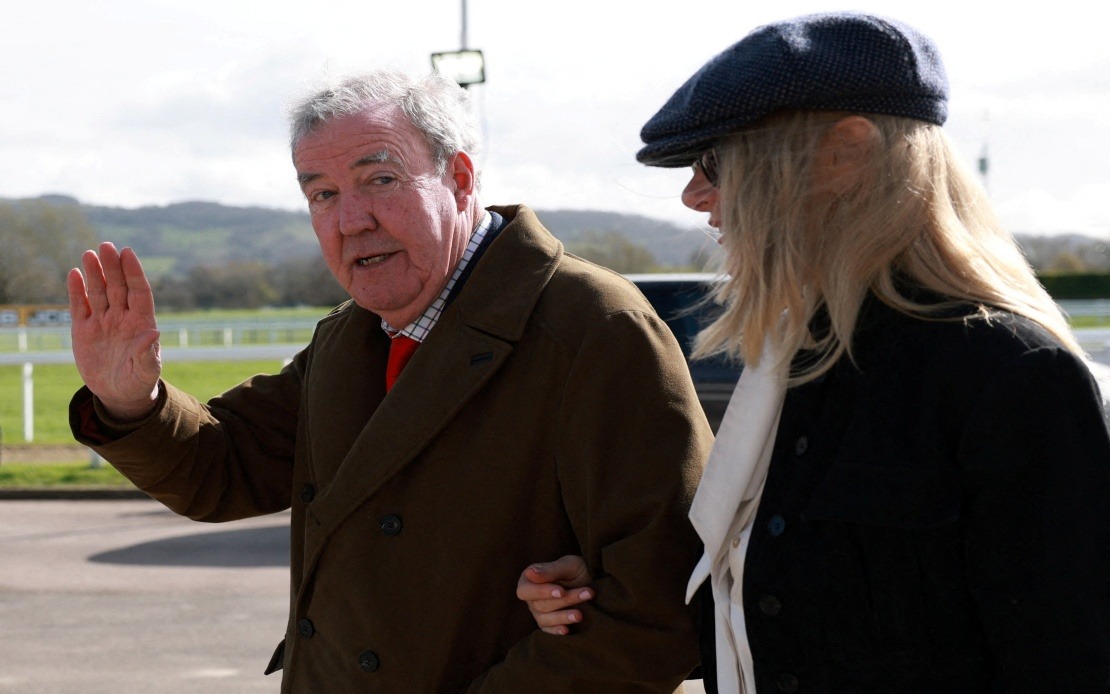
Jeremy Clarkson, the 66-year-old British television personality best known for presenting automotive and lifestyle programmes, has publicly disclosed that he has been diagnosed with prostate cancer. The broadcaster revealed his health condition during discussions with farm manager Kaleb Cooper and land agent Charlie Ireland as they were planning harvest operations, indicating that the disclosure emerged naturally during conversations centred on his working farm. This candid admission, made while still engaged in routine farm management decisions, underscores how the diagnosis has become an inextricable part of his current life experience.
Clarkson subsequently detailed his medical journey across the concluding episodes of his farming reality series, explaining that he has already undergone a surgical procedure to address the cancer. The operation involved removing a portion of his prostate gland—specifically the ten percent that contained the cancerous growth—with the presenter emphasising his cautious optimism about the procedure's effectiveness. However, his prognosis remains uncertain, with the broadcaster indicating he will not have clarity on the surgical outcome until sometime in November, a timeline that reflects the standard monitoring protocols required following prostate cancer treatment.
The televised revelation took on additional poignancy when Clarkson addressed viewers from a hospital bed in the season finale, acknowledging complications that emerged during his treatment course. His comment about beginning the fifth season from a hospital bed and ending it in the same setting served as a stark visual reminder of his health struggles throughout the production period. This transparency about experiencing treatment complications demonstrates Clarkson's willingness to document his medical journey publicly, potentially normalising discussions about prostate cancer among his substantial viewing audience.
Clarkson has framed his future involvement with the series conditional upon the surgical intervention's success. Speaking directly to viewers, he articulated his intention to return for a sixth season if his recovery proceeds as hoped, whilst acknowledging the possibility that he may not be able to continue if the treatment proves unsuccessful. This candid assessment reflects a mature approach to his health circumstances, and the production team has already scheduled the next season for airing in 2027, providing adequate time for his recovery and medical follow-up assessments.
This health diagnosis arrives against the backdrop of Clarkson's recent medical history, which has included significant cardiovascular concerns. Nearly two years prior to his cancer diagnosis, Clarkson underwent a heart procedure that necessitated the implantation of two stents designed to restore proper blood flow to his cardiac tissue. Following that intervention, medical professionals advised him to substantially reduce his work commitments, with his physician recommending golf as a preferable alternative activity. These cumulative health challenges within a relatively short timeframe paint a picture of a broadcaster navigating serious medical issues whilst maintaining his professional commitments.
Clarkson's journey to better health has also involved addressing lifestyle factors that contributed to his medical risks. The presenter had previously quit smoking after suffering pneumonia whilst holidaying in Spain, recognising the necessity of eliminating major health risk factors. His proactive approach to dietary and lifestyle modifications demonstrates an awareness of how personal choices directly influence health outcomes, particularly relevant given his age and previous cardiovascular concerns.
Since transitioning to farming in 2019 and launching his subsequently successful rural reality series, Clarkson has become an increasingly prominent advocate for agricultural interests and farmer welfare. His farm operations have provided both the setting for his television programme and a genuine business that has deepened his engagement with agricultural communities. This credibility within farming circles has given him a platform to voice concerns affecting the industry, culminating in his attendance at a major farmer protest in London in November 2024, where he joined demonstrations opposing the United Kingdom government's proposed inheritance tax implications for agricultural land holdings.
The prostate cancer diagnosis carries broader significance for Malaysian and Southeast Asian audiences, particularly in raising awareness about male health screening and cancer prevention. Prostate cancer remains one of the most prevalent malignancies affecting men globally, yet many men in the region delay seeking medical attention or underestimate the importance of regular health check-ups. Clarkson's public disclosure, delivered with the straightforward communication style he has cultivated across decades of broadcasting, may encourage men—particularly those in their sixties and beyond—to engage with healthcare professionals about screening options and risk factors.
Clarkson's case also illustrates how serious health diagnoses can intersect with professional commitments and personal identity. For a broadcaster whose career has centred on presenting and on-camera work, a cancer diagnosis forces difficult conversations about longevity, legacy, and the continuation of projects that have come to define his public persona. His willingness to discuss these uncertainties openly, rather than retreating from public view, offers a different narrative around cancer diagnosis—one centred on continuity and hope rather than solely on illness and limitation.
The timeline for Clarkson's recovery and the eventual return of season six in 2027 will likely attract sustained media attention and public interest. His condition serves as a reminder that serious health conditions can affect anyone, regardless of profession, wealth, or public profile. For his audience, whether following his automotive programmes or his rural reality series, this disclosure adds a human dimension to his public persona, demonstrating vulnerability alongside his characteristic confidence and resilience.