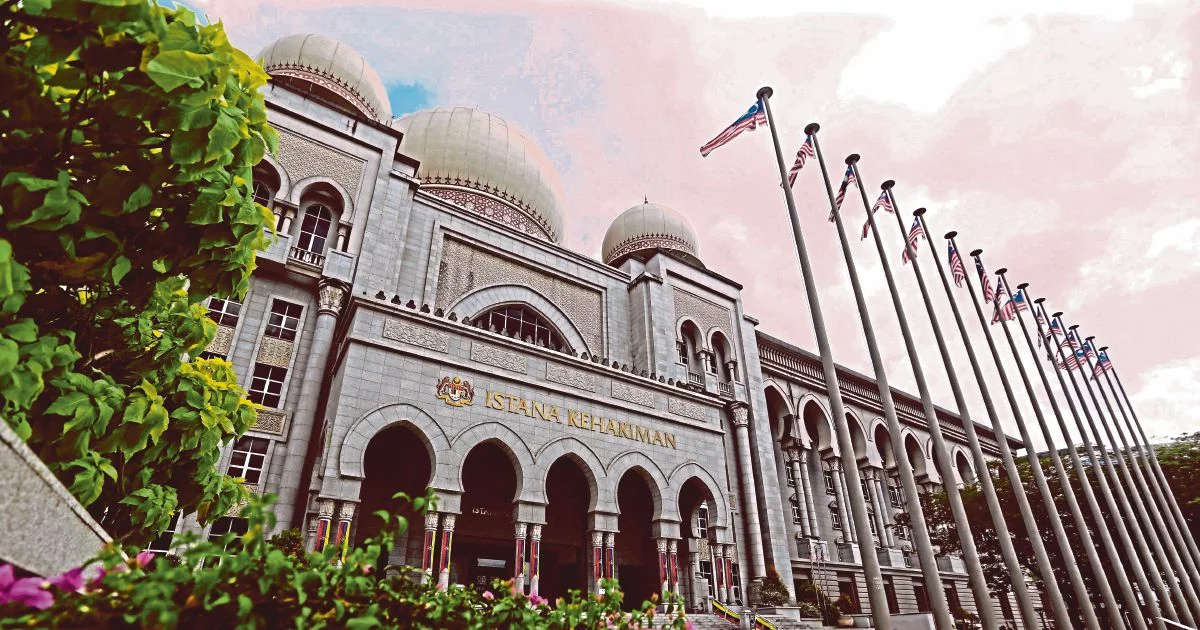
The Malaysian judiciary is bracing for another intensely scrutinised week as two politically significant cases proceed through the courts. The conviction review of Datuk Seri Mohd Isa Abdul Samad, the former chairman of the Federal Land Development Authority (Felda), represents a pivotal moment in a long-running legal saga that has captivated public interest for years. Simultaneously, proceedings against former military leader Tan Sri Muhammad Hafizuddeain Jantan in connection with money laundering allegations will keep the spotlight on high-ranking officials facing criminal prosecution.
Isa Samad's case exemplifies the complex intersection of politics and the law in Malaysia. His conviction on corruption charges had substantial ramifications for the nation's governance and public trust in institutional leadership. The review of his conviction now underway represents a critical juncture where legal arguments will be reheard and examined afresh. Such appellate proceedings are rarely routine, particularly when they involve former heads of significant state-linked entities like Felda, which administers land schemes affecting tens of thousands of smallholder farmers nationwide. The outcome could carry broader implications for how Malaysian courts address historical corruption convictions and the strength of the legal evidence underlying such determinations.
Felda itself occupies a central position in rural Malaysian society, having been instrumental in land settlement, agricultural development, and poverty alleviation since its establishment. When the organisation's leadership becomes embroiled in corruption allegations, it affects not only institutional credibility but also the livelihoods and confidence of the farming communities dependent on its schemes. The Isa Samad review must therefore be viewed through both a legal and socioeconomic lens, as any judicial determination will send signals about institutional accountability within state enterprises.
Meanwhile, the money laundering trial of Tan Sri Muhammad Hafizuddeain Jantan reflects deepening scrutiny of high-ranking military officers and their financial dealings. The Malaysian Armed Forces occupy a position of considerable institutional influence and public respect. When senior military figures face criminal allegations, the stakes extend beyond individual culpability to encompass broader questions about internal oversight, financial governance within defence structures, and public confidence in the armed services.
Money laundering investigations typically involve complex financial forensics, requiring prosecutors to demonstrate flows of illicit funds through banking systems and commercial transactions. Such cases demand detailed documentary evidence and expert testimony to establish the origins of suspicious funds and the intent behind their movement. The trial of the former army chief will likely involve substantial technical and financial evidence that courts must carefully evaluate to reach just conclusions.
The convergence of these two high-profile cases within the same week underscores the demanding docket facing Malaysian courts in addressing accountability among senior officials. Both matters have attracted significant media coverage and public discourse, reflecting legitimate democratic interest in how institutions hold their leaders accountable. The judiciary's handling of such cases carries weight not merely for individual defendants but for broader perceptions of institutional integrity and the rule of law.
For Malaysian citizens and regional observers alike, these proceedings represent important tests of judicial independence and consistency. The cases demonstrate that no position—whether in civilian administration or military hierarchy—is beyond legal scrutiny. This principle of equality before the law remains fundamental to any functioning democracy, though its practical application in cases involving powerful individuals frequently generates public discussion about fairness and preferential treatment.
The broader context includes Malaysia's ongoing efforts to strengthen anti-corruption and anti-money laundering frameworks. International bodies have scrutinised the nation's compliance with financial crime prevention standards, making high-profile prosecutions of elite figures particularly significant. Successful prosecutions reinforce the credibility of Malaysia's legal institutions in tackling financial crimes, while conversely, perceived failures or delays undermine confidence in institutional capabilities.
These cases also intersect with Malaysia's political landscape, given the public prominence of both individuals and the attention garnered by corruption allegations affecting senior officials across different governmental spheres. The public proceedings provide transparency into how the judicial system processes such matters, allowing citizens to observe whether evidence meets required standards and whether verdicts rest on sound legal reasoning.
For the legal profession and policy makers, these trials offer instructive precedents regarding investigative practices, prosecutorial strategy, and evidentiary standards in complex financial crime cases. Defence counsel arguments and judicial rulings may establish legal principles affecting future prosecutions, particularly regarding burden of proof, admissibility of financial documentation, and interpretation of money laundering statutes.
The coming week therefore represents more than routine court business. These proceedings embody fundamental questions about accountability, institutional integrity, and the capacity of Malaysia's legal system to address wrongdoing at the highest levels of government and military structures. Observers across Southeast Asia will monitor how these cases develop, as they reflect broader regional patterns of anti-corruption efforts and judicial performance. The decisions reached and legal principles articulated may extend implications beyond Malaysia's borders, influencing understandings of how established democracies manage institutional accountability for their most senior officials.

%22%2F%3E%3C%2Fpattern%3E%3C%2Fdefs%3E%3Crect%20width%3D%22100%25%22%20height%3D%22100%25%22%20fill%3D%22url(%23ph315z3g)%22%2F%3E%3Crect%20width%3D%22100%25%22%20height%3D%22100%25%22%20fill%3D%22url(%23ph315z3p)%22%2F%3E%3Ctext%20x%3D%2250%25%22%20y%3D%2250%25%22%20text-anchor%3D%22middle%22%20dominant-baseline%3D%22central%22%20fill%3D%22rgba(255%2C255%2C255%2C0.95)%22%20font-family%3D%22Georgia%2C%20'Times%20New%20Roman'%2C%20serif%22%20font-weight%3D%22700%22%20font-size%3D%22194%22%20letter-spacing%3D%22-0.02em%22%3EBersatu%3C%2Ftext%3E%3C%2Fsvg%3E)