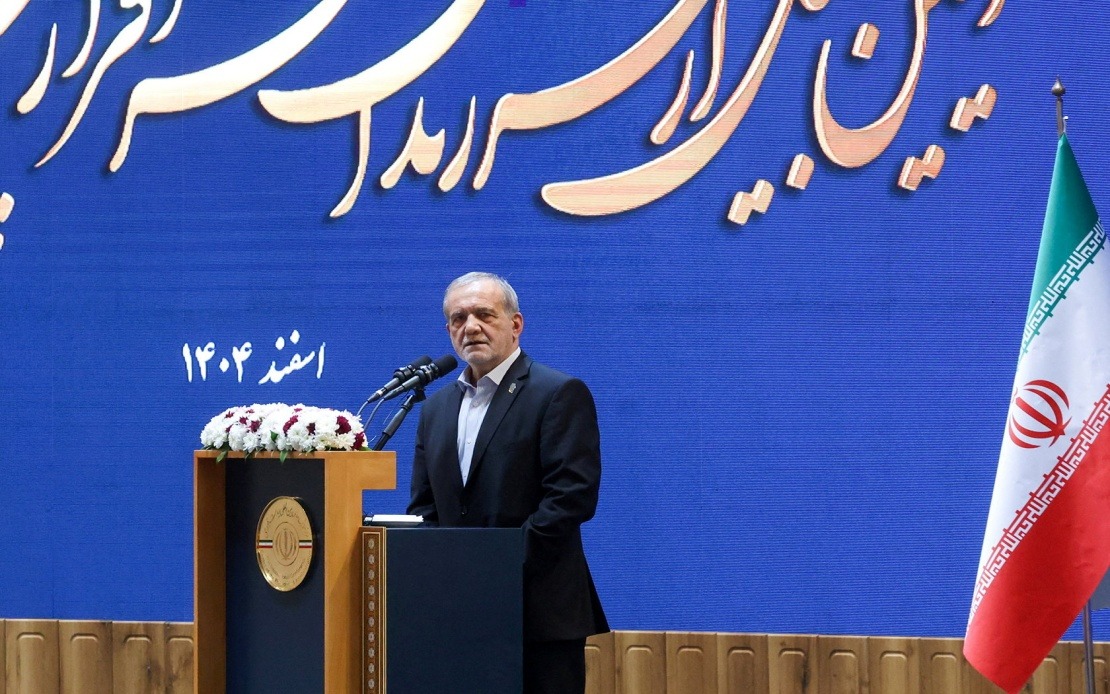
Iranian President Masoud Pezeshkian has signalled his government's potential willingness to commit in writing to abandoning nuclear weapons development, marking a notable shift in Tehran's public posture on a matter that has defined decades of international tensions. Speaking on the diplomatic developments unfolding in Switzerland, where Iranian and American representatives have begun fresh talks aimed at securing a lasting peace agreement, Pezeshkian stated that Iran could formalise its nuclear intentions through a written declaration if circumstances warrant such a step. The statement represents part of a broader diplomatic opening following the two nations' signing of a memorandum of understanding earlier in the week, a preliminary accord designed to pave the way for comprehensive negotiations.
The framework agreement between Iran and the United States establishes a compressed timeline for resolving perhaps the most contentious aspect of their relationship. Both sides have committed to reaching a final settlement within sixty days, with Iran's nuclear programme remaining the central point of contention. This deadline reflects the urgency both nations are attaching to the process, acknowledging that protracted negotiations have historically failed to produce lasting results. For Malaysia and other Southeast Asian nations closely monitoring regional stability, such progress carries significance beyond the immediate parties involved, as a resolution could reshape Middle Eastern geopolitical calculations and influence energy market dynamics affecting the broader Asian region.
Pezeshkian's comments regarding a potential written pledge carry particular weight given Iran's historical resistance to external oversight of its nuclear activities. The president emphasised that the Islamic Republic's leadership has consistently maintained it harbours no ambitions to develop nuclear weapons as a matter of official policy. However, the gap between declared intentions and international verification mechanisms has repeatedly frustrated negotiating partners. The willingness to put such commitments into formal written language could address long-standing credibility concerns that have plagued previous diplomatic efforts, though sceptics will note that declarations alone, without robust inspection regimes, provide limited assurance.
The Iranian president also referenced his predecessor Ali Khamenei, noting that the former supreme leader had rejected weapons of mass destruction on religious grounds. This framing of nuclear restraint as rooted in Islamic principles rather than external pressure represents an attempt to anchor Iran's position in ideological rather than pragmatic terms, potentially making such commitments more durable domestically. Within Iran's political system, legitimising nuclear abstinence through religious authority could facilitate domestic acceptance of international agreements that might otherwise face opposition from hardliners who view any nuclear limitation as capitulation.
Pezeshkian expressed cautious optimism about the ongoing negotiations, characterising the agreements reached so far as substantially favouring Iranian interests. This assessment suggests that initial rounds of talks have produced concessions from the American side, though both parties maintain that final arrangements remain subject to further discussion. The president's confidence in the process may reflect tactical positioning, as public expressions of satisfaction could influence upcoming negotiating sessions and shape domestic political narratives within Iran. For observers in Malaysia and across Southeast Asia, such signals offer tentative hope that diplomatic channels remain open despite years of acrimony.
A significant incentive for Iran's cooperative stance involves the potential release of approximately six billion US dollars in frozen Iranian assets currently held in Qatar. This financial relief holds substantial importance for an Iranian economy straining under years of international sanctions. The prospect of accessing these funds has plainly motivated Iran's participation in the current round of talks, providing tangible evidence that both nations recognise mutual benefit in achieving settlement. For countries in this region dependent on stable energy supplies and financial markets, a resolution facilitating Iran's economic participation could contribute to broader regional stability.
The negotiations in Switzerland represent a departure from the confrontational rhetoric that has dominated Iranian-American relations for decades. The decision to engage in serious diplomatic efforts at this moment reflects shifting calculations on both sides, though fundamental disagreements about Iran's ultimate intentions persist among certain American political constituencies. Within the broader Middle Eastern context, Iran's willingness to discuss nuclear limitations may signal recognition that the costs of continued isolation exceed benefits, particularly given economic pressures and regional military developments.
For Malaysia and other non-aligned nations, Iran's potential written declaration would address concerns about nuclear proliferation in a strategically vital region. Southeast Asia has long sought stability in the Middle East given trading relationships and energy dependencies, making Iranian nuclear restraint a matter of indirect but genuine regional interest. A successful conclusion to these negotiations could also establish precedent for resolving other intractable international disputes through sustained dialogue rather than military or economic coercion.
The sixty-day window established by the framework agreement will prove critical in determining whether these preliminary understandings can translate into durable agreements. Both sides face domestic political pressures that could derail negotiations, with Iranian hardliners potentially objecting to what they view as excessive concessions, while American political opponents may resist any accord with Tehran. The successful navigation of these internal political landscapes will prove as important as the technical substance of any agreement. For Malaysia's policymakers and regional observers, monitoring how both nations manage these domestic constraints will offer insights into whether the current diplomatic window can produce lasting results or ultimately close, returning the region to confrontation.