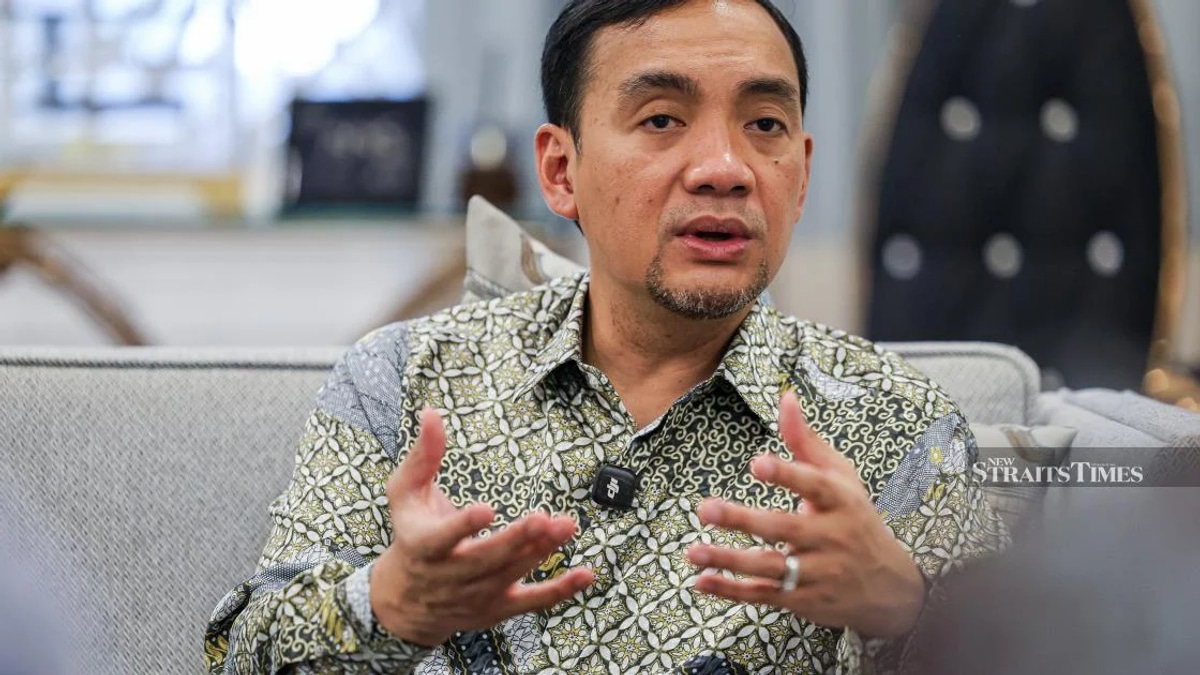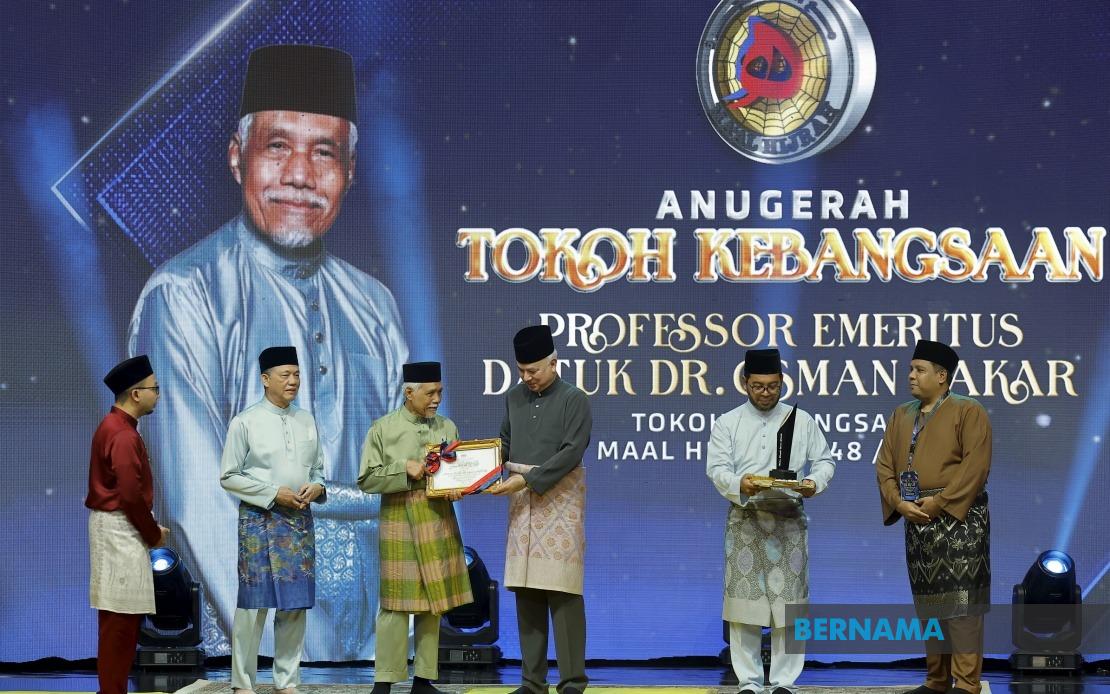
Prof Emeritus Datuk Dr Osman Bakar, Rector of the International Islamic University Malaysia, has been bestowed the National Tokoh Maal Hijrah award in recognition of his contributions to Islamic scholarship and institutional leadership. The accolade was presented during the national-level Maal Hijrah 1448H/2026 celebration held at Putra Mosque in Putrajaya on June 17, where senior government officials gathered to mark the Islamic New Year occasion.
The recognition carries particular significance given Bakar's long tenure in advancing IIUM's academic mission and his role in promoting Islamic thought across the region. Tokoh Maal Hijrah honours are typically bestowed upon individuals who have demonstrated exemplary service to Islam and society, making this selection a notable acknowledgment of his scholarly endeavours and institutional stewardship.
Parallel to the national award, the ceremony recognised international contributions to Islamic scholarship by honouring Dr Ahmad Al-Raysuni from Morocco as the International Tokoh Maal Hijrah. This dual recognition underscores Malaysia's commitment to engaging with the broader Islamic intellectual community and positioning itself as a hub for meaningful interfaith and cross-cultural dialogue within the Muslim world. Al-Raysuni's selection reflects the growing emphasis on integrating diverse perspectives from established Islamic scholars across different regions.
The awards ceremony was presided over by Sultan Nazrin Shah, the Sultan of Perak, who presented the recipients with cash prizes, trophies, and certificates of appreciation. Such high-level royal patronage demonstrates the institutional importance placed on recognising excellence in Islamic leadership and scholarship within Malaysia's public sphere. The presence of the Sultan at these proceedings also underscores how religious and cultural observances remain integrated within the nation's constitutional framework.
The 2026 Maal Hijrah celebration carried the theme "MADANI Dihayati, Ummah Diberkati", which translates to reflecting the manifestation of the MADANI values of compassion and the blessedness of the ummah. This thematic approach aligns with the government's broader agenda to strengthen Islamic principles centred on communal welfare, social cohesion, and mutual responsibility. The theme choice suggests deliberate efforts to frame Islamic observance not merely as ritual but as a framework for addressing contemporary social challenges.
The event witnessed attendance from prominent government figures, including Deputy Prime Minister Datuk Seri Fadillah Yusof and his wife Datin Ruziah Mohd Tahir, as well as Dr Zulkifli Hasan, the Minister in the Prime Minister's Department (Religious Affairs). Such high-profile participation reflects the significance attributed to Maal Hijrah celebrations within Malaysia's political and administrative structures, positioning religious observances as matters of national importance rather than purely community concerns.
Osman Bakar's career has been marked by significant contributions to Islamic intellectual discourse, particularly in bridging traditional Islamic learning with contemporary academic rigour. His work at IIUM has involved fostering scholarship that addresses modern challenges while maintaining fidelity to Islamic principles. The recognition thus serves as validation of an approach to Islamic education that emphasises both preservation of core values and engagement with evolving global contexts.
The Tokoh Maal Hijrah award carries broader implications for how Malaysia positions itself within the Islamic world. By recognising both local and international scholars, the nation reinforces its role as a venue for substantive Islamic intellectual engagement rather than merely ceremonial religious expression. This positioning becomes increasingly relevant as Southeast Asia navigates its place within wider geopolitical and ideological currents affecting Muslim-majority regions.
For Malaysian academic institutions, Bakar's honour signals institutional validation of IIUM's standing among peers globally. International recognition of the university's leadership through such awards strengthens its ability to attract talent, forge partnerships, and contribute meaningfully to regional dialogue on Islam and contemporary issues. The award indirectly elevates the profile of Malaysian contributions to Islamic scholarship on an international stage.
The selection of recipients for such prestigious honours also reveals priorities in how Malaysian leadership conceptualises Islamic excellence. The emphasis on institutional leadership combined with scholarly achievement suggests a preference for recognising Islam-informed approaches to governance and education that address collective welfare. This framing may influence how emerging religious leaders and scholars prioritise their work within similar frameworks.
Looking ahead, the recognition of figures like Osman Bakar within official national celebrations indicates continued Malaysian commitment to supporting institutions that blend Islamic principles with modern academic standards. As regional competition intensifies among universities and research centres seeking to establish themselves as intellectual anchors within the Islamic world, such acknowledgments become significant markers of institutional credibility and governmental support.
The ceremony itself represents one of several mechanisms through which Malaysia's government reinforces Islamic values within public consciousness while simultaneously engaging international Islamic perspectives. By bringing together local and international honourees, officials underscore a vision of Islam that transcends narrow nationalism while remaining rooted in Malaysia's specific constitutional and cultural contexts. This balanced approach reflects careful navigation of how nations incorporate religious identity within plural, modern frameworks.
For readers across Southeast Asia, the event illustrates how Islamic observance and institutional leadership intersect within Malaysia's governance structures. The prominence given to the Maal Hijrah celebration and the calibre of recipients recognised highlight the region's ongoing engagement with questions about how Islam informs contemporary education, scholarship, and public leadership. As other Southeast Asian nations similarly navigate these questions, Malaysia's approach offers both a model and a case study in how religious values can be institutionalised within secular academic and administrative frameworks.