%22%2F%3E%3C%2Fpattern%3E%3C%2Fdefs%3E%3Crect%20width%3D%22100%25%22%20height%3D%22100%25%22%20fill%3D%22url(%23ph29e8xg)%22%2F%3E%3Crect%20width%3D%22100%25%22%20height%3D%22100%25%22%20fill%3D%22url(%23ph29e8xp)%22%2F%3E%3Ctext%20x%3D%2250%25%22%20y%3D%2250%25%22%20text-anchor%3D%22middle%22%20dominant-baseline%3D%22central%22%20fill%3D%22rgba(255%2C255%2C255%2C0.95)%22%20font-family%3D%22Georgia%2C%20'Times%20New%20Roman'%2C%20serif%22%20font-weight%3D%22700%22%20font-size%3D%22226%22%20letter-spacing%3D%22-0.02em%22%3EHamzah%3C%2Ftext%3E%3C%2Fsvg%3E)
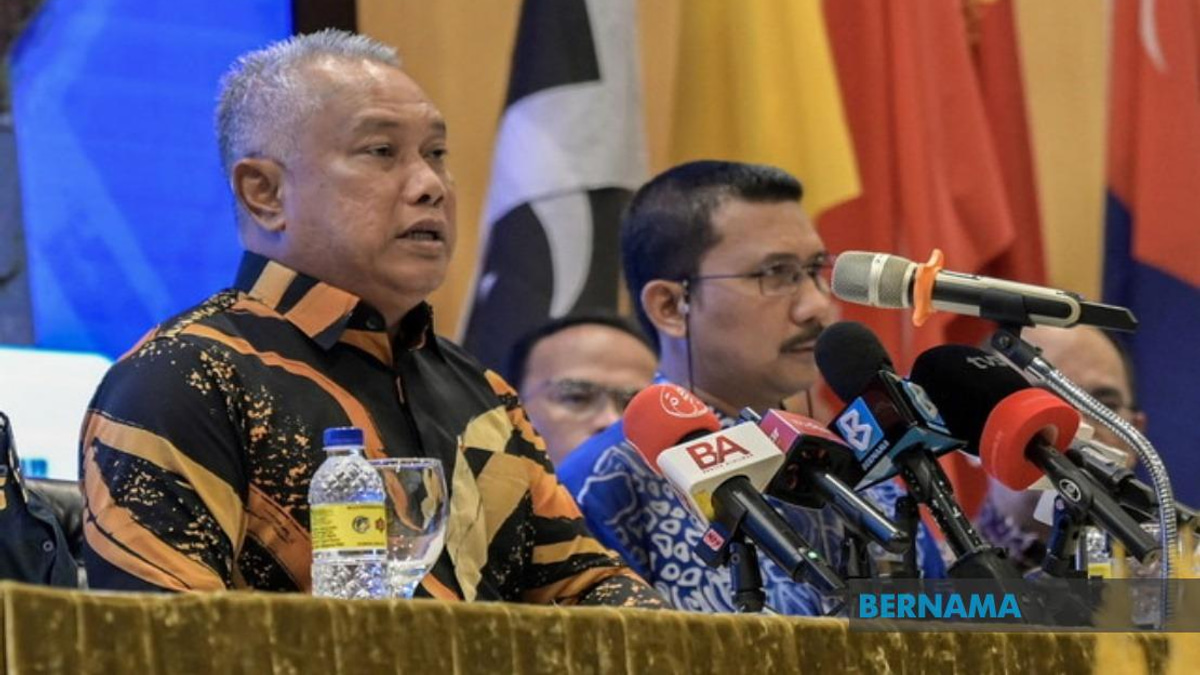
Hamzah Zainudin, the Larut member of parliament and former deputy president of Parti Pribumi Bersatu Malaysia, participated in a gathering of opposition lawmakers organised by the Pan-Malaysian Islamic Party in Kuala Lumpur on June 18. The meeting brought together opposition-aligned MPs to discuss matters of mutual concern and coordinate positions on parliamentary business.
The participation of Hamzah, who has recently emerged as a figure championing political realignment among dissatisfied parliamentarians, signals ongoing efforts within opposition circles to strengthen ties and build consensus on key issues. His attendance underscores the fluid nature of Malaysian politics, where cross-party dialogue has become increasingly common as MPs seek common ground on governance and parliamentary procedure.
PAS has been instrumental in convening such forums, leveraging its significant parliamentary representation to create platforms for opposition voices. The Islamic party's role as host reflects its position as a major player in Malaysia's opposition bloc, particularly following the 2022 general election results that reshaped the parliamentary landscape. These gatherings serve as informal mechanisms for coordinating legislative strategy and testing potential alliances on specific policy matters.
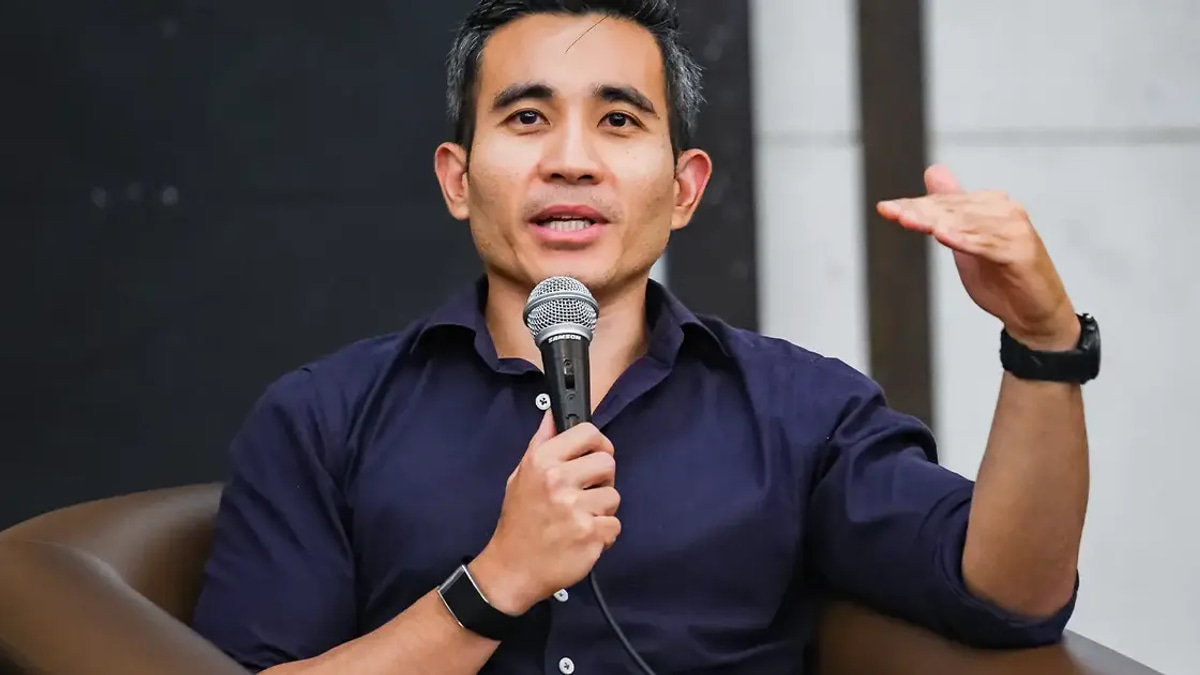
Hamzah's position as founder of Reset, a political movement focused on governance reform and institutional renewal, adds another dimension to his participation. His involvement suggests that discussions at the forum likely extended beyond routine parliamentary matters to encompass broader questions about democratic reform and the direction of Malaysian politics. The Reset movement has attracted attention from lawmakers across the political spectrum concerned with institutional accountability and transparency.
The gathering exemplifies a broader pattern of opposition collaboration that has characterised Malaysian politics since the complex political realignment following the 2022 elections. While the opposition remains fragmented across multiple parties with distinct ideologies and bases, moments of unity—even tactical and temporary—have proven significant in parliamentary proceedings. The ability of opposition MPs to present coordinated positions has occasionally shifted the dynamics of parliamentary votes on government proposals.
For Malaysian readers following political developments, such meetings represent the behind-the-scenes coalition-building that shapes parliamentary outcomes. Opposition coordination can influence government policy through amendments, scrutiny, and obstruction of legislation, making these forums more than mere talking points. When opposition MPs align their positions, they gain leverage in parliamentary debates and can force the government to address concerns or negotiate modifications to proposed laws.
The PAS-hosted meeting also reflects the party's strategic positioning as a bridge-builder between various opposition factions. While PAS maintains its own distinct Islamic conservative agenda, its willingness to facilitate cross-party dialogue demonstrates sophistication in coalition politics. This approach has allowed PAS to punch above its weight in parliamentary influence by coordinating with other opposition parties despite ideological differences.
Hamzah's participation carries particular significance given his history within Bersatu and the broader Pakatan Harapan coalition. His emergence as a figure willing to facilitate dialogue across factional lines suggests frustration with the current state of opposition politics and a desire to build alternative frameworks for collaboration. The Reset movement he leads has positioned itself as above traditional party politics, appealing to MPs and observers who believe Malaysian democracy requires deeper institutional reforms regardless of which coalition holds government.
Regional observers of Malaysian politics have noted how such opposition forums serve as testing grounds for potential coalition formations ahead of future general elections. By building relationships and establishing working relationships now, opposition MPs are laying groundwork for possible electoral alliances in 2027 and beyond. The meetings also help opposition lawmakers maintain visibility and demonstrate that they remain engaged in parliamentary business despite holding minority status.
The gathering highlights how Malaysian parliamentary opposition remains dynamic despite the government's numerical advantage. Opposition MPs have repeatedly used parliament as a platform to hold the government accountable through persistent questioning, amendments to legislation, and public criticism. These forums strengthen the infrastructure supporting such efforts by ensuring coordinated messaging and shared strategies.
For Southeast Asian observers, Malaysia's opposition coordination efforts reflect broader regional trends of non-ruling coalitions strengthening internal mechanisms. Across the region, opposition parties have increasingly recognised that collaboration on procedural and substantive matters can enhance their relevance and influence, even when electoral victory remains distant. Malaysia's experience demonstrates both the possibilities and limitations of such cooperation given the region's tendency toward fragmentation along ethnic, religious, and ideological lines.
Looking forward, the frequency and effectiveness of such opposition forums may influence Malaysian parliamentary dynamics significantly. If opposition coordination improves, future government bills could face more substantial challenges. Conversely, if factionalism undermines opposition unity, the government will find its parliamentary agenda easier to advance. The ongoing evolution of opposition strategy through venues like the PAS-hosted meeting will therefore merit close monitoring by those interested in Malaysia's democratic development.