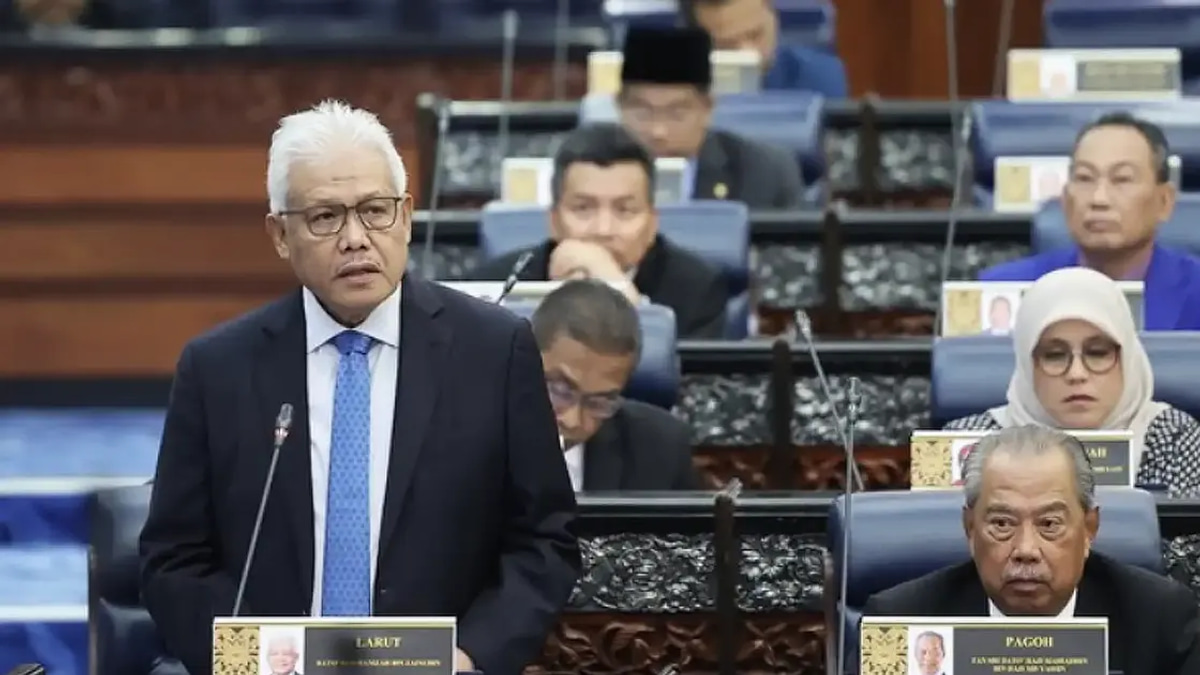
Hamzah has been elevated to the presidency of Wawasan in a strategic reorganisation that signals evolving priorities within the organisation's governance structure. The appointment reflects confidence in his ability to steer the entity through a period of institutional development and positions him at the forefront of its strategic direction moving forward.
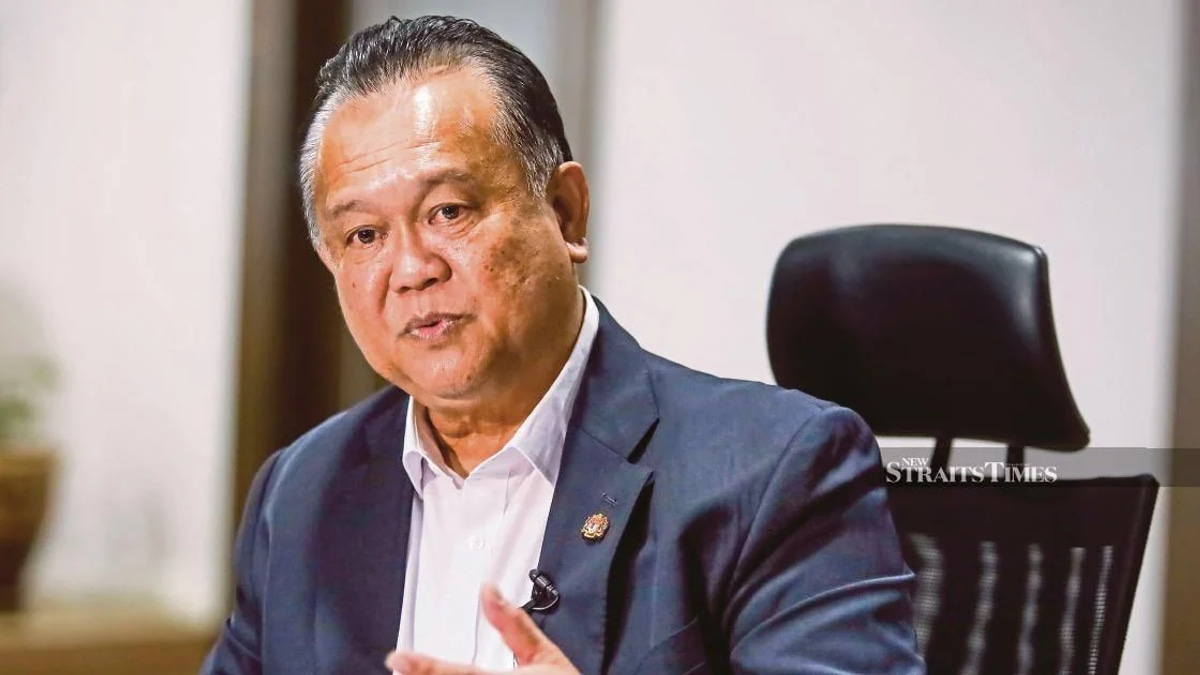
The reshuffle brings together an experienced team of administrators and political figures. Rais Yatim, a seasoned veteran of Malaysian politics with an extensive record in ministerial roles, has been appointed to serve as chairman. His appointment underscores Wawasan's intention to anchor its leadership in individuals with proven track records in public administration and political engagement.
Rais Yatim's career trajectory illustrates a deep involvement in Malaysian governance spanning multiple decades. His previous ministerial positions have provided him with comprehensive experience in policy formulation, institutional management, and navigating the complexities of public service. This background positions him well to provide oversight and strategic guidance to Wawasan's operations and long-term vision.
Complementing this structure, Indera Mahkota MP Saifuddin Abdullah has been designated as secretary-general. As a sitting Member of Parliament representing the Indera Mahkota constituency, Abdullah brings active parliamentary engagement to the role. His dual responsibility between parliamentary duties and Wawasan's administrative functions reflects the organisation's integration with broader political structures in Malaysia.
Saifuddin Abdullah's appointment carries particular significance given his constituency representation and parliamentary visibility. MPs serving in dual administrative capacities often serve as critical linkages between grassroots concerns and organisational policy decisions. His position enables Wawasan to maintain stronger connections with constituent interests and local communities through established parliamentary networks.
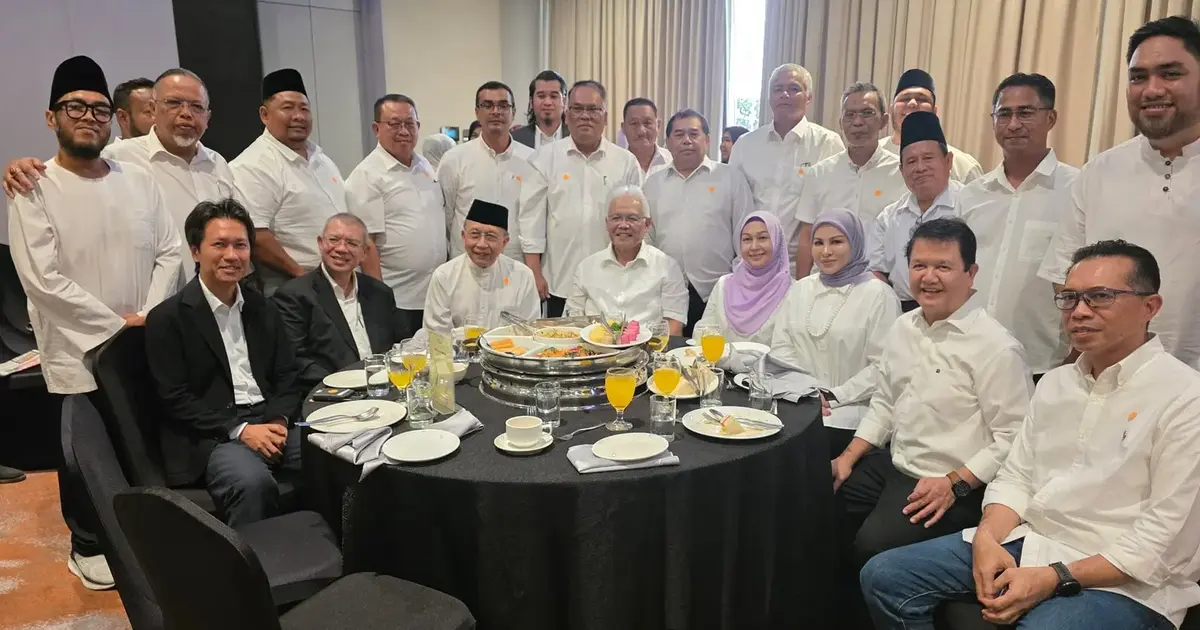
The structural arrangement—with Hamzah as president, Rais Yatim as chairman, and Saifuddin Abdullah as secretary-general—creates a defined hierarchy that distributes responsibilities across complementary roles. This tripartite leadership model balances executive direction, institutional oversight, and administrative coordination. Such arrangements are common in Malaysian organisational structures, where clear delineation between presidential, chairmanship, and secretarial functions prevents concentration of authority and enables more nuanced governance.
For Malaysian political observers, this reshuffle carries implications for how Wawasan positions itself within the broader ecosystem of national institutions and political movements. Leadership changes often signal shifts in organisational priorities, anticipated policy directions, or attempts to recalibrate relationships with other entities. The involvement of sitting parliamentarians in Wawasan's management suggests the organisation remains active in translating parliamentary interests into institutional action.
Regionally, such restructuring reflects patterns common across Southeast Asian political organisations, where formal hierarchies and experienced leadership teams are deployed to enhance institutional credibility and operational effectiveness. The appointment of individuals with ministerial backgrounds to oversight positions is a recognised strategy for attracting stakeholder confidence and ensuring governance standards align with broader public sector norms.
The timing and composition of this leadership reshuffle merit attention from those tracking Malaysian political developments. The combination of veteran administrators with active parliamentarians creates a leadership cohort spanning both established experience and current legislative engagement. This balance allows Wawasan to draw on historical institutional knowledge while remaining attentive to contemporary parliamentary dynamics.
For stakeholders, investors, or organisations engaging with Wawasan, these appointments establish clear lines of accountability and decision-making authority. Transparency regarding leadership roles and responsibilities is fundamental to institutional trust, and this formalised structure provides clarity on who bears responsibility for different organisational functions. The appointment of individuals with documented public records also enables straightforward verification of leadership credentials and experience.
Moving forward, the effectiveness of this restructured leadership will depend on how well these three leaders—Hamzah, Rais Yatim, and Saifuddin Abdullah—coordinate their respective responsibilities and translate strategic vision into tangible organisational outcomes. The success of such arrangements often hinges on explicit communication protocols, clearly defined jurisdictions, and genuine collaborative commitment rather than merely hierarchical formality.
The broader context of Malaysian institutional governance continues to evolve, with organisations constantly recalibrating leadership structures to address contemporary challenges and emerging opportunities. Wawasan's restructuring represents one instance of this ongoing adaptation, demonstrating how Malaysian institutions respond to internal and external pressures by realigning their human resources and governance frameworks.