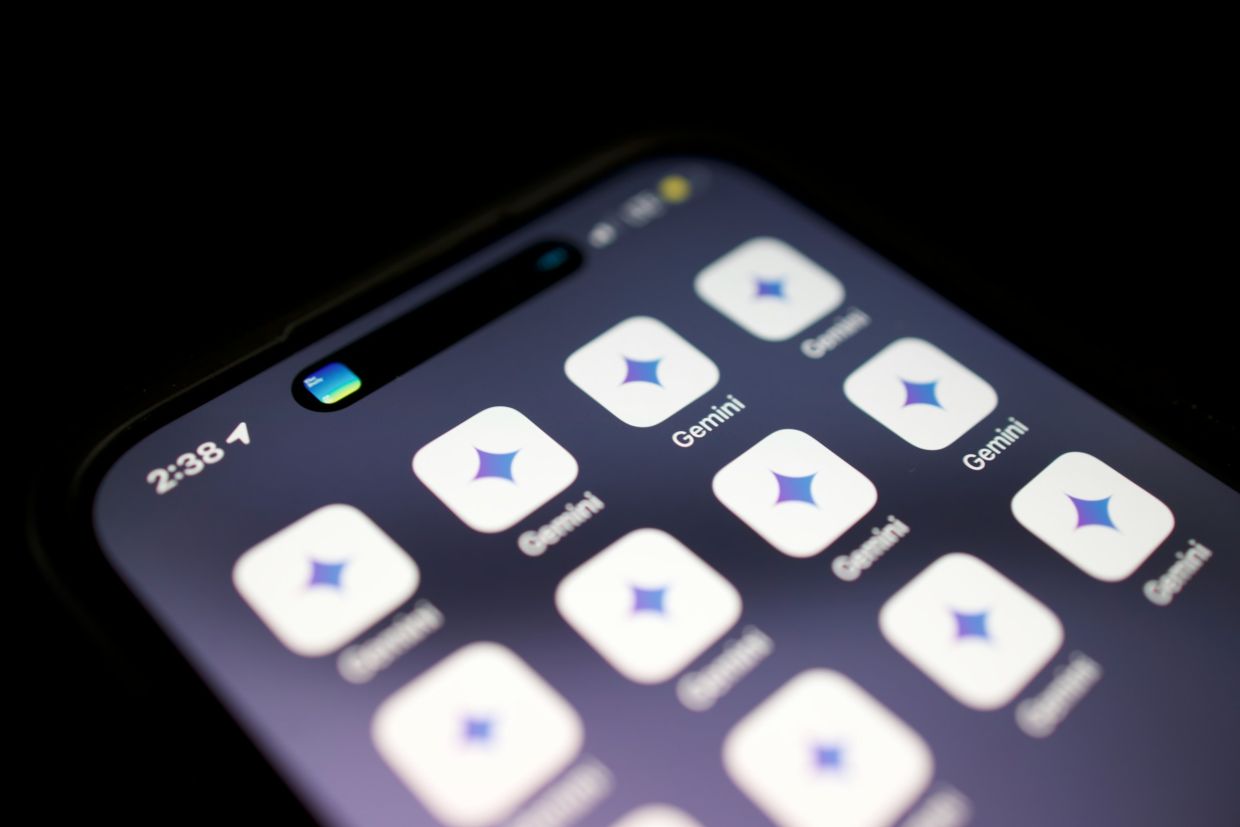
Google has filed a legal action against a suspected Chinese cybercriminal network known as the Outsider Enterprise, which allegedly deployed the company's own Gemini artificial intelligence tool to orchestrate a massive fraud campaign. The outfit is accused of dispatching more than 2 million text messages laced with malicious links that targeted hundreds of thousands of people across the United States.
During a two-week stretch in May, the Outsider Enterprise sent approximately 2.5 million messages to Android device owners, all pointing to fraudulent websites designed to harvest personal data. The scam messages masqueraded as communications from Google and other well-known digital brands, often featuring fabricated warnings about account breaches or fake delivery notifications to lure unsuspecting recipients.
The criminal network coordinated activities via Telegram to distribute the deceptive links through text messaging. When victims clicked on the malicious URLs, they were directed to fake websites requesting sensitive personal information. Court documents reveal that members of the gang actively encouraged each other to use Google's Gemini chatbot to generate custom code needed to construct their fraudulent sites.
Google's investigation uncovered approximately 9,000 counterfeit websites and more than 1 million fraudulent URLs connected to the operation. The technology giant collaborated with major telecommunications carriers AT&T Inc, T-Mobile US Inc and Verizon Communications Inc to prevent these spam messages from reaching potential targets.
Nasrin Rezai, chief information security officer at Verizon, underscored the importance of unified industry action. "As cybercriminals increasingly leverage advanced technologies like AI to execute sophisticated text-messaging scams, defeating these threats requires a unified, cross-industry response," Rezai stated. "We look forward to standing with Google, the telecom industry, and federal law enforcement in this coordinated effort to dismantle malicious domains and disrupt global cybercrime operations." The complaint did not specify the financial losses incurred by victims of the scheme.
%22%2F%3E%3C%2Fpattern%3E%3C%2Fdefs%3E%3Crect%20width%3D%22100%25%22%20height%3D%22100%25%22%20fill%3D%22url(%23ph3b9lwg)%22%2F%3E%3Crect%20width%3D%22100%25%22%20height%3D%22100%25%22%20fill%3D%22url(%23ph3b9lwp)%22%2F%3E%3Ctext%20x%3D%2250%25%22%20y%3D%2250%25%22%20text-anchor%3D%22middle%22%20dominant-baseline%3D%22central%22%20fill%3D%22rgba(255%2C255%2C255%2C0.95)%22%20font-family%3D%22Georgia%2C%20'Times%20New%20Roman'%2C%20serif%22%20font-weight%3D%22700%22%20font-size%3D%22136%22%20letter-spacing%3D%22-0.02em%22%3EPAS-Bersa%E2%80%A6%3C%2Ftext%3E%3C%2Fsvg%3E)
%22%2F%3E%3C%2Fpattern%3E%3C%2Fdefs%3E%3Crect%20width%3D%22100%25%22%20height%3D%22100%25%22%20fill%3D%22url(%23ph2piyog)%22%2F%3E%3Crect%20width%3D%22100%25%22%20height%3D%22100%25%22%20fill%3D%22url(%23ph2piyop)%22%2F%3E%3Ctext%20x%3D%2250%25%22%20y%3D%2250%25%22%20text-anchor%3D%22middle%22%20dominant-baseline%3D%22central%22%20fill%3D%22rgba(255%2C255%2C255%2C0.95)%22%20font-family%3D%22Georgia%2C%20'Times%20New%20Roman'%2C%20serif%22%20font-weight%3D%22700%22%20font-size%3D%22226%22%20letter-spacing%3D%22-0.02em%22%3EHannah%3C%2Ftext%3E%3C%2Fsvg%3E)