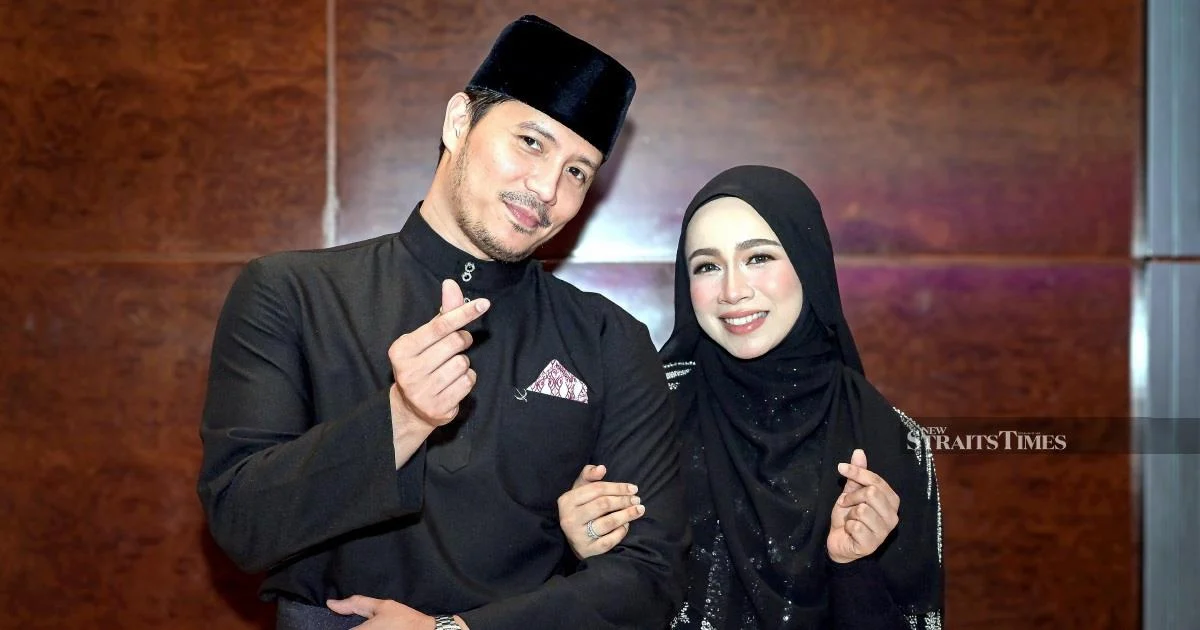
Malaysian entertainment figures Fattah Amin and Amira Othman have moved swiftly to distance themselves from damaging claims that have gained traction on social media platforms, asserting their complete innocence regarding an alleged incident of physical mistreatment of an Indonesian domestic helper. The couple's emphatic denial marks an escalating response to accusations that have circulated widely across digital channels in recent weeks, prompting them to signal their intention to take formal legal steps against those responsible for spreading what they characterise as false information.
The allegations, which emerged through viral social media posts, touched on sensitive issues surrounding the treatment of domestic workers—a matter that carries particular resonance in Malaysia and throughout Southeast Asia, where millions of migrant workers from Indonesia, Bangladesh, Myanmar, and the Philippines sustain household economies. The incident represents one of several high-profile cases in recent years that have drawn public scrutiny to the welfare and rights of domestic helpers employed in Malaysian households, creating a context in which such allegations gain rapid amplification online regardless of their substantiation.
Both Fattah Amin and Amira Othman have built substantial careers within the Malaysian entertainment industry, maintaining public profiles that extend across television, film, and digital platforms. Their prominence in the local showbiz landscape means that allegations touching upon their personal conduct generate considerable public interest and media attention. The couple's decision to issue a comprehensive denial rather than remain silent reflects an understanding of the reputational stakes involved and the speed with which unverified claims can crystallise into public perception without prompt contradiction.
The threat of legal action signals a deliberate escalation beyond simple public denial. By indicating their willingness to pursue remedies through the courts, the couple appears intent on establishing a clear deterrent against the continued circulation of what they contend are fabricated claims. Such legal warnings are increasingly common among public figures seeking to combat the spread of defamatory content on social media, though the enforcement and ultimate success of such measures remain inconsistent across Malaysian jurisdictions and digital platforms.
The incident underscores the fraught dynamics that characterise domestic employment relationships in Malaysia, where power imbalances between employers and workers—particularly foreign nationals with limited language skills and restricted legal status—create environments susceptible to exploitation. Recent years have witnessed growing activism and media attention directed toward documenting and preventing abuse within the domestic sector, a development that has made allegations in this area particularly sensitive and consequential for those accused.
Domestic worker welfare has become an increasingly prominent issue within Malaysian civil society and in regional forums addressing migration and labour rights. International organisations monitoring the treatment of foreign domestic helpers have highlighted Malaysia as a jurisdiction requiring continued oversight, though the country has also undertaken legislative reforms aimed at improving protections and establishing clearer accountability mechanisms. The backdrop of these broader concerns means that allegations emerging in this context encounter a climate already primed to take such matters seriously.
The speed with which the couple issued their denial and legal threats reflects contemporary crisis management practices adopted by Malaysian public figures confronted with allegations that threaten their professional standing and public image. Rather than allowing narrative vacuum to persist, both Fattah Amin and Amira Othman have sought to establish their counter-narrative immediately, attempting to redirect the conversation toward questions of false accusation and malicious intent by those circulating the claims.
The mechanism through which these allegations spread—social media virality—presents particular challenges for both accusers and those accused. The viral nature of such content means that debunking or legal consequences may arrive long after the initial spread, potentially leaving residual reputational damage even should legal proceedings ultimately vindicate the accused. The couple's proactive approach acknowledges this temporal asymmetry and attempts to counteract it through rapid and forceful public response.
For the Indonesian domestic helper allegedly involved, the situation presents its own complexities. Domestic workers, particularly migrant employees, frequently face barriers to accessing justice and legal representation, and may lack familiarity with Malaysian legal processes or language proficiency needed to navigate formal complaints. The absence of public commentary from the worker herself in available reports highlights the power differential that often characterises these situations, where migrant domestic helpers struggle to assert their voices in disputes involving more prominent and resourced employers.
The incident reflects broader tensions within Malaysian society regarding the treatment of migrant workers and the accountability mechanisms available to those who experience exploitation or abuse. While technological platforms have enabled unprecedented ability to publicise grievances and circumvent traditional gatekeepers, they have equally enabled rapid dissemination of unverified allegations that may themselves cause harm to those falsely accused. The couple's position—that they are victims of false allegations—thus claims its own legitimacy within this context of contested claims and competing narratives.
Moving forward, the case will likely depend upon whether those who originally circulated the allegations can substantiate their claims or whether legal action proceeds against them for defamation. The outcome may establish precedent regarding the intersection of celebrity reputation, migrant worker rights, and social media accountability in the Malaysian context. For other public figures and domestic employers, the situation serves as a reminder of both the reputational hazards posed by social media allegations and the legal consequences that may follow from spreading unsubstantiated claims about domestic violence.