A suspected honour killing in Rajasthan's Dholpur district has sparked a major investigation after two young women were allegedly murdered by their own family members and thrown into a river near Sagarpada Bridge on the night of June 11. The case, which authorities are treating as a potential family-sanctioned homicide, centres on accusations that the victims were targeted because of romantic relationships that did not meet with family approval, according to police statements issued on Friday. The incident highlights the persistent issue of honour-based violence in parts of India, where family resistance to perceived romantic transgressions continues to result in tragic outcomes for young women.
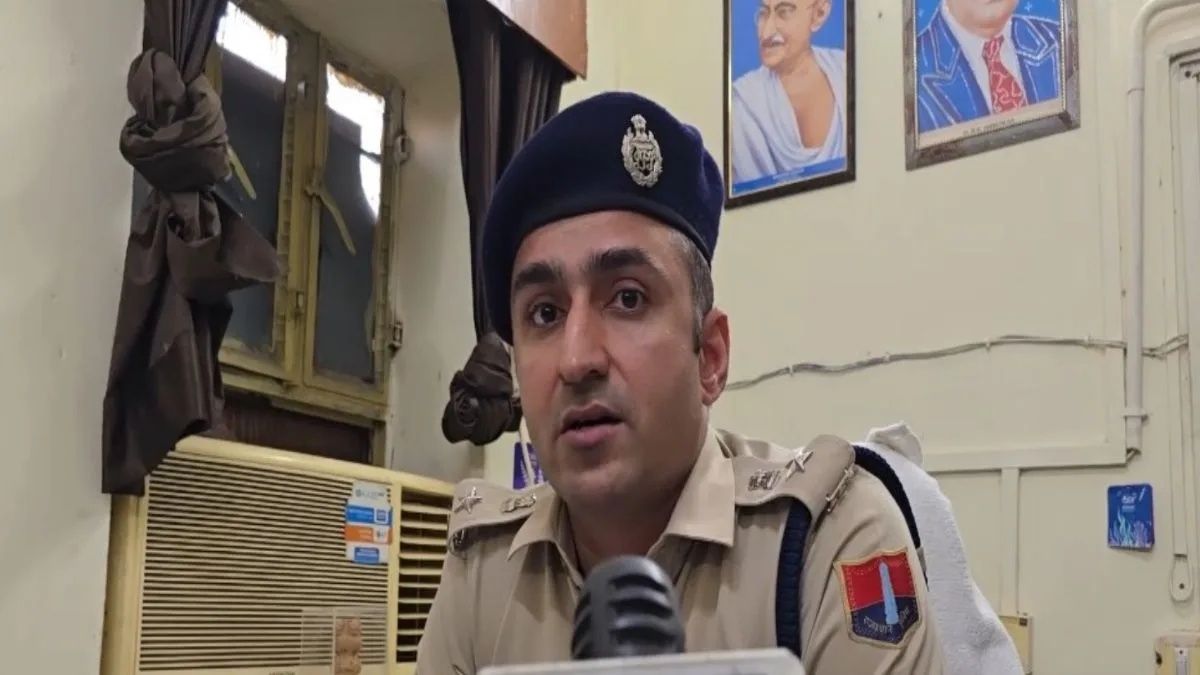
Superintendent of Police Vikas Sangwan revealed that the initial complaint pointed authorities toward Bharat Lodha, a resident of Pharakpur village and father of four, who stands accused of murdering two of his daughters. Upon receiving information about the alleged crime, police teams rushed to the location and began a comprehensive examination of the site and surrounding areas. The preliminary findings immediately suggested involvement by family members, prompting investigators to classify the matter as a potential honour killing and pursue that investigative angle. The involvement of multiple relatives alongside the father indicates a broader family conspiracy rather than an isolated act, raising questions about collective family decision-making in the case.
The timeline of events is currently being reconstructed by investigators who are piecing together the final hours before the alleged crime. Police have indicated that the incident occurred sometime between 9 and 10 in the evening, though further verification of the exact timing remains underway. Authorities are now focused on determining critical operational details, including how the victims were transported to Sagarpada Bridge, which family members accompanied them to the location, and what mode of vehicle was used. These investigative threads will help establish the premeditation and planning involved in the alleged crime, as well as identify all individuals who may have participated in or facilitated the deaths.
The nature of the alleged romantic relationships that triggered the family response remains under investigation, though police have confirmed that family disapproval of these relationships formed the apparent motive for the crime. In honour killing cases across the Indian subcontinent, romantic autonomy and family control over marriage decisions frequently clash, with tragic consequences for young women seeking independence in their personal choices. The specifics of these relationships—whether they involved inter-caste, inter-religious, or class-based objections on the family's part—have not yet been disclosed by authorities. Understanding the exact nature of the family's objections may provide deeper insight into the cultural and social dynamics that led to the alleged violence.
The investigation is still in its early stages, with police teams actively gathering evidence from the scene and conducting interviews with individuals connected to the case. Sangwan emphasised that many details remain preliminary and require further verification before a complete picture of the crime emerges. Authorities are examining witness statements, potential CCTV footage from the area, and physical evidence collected from the location to build a comprehensive case. The ongoing nature of the investigation means that additional suspects may be identified or that currently named suspects may be exonerated as evidence is properly evaluated.
The involvement of multiple family members suggests a pattern of collective decision-making that may have included discussions, planning, and agreement among several relatives before the alleged act was carried out. Police are investigating whether this represented a family consensus or whether certain individuals took the initiative with awareness or tacit approval from others. In honour killing investigations, distinguishing between active perpetrators and passive accomplices can be challenging, yet crucial for ensuring appropriate legal consequences. The law in Rajasthan, like other Indian states, provides for enhanced charges when multiple individuals conspire to commit murder, particularly in cases involving family members.
For Malaysian readers, this case reflects wider South Asian patterns of honour-based violence that occasionally surface in diaspora communities across Southeast Asia. While Malaysia has its own distinct cultural and legal frameworks, understanding how neighbouring countries grapple with honour crimes, family violence, and the investigation of such cases offers perspective on regional social challenges. The professionalism displayed by Rajasthan police in swiftly identifying suspects and pursuing a transparent investigation contrasts with honour killing cases in some regions where community pressure or police indifference allows perpetrators to escape justice. The willingness of Indian authorities to publicly acknowledge honour killing as a distinct category of crime, rather than dismissing such cases as accidents or suicides, represents an important commitment to accountability.
The investigation's focus on reconstructing the movements and logistics of the alleged crime demonstrates a methodical approach to uncovering premeditation. Police are examining not just the moment of the alleged murders but the planning and preparation that preceded them, which could establish deliberate intent and potentially support charges of culpable homicide rather than crimes of passion. This investigative depth is essential for securing convictions that will withstand legal scrutiny and appellate review. In honour killing cases, defence teams often attempt to characterise such crimes as spontaneous acts of anger rather than planned homicides, making the gathering of logistical evidence critical to prosecution success.
The role of family structures in enabling or facilitating such violence deserves consideration in the broader context of women's safety in South Asia. Systems that concentrate family authority in patriarchal figures, particularly regarding marriage and romantic decisions, create environments where violence may be perceived as justified punishment for transgression. The Rajasthan case illustrates how family bonds that should provide protection instead become instruments of control and violence. Addressing honour killings requires not only strong law enforcement response but also cultural conversations about the limits of parental authority and the fundamental rights of adult women to make autonomous decisions about their personal relationships.
Legal proceedings will follow the completion of the police investigation, with charges likely to be filed under Indian Penal Code provisions covering murder, conspiracy, and potentially culpable homicide. The specific charges will depend on the evidence gathered regarding each suspect's degree of involvement and knowledge. Conviction in honour killing cases has historically proved challenging in Indian courts, where defence arguments about family honour, cultural tradition, and the rehabilitation of accused family members sometimes influence judicial decisions. However, increasing public awareness of honour killings and growing judicial recognition of such crimes as serious violations of women's rights have strengthened prosecution outcomes in recent years.
The investigation's current trajectory suggests authorities are treating this case with appropriate seriousness and are committed to pursuing all leads and verifying all evidence before drawing final conclusions. Superintendent Sangwan's public statements indicate a police force willing to confront the uncomfortable reality of honour-based violence within families rather than minimising such crimes or suggesting victim complicity. As the investigation progresses and more details emerge, this case will likely contribute to public discourse in India about family violence, women's autonomy, and the need for stronger protections against honour killings. The outcome will also set precedent for how Indian law enforcement and judiciary address similar cases in the future, with implications for women's safety across the subcontinent.


%22%2F%3E%3C%2Fpattern%3E%3C%2Fdefs%3E%3Crect%20width%3D%22100%25%22%20height%3D%22100%25%22%20fill%3D%22url(%23ph2dkjhg)%22%2F%3E%3Crect%20width%3D%22100%25%22%20height%3D%22100%25%22%20fill%3D%22url(%23ph2dkjhp)%22%2F%3E%3Ctext%20x%3D%2250%25%22%20y%3D%2250%25%22%20text-anchor%3D%22middle%22%20dominant-baseline%3D%22central%22%20fill%3D%22rgba(255%2C255%2C255%2C0.95)%22%20font-family%3D%22Georgia%2C%20'Times%20New%20Roman'%2C%20serif%22%20font-weight%3D%22700%22%20font-size%3D%22272%22%20letter-spacing%3D%22-0.02em%22%3EAnwar%3C%2Ftext%3E%3C%2Fsvg%3E)