Communications Minister Datuk Fahmi Fadzil is undertaking a two-day visit to Penang that places Malaysia's media sector and journalism profession in the spotlight. The trip, which commenced on June 19, is built around the National Journalists' Day (HAWANA) 2026 grand finale, an annual celebration that recognises the contributions and professionalism of the country's media practitioners. The schedule reflects the government's commitment to engaging with media leaders and exploring contemporary challenges facing the industry across the region.
Fahmi's itinerary begins with the Malaysia Media Retreat Programme 2.0, a gathering designed to convene senior editors, chief executives from local and international news organisations, and other prominent figures in the media landscape. Held in Seberang Jaya, the retreat serves dual purposes: acknowledging the vital role media plays in national development while creating space for candid discussions on industry direction. The evening includes a state government dinner hosted by Penang Yang Dipertua Negeri Tun Ramli Ngah Talib, underscoring Selangor's institutional support for media engagement.
Cultural and creative dimensions feature prominently in the minister's schedule, reflecting a broader understanding that journalism exists within a wider ecosystem of information and artistic expression. The RIUH Pi HAWANA Carnival, held at the PICCA Convention Centre in Butterworth, brings together creative industry players, entrepreneurs and community members for a three-day celebration combining creative arts workshops with dialogue sessions. The carnival offers free entry and features hands-on experiences including cyanotype printmaking, albumen printing and stone-carving, alongside performances by local musicians such as Sakura Band, Kaka Azraff and Budak Nakal Hujung Simpang. More than 24 local creative brands and 20 food vendors participate, transforming the event into a community gathering that connects journalism with broader cultural expression.
The second day of Fahmi's visit maintains momentum with early engagements aimed at ground-level outreach. The Jiwa@Sembang Santai programme at Seberang Jaya Public Market offers an informal setting for dialogue, contrasting with more formal conference formats. This approach reflects recognition that meaningful engagement with media practitioners extends beyond boardrooms and convention centres into spaces where journalists and community members naturally congregate. Such grassroots interaction provides valuable insights into practitioners' concerns and emerging issues affecting newsrooms across Malaysia.
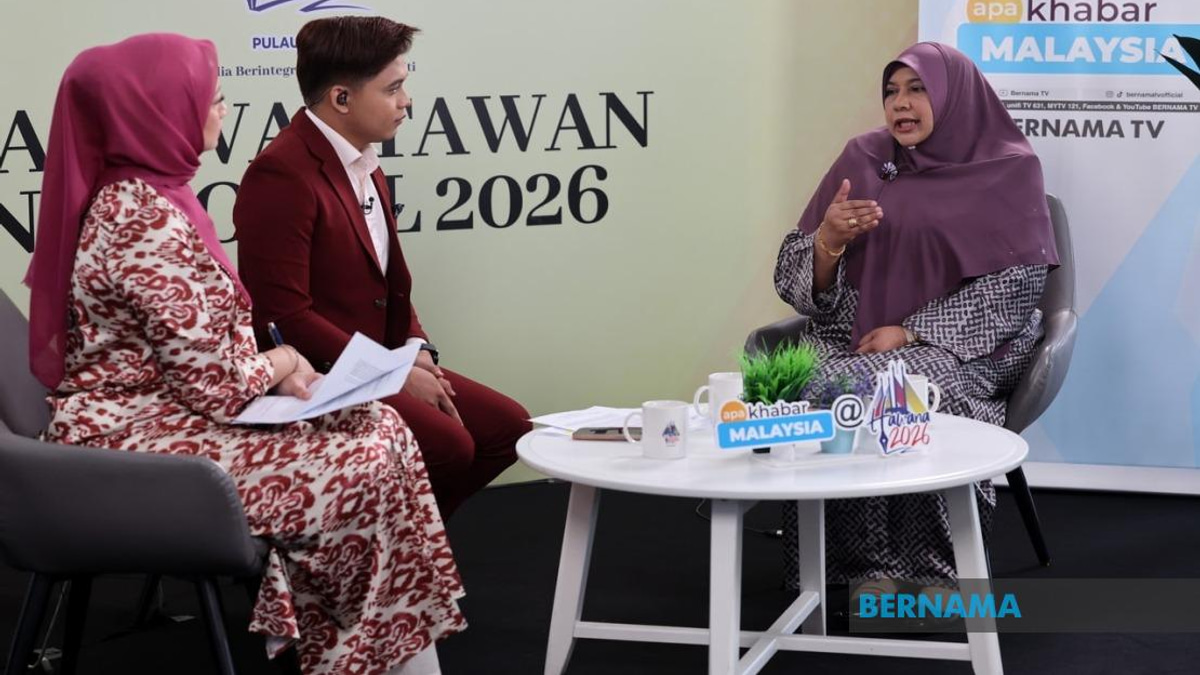
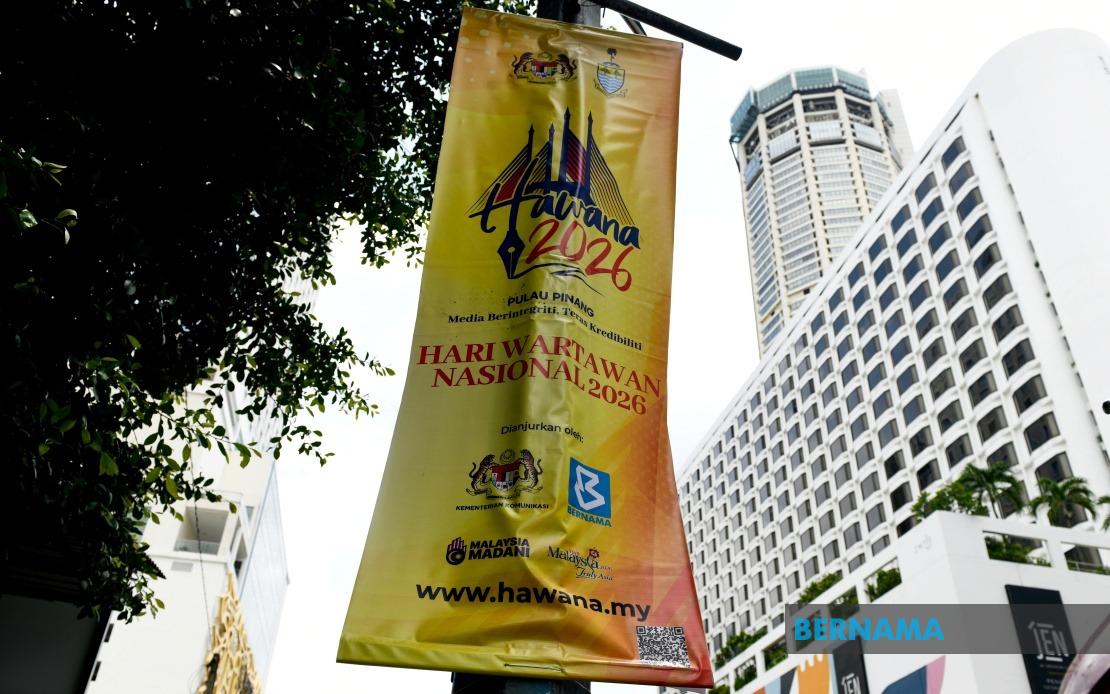
The centrepiece of the visit is the HAWANA 2026 Grand Finale, scheduled for 3 pm at the PICCA Convention Centre in Butterworth. Themed "Media Integrity Strengthens Credibility," the event positions journalism's ethical foundations as central to public trust and democratic function. The emphasis on integrity reflects international discourse around disinformation, media literacy and the declining trust in news institutions across multiple democracies. Prime Minister Datuk Seri Anwar Ibrahim will officiate the ceremony, signalling the government's interest in supporting professional journalism standards and elevating the profession's standing.
The grand finale is expected to attract approximately 1,000 media practitioners from Malaysia and overseas, transforming Penang into a regional hub for journalism discourse. This international dimension is significant for Southeast Asian readers: the gathering will facilitate cross-border conversations on how journalists across the region address common challenges including digital disruption, economic pressures on newsrooms, and shifting audience consumption patterns. Practitioners from neighbouring countries attending the event will exchange perspectives on maintaining journalistic standards while navigating technological change and evolving business models.
HAWANA, organised by the Ministry of Communications with the Malaysian National News Agency (Bernama) serving as implementing agency, functions as the nation's premier platform for recognising media sector contributions. The programme's annual iteration reflects government commitment to institutionalising recognition of journalism's role in society. For Malaysian readers, this represents acknowledgment that sustained media engagement with government institutions requires regular dialogue and formal recognition of shared interests in information quality and public discourse.
The Penang location carries symbolic importance beyond logistical convenience. As a state known for progressive governance and engagement with civil society, Penang provides a setting conducive to frank discussion about journalism's future. The multi-day format allows substantive exploration of issues rather than superficial coverage, enabling participants to move beyond speeches into working sessions where practical challenges receive attention. The carnival component ensures the media profession's cultural relevance resonates beyond industry circles.
For Southeast Asian media practitioners monitoring developments in regional journalism, the HAWANA 2026 grand finale offers insights into how Malaysia's government approaches media engagement. The emphasis on integrity as the event's thematic core suggests official concern with rebuilding trust in news institutions, a preoccupation shared across the region. Conversations emerging from the Penang gathering will likely influence how other Southeast Asian nations address similar challenges of maintaining journalistic standards while adapting to digital-era business realities.
The breadth of Fahmi's schedule demonstrates how contemporary media engagement extends beyond formal conferences into cultural events, grassroots dialogues and informal settings. This integrated approach recognises that journalism's health depends not only on professional standards and institutional frameworks but also on broader cultural support and community understanding. Malaysian and regional readers following these developments should note that governments increasingly view media engagement as requiring multifaceted strategies addressing practitioners' professional needs, industry economics, cultural context and public understanding simultaneously.