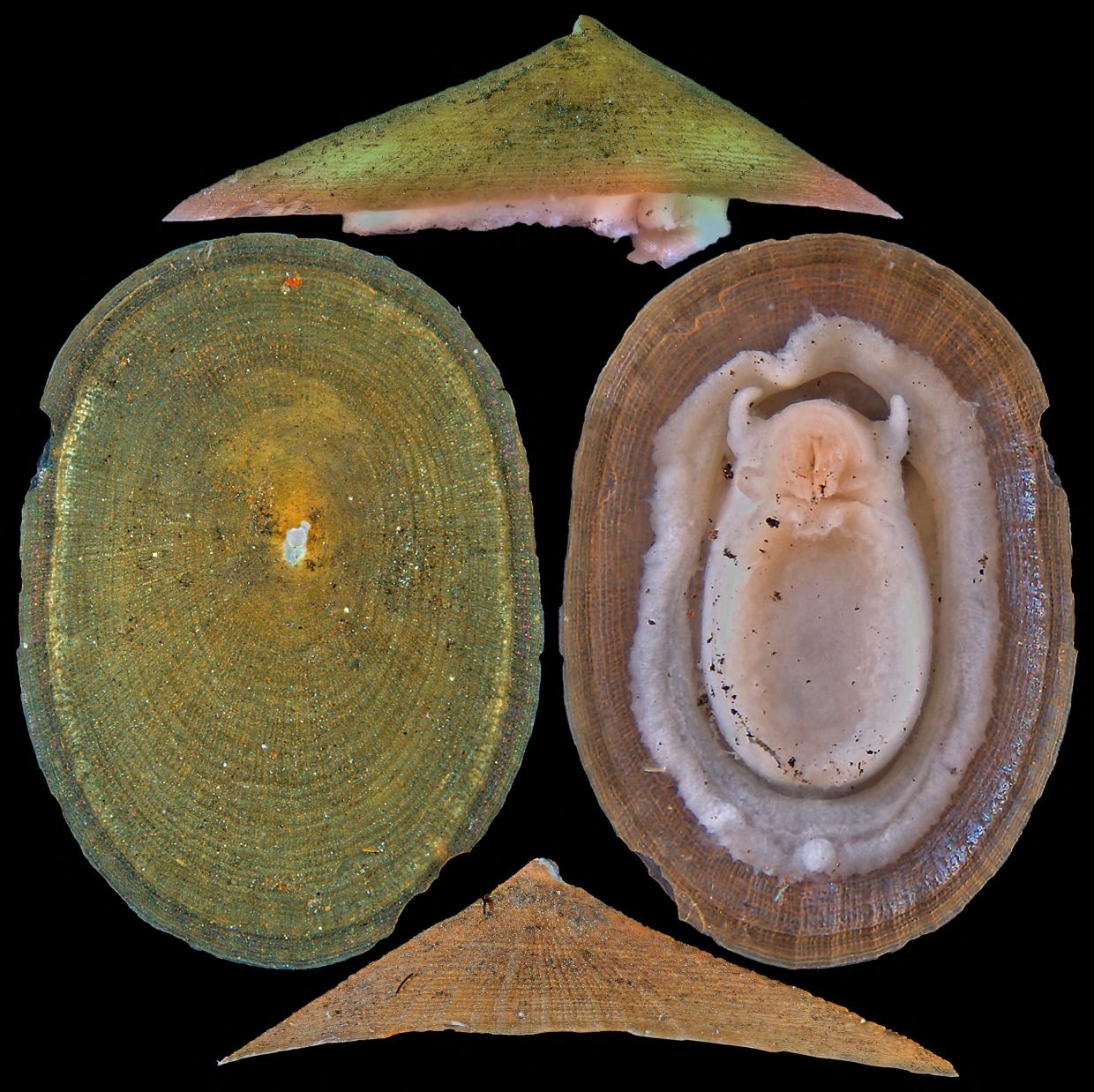
The latest update to the International Union for Conservation of Nature's Red List of Threatened Species has sounded an alarm over the plight of molluscs dwelling in Earth's most extreme underwater environments. According to the IUCN's assessment released Thursday, deep-sea mining operations pose an existential threat to 62 percent of the mollusc species that depend on hydrothermal vents for survival, translating to 125 out of 201 known species worldwide. This troubling finding underscores the growing tension between humanity's appetite for valuable minerals and the preservation of biodiversity in the planet's least-explored ecosystems.
The IUCN's comprehensive review now tracks 175,909 threatened and vulnerable species globally, an increase from 172,620 in the previous edition, with 49,505 species classified as facing extinction threats. This expansion of the threatened species tally reflects both improved scientific knowledge and the accelerating impact of human activities on fragile ecosystems. The mollusc crisis, however, represents a particularly acute concern given the vulnerable nature of these creatures and the rapid pace at which mining threatens their existence.
These remarkable organisms thrive in conditions that seem utterly inhospitable to most life forms. Residing at depths reaching 5,000 metres below the ocean surface, hydrothermal vent molluscs cluster around vents discharging superheated water exceeding 450 degrees Celsius. The group encompasses diverse species including snails, limpets, mussels, clams and chitons, many of which represent entirely new discoveries to science. What makes their situation particularly dire is that numerous species have only entered scientific records within the past decade, yet already face pressure from mining activities before their ecology and conservation needs are fully understood.
The mechanics of deep-sea mining operations create what scientists call sediment plumes—clouds of disturbed material that blanket the seabed environment. These plumes fundamentally alter the habitat that hydrothermal vent molluscs have evolved to inhabit. Beyond simple smothering, the suspended sediment interferes with the animals' capacity to absorb essential nutrients from the water, disrupting the delicate physiological balance upon which their survival depends. Julia Sigwart, speaking on behalf of the IUCN mollusc specialist group, characterised the situation with stark urgency, noting that molluscs constitute "one of the most highly threatened of all animal groups, at a critical moment for their future."
The IUCN's institutional position on deep-sea mining has been unambiguous. In 2021, the organisation voted in favour of a comprehensive moratorium on deep-sea mining operations unless and until effective marine environmental protections are established and enforced. This stance reflects the organisation's assessment that the risks to marine ecosystems substantially outweigh the economic benefits of mineral extraction in these regions. The moratorium recommendation serves as a clarion call to governments and international bodies grappling with mining regulation, even as commercial interests push for access to deep-ocean mineral deposits.
IUNC chief Grethel Aguilar articulated the broader conservation challenge confronting the planet. She highlighted the remarkable adaptability that life on Earth has demonstrated, with organisms like deep-sea molluscs representing pinnacles of evolutionary ingenuity—creatures perfectly engineered to thrive in hostile, heat-soaked environments that would kill virtually any other animal. Yet even these marvels of natural selection now face existential pressure from human industrial expansion. As biodiversity stressors accumulate across terrestrial and marine ecosystems globally, even the species with the most sophisticated survival strategies find themselves outmatched by the pace and scale of contemporary human disturbance.
The Red List update encompasses other cautionary tales that illustrate broader conservation trends. The desert rain frog, a diminutive amphibian that has become a social media sensation, has been reclassified from "near threatened" to "vulnerable" status—a concerning step downward on the threat scale. The species' decline stems from diamond mining operations and energy infrastructure development along the coasts of South Africa and Namibia. Without meaningful conservation intervention, the desert rain frog population faces an estimated 20 percent decline over the coming decade, a trajectory that would further erode an already precarious situation.
Yet the Red List update is not entirely bleak. Australia's numbat, a small marsupial also known as the banded anteater, has achieved improved conservation status, moving from "endangered" to "near threatened" classification. Current population estimates suggest between 2,000 and 3,000 individuals exist today, a remarkable recovery from the mere hundreds documented during the 1970s. This turnaround reflects the success of sustained, collaborative conservation approaches including captive breeding programmes and habitat protection measures that have stabilised the species against further decline.
John Woinarski, co-chair of the IUCN's Australasian marsupial and Monotreme specialist group, emphasised that the numbat's recovery provides tangible evidence of what persistent, well-coordinated conservation action can accomplish. He warned, however, that without continuous commitment to these efforts, invasive predators—particularly feral cats and foxes—would continue to decimate Australia's small marsupials and native rodent populations. This sobering observation highlights that conservation progress remains fragile and dependent upon ongoing investment and vigilance, particularly in regions where invasive species have become entrenched ecological problems.
For Malaysia and Southeast Asia, these global conservation trends carry particular relevance. The region's marine environments face similar pressures from extractive industries, fishing practices, and climate change. Deep-sea mining could potentially be authorised in Pacific waters, yet the precedents and ecological damage documented in this IUCN assessment should inform regional policymakers about the lasting consequences of such industrial expansion. The mollusc crisis illustrates how rapid exploration and development of previously inaccessible ecosystems can trigger extinction cascades before adequate scientific knowledge accumulates to guide sustainable management.
The updated Red List serves as a comprehensive inventory of humanity's ecological impact, measured through the declining fortunes of species across the planet. Each newly threatened species represents not merely a statistical entry but a distinct lineage shaped by millions of years of evolution. The molluscs of hydrothermal vents, the desert rain frogs of southern Africa, and Australia's recovering marsupials collectively testify to nature's vulnerability when confronted by industrial-scale human activity. As nations grapple with balancing economic development against conservation imperatives, the IUCN's findings demand that decision-makers reckon honestly with the true cost of mineral extraction and resource development in Earth's most pristine and fragile environments.

