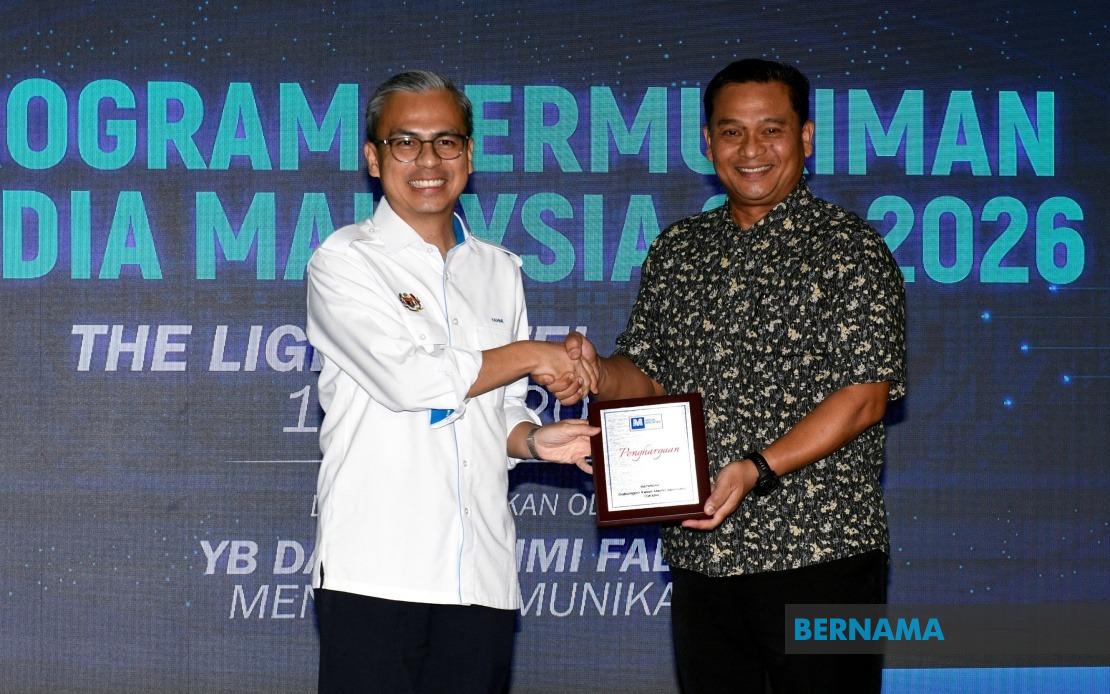
The Ministry of Communications has unveiled a financial support package aimed at strengthening media infrastructure across Malaysia, with each state media club affiliated to the Malaysian Media Clubs Association (GKMM) set to receive RM10,000 in government funding. The national umbrella organisation itself will receive RM30,000 to facilitate activities and programmes centred on the wellbeing of journalism professionals. Communications Minister Datuk Fahmi Fadzil made the announcement during the Malaysia Media Retreat Programme 2.0 in Butterworth, signalling the government's commitment to sustaining the media industry during a period of rapid technological change.
The funding allocation reflects the government's recognition that media clubs serve as vital institutional networks within Malaysia's journalism sector. By channelling resources directly to state-level organisations, the ministry aims to ensure that support reaches practitioners across the country, from major urban centres to smaller states where media infrastructure may be less developed. Fahmi's announcement underscores an awareness that professional journalism requires institutional backing and that grassroots media organisations play a crucial intermediary role between individual journalists and policymakers.
Fahmi emphasised the strategic importance of GKMM as a platform for aggregating and communicating the collective concerns of media practitioners. Although GKMM operates as an association rather than a formal labour union, it functions as an effective channel through which the journalism community can raise issues related to professional welfare and industry conditions. The minister's framing of GKMM as an institution capable of conveying "hopes regarding the future of the country's journalism industry" suggests the government views the association as a legitimate voice in ongoing conversations about media regulation and development.
The financial commitment arrives amid ongoing global debates about the future viability of professional journalism. Fahmi articulated a deliberate position on artificial intelligence and automation, asserting that journalists cannot be supplanted by algorithmic systems and that human reporting remains indispensable. This stance carries particular resonance in Southeast Asia, where digital disruption has pressured traditional news organisations and where questions about the sustainability of investigative journalism have become increasingly urgent. By emphasising that "without journalists, there is no news," Fahmi positioned journalist employment preservation as a strategic priority for the Communications Ministry.
The government's approach to GKMM funding also reflects a broader policy philosophy regarding state engagement with media institutions. Rather than imposing top-down regulatory frameworks, the ministry appears to favour consultation and collaborative policymaking with industry stakeholders. Fahmi referenced the drafting of the Malaysian Media Council Act as an example of this consultative approach, noting that the legislation was substantially shaped by suggestions and input from media professionals themselves. This iterative process suggests the government recognises that sustainable media policy requires buy-in from the practitioners who will implement and live under such regulations.
Funding announcements of this nature carry symbolic as well as material significance within Malaysia's media landscape. The allocation demonstrates measurable government investment in media institutions beyond the national news agency Bernama, which itself was represented at the announcement by chief executive officer Datin Paduka Nur-ul Afida Kamaludin and editor-in-chief Arul Rajoo Durar Raj. For state-level media clubs operating with limited budgets, RM10,000 can constitute meaningful support for activities such as professional development workshops, journalist welfare assistance, or industry forums.
The timing of this announcement merits consideration within Malaysia's broader political and media context. State media clubs function as spaces where journalists from different organisations can convene, share experiences, and collectively address common challenges. In a media ecosystem where individual newsrooms may face resource constraints, these clubs provide platforms for peer support and professional networking. Government funding for such spaces reflects confidence in their value as stabilising institutions within the journalism profession.
Fahmi's comments regarding GKMM's role in raising practitioner concerns suggest the government envisions the association as a legitimate interlocutor on media-related issues. This positioning creates potential for GKMM to function as an early-warning system, alerting policymakers to emerging problems within the journalism profession before they become systemic crises. The RM30,000 allocation to the national body can support this coordinating function by enabling GKMM to organise cross-state initiatives, maintain organisational capacity, and facilitate communication between state clubs and the ministry.
The wider context for media funding in Malaysia includes longstanding questions about the independence and sustainability of news organisations. While direct government funding to media outlets remains rare and sensitive, indirect support through professional associations and clubs occupies a more neutral policy space. By investing in GKMM and state clubs rather than individual newsrooms, the government can provide meaningful support while avoiding the perception of editorial influence. This distinction matters particularly in a region where media independence remains contested and where funding relationships between government and news organisations are closely scrutinised by journalists, civil society organisations, and international observers.
The announcement also occurs within Malaysia's broader digital transition, where traditional media faces competition from online platforms and social media. Professional journalism requires investment in training, equipment, and institutional capacity precisely as business models for news production have become increasingly uncertain. Government funding for media clubs can help sustain professional standards and community among journalists even as individual news organisations restructure. Fahmi's commitment to journalist employment preservation thus extends beyond rhetorical support to concrete resource allocation.
Looking forward, the success of this funding initiative will depend on how effectively GKMM and state clubs utilise these resources. The minister's call to use the funds "as best as possible" invites these organisations to exercise discretion in addressing their members' most pressing needs. Whether funds flow toward emergency assistance for journalists facing hardship, professional development programmes, advocacy initiatives, or operational costs will reveal much about GKMM's priorities and the challenges currently facing Malaysia's journalism profession.
For Southeast Asian observers tracking media development across the region, Malaysia's funding approach offers an instructive model of indirect government support for professional journalism. Rather than nationalising news production or creating state-controlled outlets, the government has opted to sustain professional associations that can advocate for journalist interests and maintain community standards. This approach acknowledges the legitimate role of professional journalism within a democratic system while avoiding the appearance of editorial control. The sustainability and impact of this funding will merit ongoing monitoring as Malaysia navigates the complex terrain of digital media, professional journalism, and democratic communication.
%22%2F%3E%3C%2Fpattern%3E%3C%2Fdefs%3E%3Crect%20width%3D%22100%25%22%20height%3D%22100%25%22%20fill%3D%22url(%23ph5kerlg)%22%2F%3E%3Crect%20width%3D%22100%25%22%20height%3D%22100%25%22%20fill%3D%22url(%23ph5kerlp)%22%2F%3E%3Ctext%20x%3D%2250%25%22%20y%3D%2250%25%22%20text-anchor%3D%22middle%22%20dominant-baseline%3D%22central%22%20fill%3D%22rgba(255%2C255%2C255%2C0.95)%22%20font-family%3D%22Georgia%2C%20'Times%20New%20Roman'%2C%20serif%22%20font-weight%3D%22700%22%20font-size%3D%22320%22%20letter-spacing%3D%22-0.02em%22%3EKTMB%3C%2Ftext%3E%3C%2Fsvg%3E)
%22%2F%3E%3C%2Fpattern%3E%3C%2Fdefs%3E%3Crect%20width%3D%22100%25%22%20height%3D%22100%25%22%20fill%3D%22url(%23ph2q7c8g)%22%2F%3E%3Crect%20width%3D%22100%25%22%20height%3D%22100%25%22%20fill%3D%22url(%23ph2q7c8p)%22%2F%3E%3Ctext%20x%3D%2250%25%22%20y%3D%2250%25%22%20text-anchor%3D%22middle%22%20dominant-baseline%3D%22central%22%20fill%3D%22rgba(255%2C255%2C255%2C0.95)%22%20font-family%3D%22Georgia%2C%20'Times%20New%20Roman'%2C%20serif%22%20font-weight%3D%22700%22%20font-size%3D%22272%22%20letter-spacing%3D%22-0.02em%22%3EAnwar%3C%2Ftext%3E%3C%2Fsvg%3E)