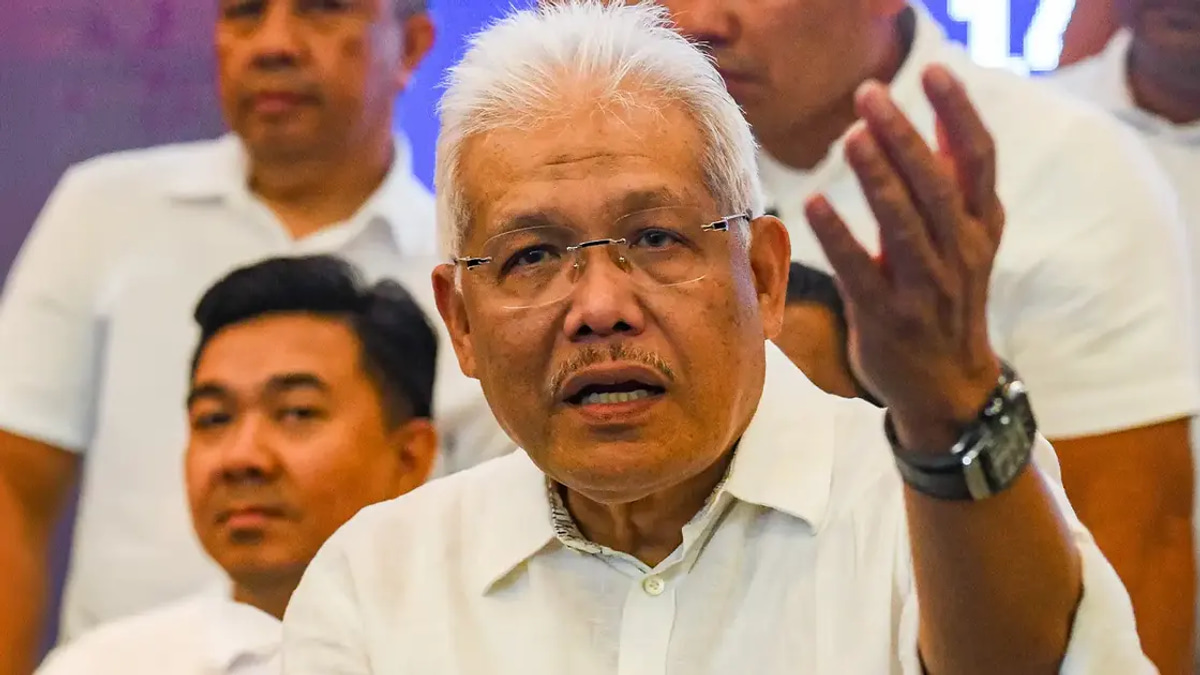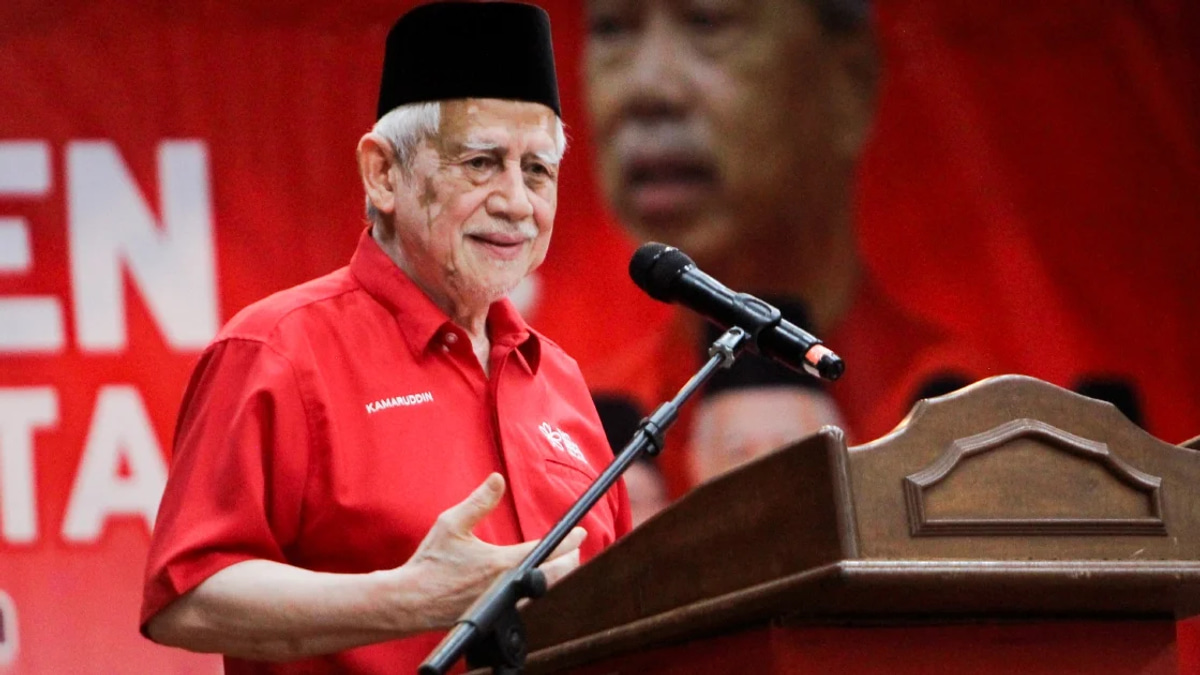
Tan Sri Muhyiddin Yassin has moved to anchor Bersatu's political future squarely within Perikatan Nasional, dismissing suggestions that the party's position in the coalition could be undermined. Speaking at Bersatu headquarters in Petaling Jaya on June 16, the party president declared his intention to maintain full membership in PN and to field candidates under the coalition's banner in the forthcoming state elections in Johor and Negeri Sembilan.
The timing of Muhyiddin's declaration carries significant weight given the recent rupture between PN's two heavyweight components. PAS, the Islamic party that has historically anchored Islamist politics in Malaysia, has formally severed all political cooperation with Bersatu, creating visible fractures within the opposition coalition that many observers viewed as potentially fatal. By reasserting Bersatu's commitment, Muhyiddin seeks to signal that the party intends to weather this turbulence and emerge as PN's anchor moving forward.
Muhyiddin was emphatic that constitutional safeguards protect Bersatu's position from arbitrary removal. He stressed that any action to expel or suspend a component party must follow proper procedures enshrined in PN's founding documents and require broad consensus rather than the unilateral decision of any single member. This legalistic framing reflects a broader calculation that Bersatu, as PN's de facto leader given Muhyiddin's role and the party's federal connections, occupies too central a position to be easily displaced. The party's headquarters, leadership structures, and administrative apparatus have become closely identified with PN itself, making a clean separation logistically and politically complicated.
The decision to contest Johor's July 11 election and Negeri Sembilan's August 1 contest under the PN logo represents a crucial test of the coalition's viability. Johor in particular looms large in Malaysian electoral calculations, having historically voted as a bloc and served as a bellwether for national sentiment. A strong PN showing there could revitalise the coalition and demonstrate resilience following PAS's departure, while a poor result might accelerate perceptions of terminal decline. Muhyiddin's public backing of this approach telegraphs that Bersatu's leadership views PN as worth fighting for rather than retreating from.
The presence of senior party figures at the leadership council meeting underscores the gravity with which Bersatu's hierarchy treats this moment. Vice-presidents Datuk Dr Radzi Jidin and Datuk Seri Ahmad Faizal Azumu, along with secretary-general Datuk Seri Mohamed Azmin Ali, flanked Muhyiddin as he articulated the party's position. This visible unity among top brass sends a message both inward to party cadres and outward to coalition partners and rivals that Bersatu's direction is settled and internally agreed upon.
PAS's formal announcement of its political separation from Bersatu created a stark backdrop against which Muhyiddin's statement must be read. The two parties had previously contested together, and their split represented a significant setback for PN's consolidation efforts. Rather than leading to similar declarations of departure from other quarters, however, Muhyiddin's move suggests a recalibration: if PN cannot retain PAS, it will strengthen itself around Bersatu as core, drawing in other non-PAS Islamist and Malay-centric parties and independent candidates disenchanted with both the government and PAS's approach.
For Malaysian political observers, the resilience Muhyiddin demonstrated reflects a calculating pragmatism. Exiting PN would leave Bersatu isolated, unable to contest elections with coalition advantage, and vulnerable to accusations of instability. Remaining in PN, even as PAS departs, allows Bersatu to maintain the infrastructure, campaign machinery, and political legitimacy that comes from operating as a coalition member. The PN logo itself carries symbolic value, representing continuity with the electoral forces that once threatened to unseat the ruling Pakatan Harapan government and demonstrating that the Malay-Muslim electoral base remains contestable terrain.
The constitutional argument Muhyiddin deployed carries real weight in Malaysian party politics, where foundational documents often enshrine protections for component parties and require consensus-based decision-making among leadership bodies. By framing Bersatu's position in legalistic terms, Muhyiddin makes it harder for other PN components to justify action against his party without appearing to operate outside agreed frameworks. This invocation of rules and procedures transforms what might otherwise be seen as naked power politics into matters of organisational propriety.
The implications for the broader Malaysian opposition are substantial. PN's effectiveness as a counter-weight to the government depends on coalition coherence and demonstrated electoral competitiveness. Johor and Negeri Sembilan will provide empirical evidence of whether PN without PAS retains voter appeal or whether the coalition has become a spent force. Should Bersatu-led PN candidates perform credibly in either election, it validates Muhyiddin's gambit and suggests that Malay voters remain willing to back opposition forces assembled around Bersatu. Conversely, poor results would raise questions about whether PN's moment has passed and whether Bersatu's future might lie in alternative coalition arrangements or even accommodation with the federal government.
Muhyiddin's steadfastness on this point also reflects personal political calculations. As PN chairman, he has invested significant capital in building and maintaining the coalition. A precipitous collapse would reflect poorly on his leadership and might open space for rivals within Bersatu to challenge his authority or seek alternative alignments. By holding firm and committing resources to the upcoming elections, he positions himself as a decisive leader capable of navigating coalition turbulence and protecting Bersatu's interests.
The broader Southeast Asian context adds another dimension to Malaysia's coalition politics. Across the region, opposition alliances have proven fragile, with component parties frequently splitting over ideological differences, leadership contests, or calculations about future power-sharing arrangements. Bersatu's decision to remain in PN despite PAS's departure suggests that Malaysian opposition politics may be settling into a new equilibrium where multiple blocs compete rather than a single united front challenging incumbents. This fragmentation could benefit the government in the near term while creating longer-term complications for opposition efforts to mobilise coherent counter-narratives.
Looking forward, Muhyiddin's commitment to PN carries implications for state-level politics in Johor and Negeri Sembilan. Both states represent competitive battlegrounds where PN's performance will be scrutinised for clues about the coalition's broader trajectory. A credible showing might encourage other state governments to consider PN alignment or might strengthen PN's hand in future negotiations with federal authorities. These two elections thus serve as crucial waypoints in Malaysian politics, testing whether Bersatu-anchored opposition can sustain itself and whether PN remains a meaningful force in Malaysian electoral competition.