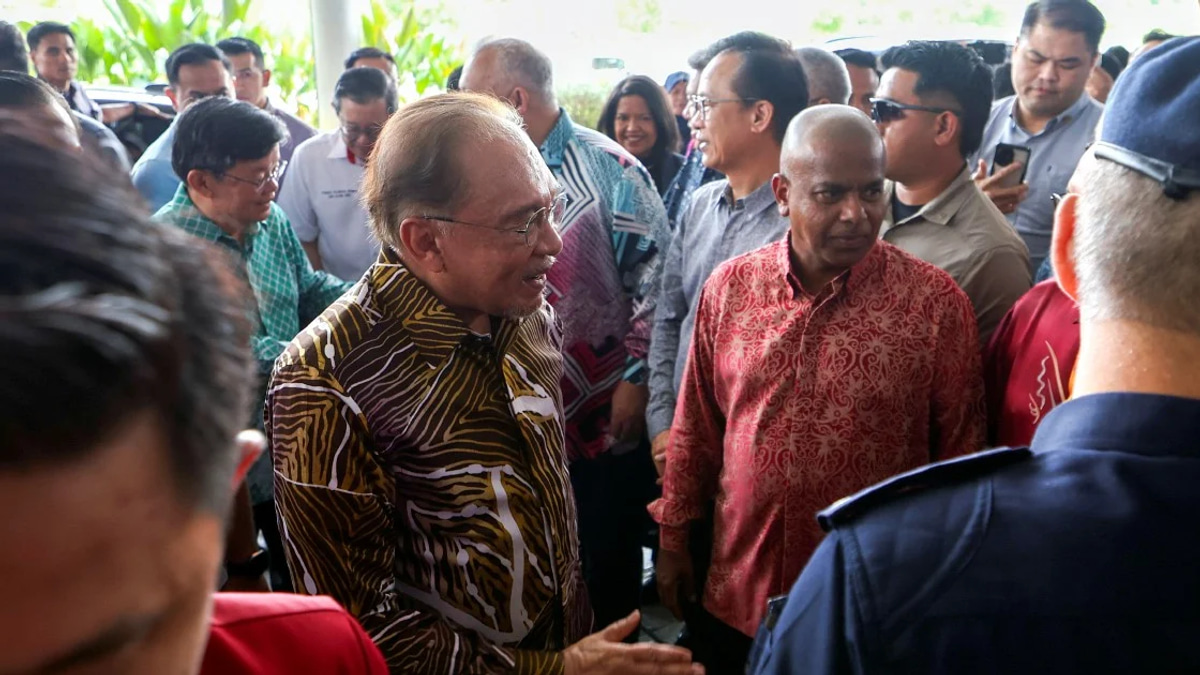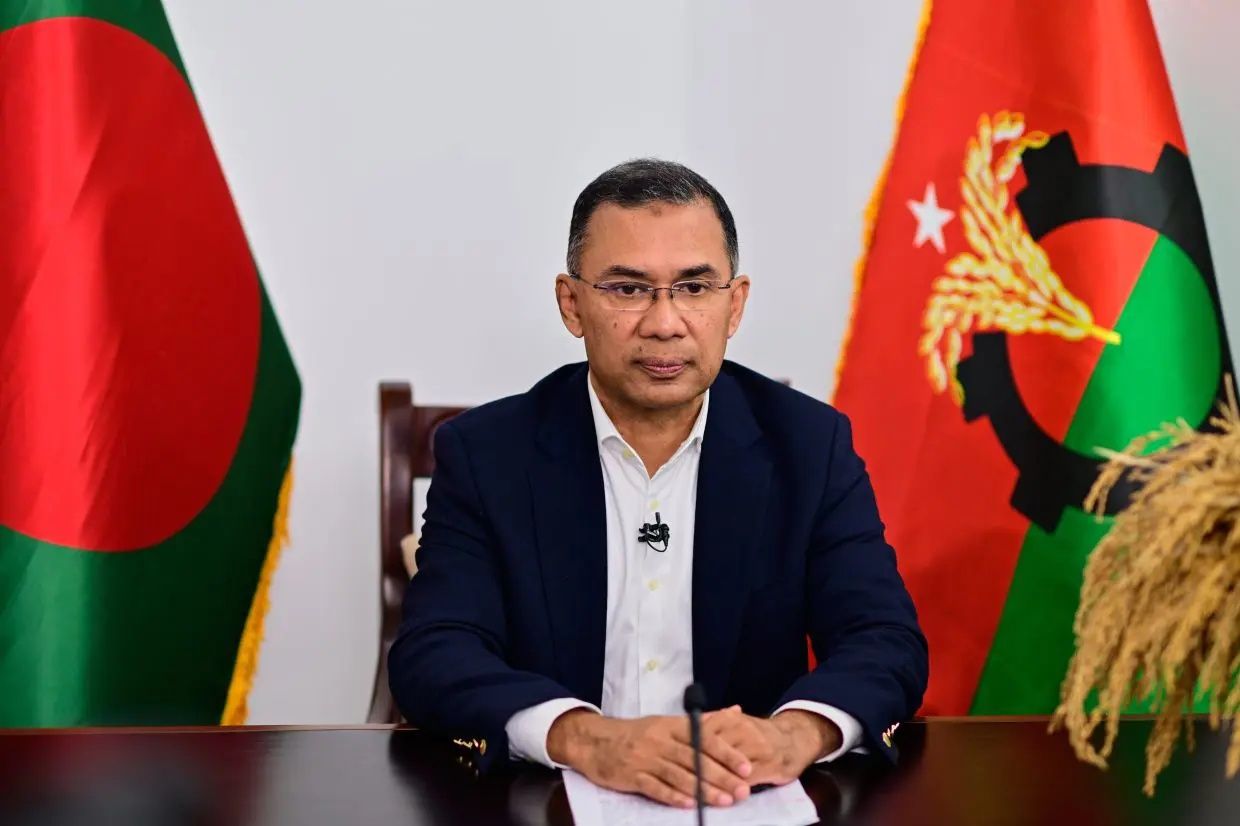
Bangladesh's newly elected Prime Minister Tarique Rahman is embarking on his inaugural foreign tour this weekend, with visits to Malaysia followed by China, in a move that underscores the country's strategic pivot away from historical reliance on its dominant neighbour India. The choice of destinations itself carries weighty diplomatic implications, as Rahman deliberately bypasses New Delhi in favour of Southeast Asia and a major power that has long competed with India for regional influence. The foreign ministry confirmed the itinerary on Saturday, with Malaysia scheduled first on Sunday before the Chinese leg commences the following day.
Rahman's selection of Malaysia as the opening stop reflects the country's deep economic interdependence with the Southeast Asian nation. With approximately 800,000 Bangladeshi workers currently employed across Malaysia, the country represents more than a third of Malaysia's entire foreign workforce. This substantial diaspora has transformed Malaysia into a crucial market for Bangladesh's labour exports and a source of vital remittances that prop up household incomes back home. The Malaysian leg of the visit will likely focus on strengthening labour agreements, improving worker protections, and exploring fresh opportunities for employment expansion in sectors where Bangladeshi workers have become indispensable.
The subsequent stop in Beijing carries even greater strategic weight, particularly regarding infrastructure development and trade cooperation. Chinese officials have reportedly placed major development projects on the agenda, with particular emphasis on the long-stalled Teesta River project. This initiative represents one of Bangladesh's most ambitious water management schemes, designed to restore ecological health and improve management of a crucial transnational waterway through comprehensive dredging operations, embankment reinforcement, and expanded irrigation systems. Chinese involvement and investment in this project could prove transformative for Bangladesh's agricultural productivity and environmental sustainability, though the geopolitical dimensions are equally significant.
The timing of Rahman's tour acquires deeper meaning when set against the turbulent political backdrop of recent years. A mass uprising in 2024 topelled Sheikh Hasina's government, which had enjoyed strong backing from India and maintained close New Delhi alignment. That revolution marked a rupture in Bangladesh's political trajectory, prompting Hasina to flee across the border into India, where she has remained in protective custody. Rahman's February election victory and subsequent assumption of power represented a fresh mandate from the Bangladeshi electorate, offering scope for recalibrating international relationships and pursuing policies less dependent on Indian strategic preferences.
Bilateral relations between Dhaka and New Delhi have deteriorated considerably since Hasina's ouster, despite initial hopes that Rahman's government might stabilise ties with the neighbouring giant. The most visible flashpoint concerns Hasina herself, as Bangladesh has persistently demanded India's extradition of the former premier to face justice at home. New Delhi, however, has consistently refused to deliver the fugitive leader, viewing her as a political ally who deserves protection. This intransigence has frustrated Rahman's administration and emboldened voices within Bangladesh calling for a more independent foreign policy less beholden to Indian pressure.
Border tensions have further strained the relationship between the two nations. India has been systematically pushing individuals it classifies as illegal migrants across the frontier into Bangladesh, a practice that has accelerated in recent months. This aggressive approach to managing undocumented migration has inflamed nationalist sentiment in Bangladesh and created humanitarian challenges for border communities. Rather than respecting established migration protocols or engaging in bilateral discussions, India's unilateral approach has reinforced perceptions in Dhaka that New Delhi views its smaller neighbour as a convenient dumping ground for population management challenges.
Rahman's deliberate choice to visit Malaysia and China before any other nation sends a pointed message about Bangladesh's evolving strategic orientation. By prioritising engagement with Southeast Asia and China, the new administration signals its intention to diversify partnerships and reduce vulnerability to Indian pressure. This rebalancing reflects broader regional dynamics in South Asia, where countries increasingly seek counterweights to India's dominant position. For Malaysia, hosting the Bangladeshi premier signals the deepening importance of South Asian engagement for Southeast Asian states managing their own China-India equilibrium.
China's role in the equation cannot be overstated, particularly as Beijing and New Delhi engage in ongoing competition for regional hegemony across South Asia. India has long viewed Chinese expansion of influence in the subcontinent with strategic alarm, seeing it as a fundamental threat to its sphere of dominance. By warming relations with Beijing and pursuing joint infrastructure projects, Rahman's government is implicitly signalling that Bangladesh need not defer to Indian preferences in determining its international partnerships. The Teesta project exemplifies this shift, as Chinese investment and expertise could render Bangladesh less dependent on Indian cooperation for critical water management and agricultural development.
The foreign ministry has publicly characterised these visits as representing a major diplomatic initiative designed to reinforce Bangladesh's economic partnerships and development prospects. This framing emphasises pragmatic economic considerations rather than ideological positioning, though the geopolitical undertones remain evident. For Malaysian stakeholders, the visit creates opportunities to negotiate improved terms for Bangladeshi worker programmes and potentially expand bilateral trade relationships. The visits also occur against a backdrop of Rahman's administration consolidating power following the revolutionary transition, with foreign policy serving as a vehicle for demonstrating competence and independence to a domestic audience.
Southeast Asian capitals will be watching these developments closely, as Bangladesh's diplomatic reorientation has implications for regional stability and balance. Countries like Malaysia must calibrate their own policies toward India and China while simultaneously strengthening ties with important South Asian neighbours. Rahman's inaugural tour represents not merely a ceremonial exchange but a substantive statement about Bangladesh's intended trajectory in the coming years. The absence of an Indian stop is conspicuous precisely because of the historical centrality of Dhaka-Delhi relations, making this omission a dramatic signal of changed calculations.
For Bangladesh's 170 million citizens, these diplomatic manoeuvres carry practical implications for economic opportunity, infrastructure development, and political autonomy. Diversification of partnerships offers potential for accessing alternative sources of investment capital, technology transfer, and market access. However, it also requires careful navigation of the complex regional geopolitics that define South Asian international relations. Rahman's government appears to have calculated that building stronger ties with China and deepening engagement with Southeast Asia serves Bangladesh's developmental interests better than maintaining the subordinate posture toward India that characterised the Hasina era.