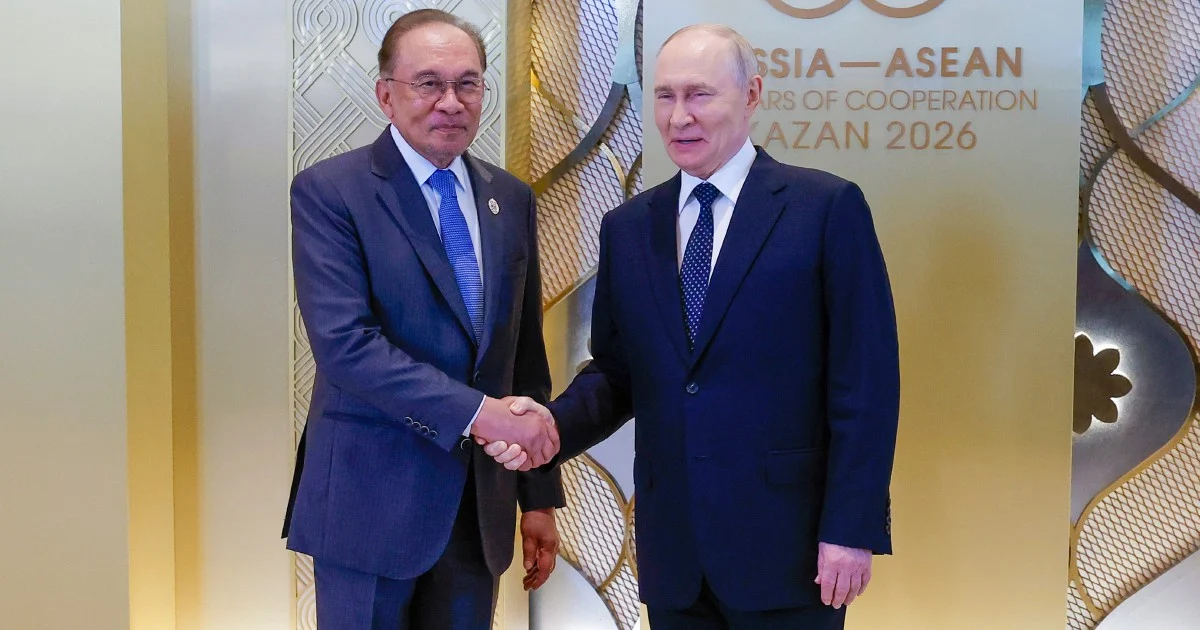
Prime Minister Datuk Seri Anwar Ibrahim's recent diplomatic missions to Russia and Turkmenistan have drawn praise from BRICS International Malaysia, which views the engagements as strategically valuable for the country's long-term energy independence and economic positioning in an increasingly multipolar global landscape.
The visits represent a deliberate expansion of Malaysia's international outreach beyond traditional Western partners, reflecting a broader strategic realignment that analysts say reflects changing geopolitical realities in Asia-Pacific and beyond. By engaging directly with major energy producers and emerging market economies, Malaysia is positioning itself to diversify its energy sources and reduce dependency on any single supplier, a particularly prudent approach given volatile global energy markets and the imperative to balance rising domestic demand with price stability.
Russia's hydrocarbon reserves and technological expertise in petroleum extraction and processing make it a logical choice for Malaysian engagement. Moscow controls substantial proven oil and natural gas reserves alongside advanced infrastructure for energy production and transportation. The bilateral discussions likely focused on mechanisms for stable, long-term energy supply arrangements, potentially including liquefied natural gas contracts or joint venture opportunities in upstream development. Such partnerships would complement Malaysia's existing energy import relationships while signalling to international markets that the country maintains diverse diplomatic and commercial relationships.
Turkmenistan, meanwhile, occupies a distinctive position in Central Asian geopolitics as one of the world's largest natural gas producers and a key participant in regional energy distribution networks. The former Soviet republic holds proven reserves that vastly exceed its domestic consumption, making it a significant exporter to Asia and Europe. Malaysian interest in Turkmenistan reflects recognition that Central Asian energy resources represent an increasingly important supply source as competition for energy resources intensifies globally, particularly with China and India actively securing long-term contracts across the region.
The timing of these visits underscores Malaysia's awareness that energy security constitutes a cornerstone of economic stability and industrial competitiveness. As Malaysia pursues transformation towards higher-value manufacturing and a knowledge-based economy, reliable and affordable energy remains non-negotiable. Any disruptions to energy supplies or dramatic price spikes could destabilise production costs across critical sectors, from petrochemicals to heavy industry, ultimately affecting employment and economic growth.
Beyond hydrocarbon extraction, the diplomatic missions likely addressed broader economic cooperation frameworks. Energy partnerships frequently serve as gateways to expanded trade relationships, technology transfer, and investment flows. Malaysian companies in construction, engineering, telecommunications, and financial services frequently benefit from energy-sector cooperation by gaining market access in partner countries. Conversely, Malaysian sovereign wealth funds and pension schemes increasingly seek diversified investment opportunities in Russian and Central Asian infrastructure projects.
The invocation of BRICS frameworks in characterising these visits carries specific significance. The BRICS bloc—comprising Brazil, Russia, India, China, and South Africa—represents the world's major emerging economies and has increasingly functioned as a counterweight to Western-dominated international institutions. While Malaysia is not a formal BRICS member, the country maintains robust economic ties with multiple BRICS nations and often coordinates positions with bloc members on matters of mutual interest. BRICS International Malaysia's endorsement suggests that the government's energy diplomacy aligns with broader strategic objectives shared across emerging markets, particularly regarding developing alternative pathways for economic cooperation that bypass traditional Western intermediaries.
These visits also demonstrate Malaysia's pragmatic approach to maintaining diplomatic relationships across ideological and geopolitical divides. The country has historically balanced relationships with Western allies, including the United States and European Union members, while simultaneously cultivating deep partnerships with rising powers. This balancing act remains essential given Malaysia's geographic position in Southeast Asia, where avoiding alignment with any single power bloc while maximising economic benefits from multiple relationships constitutes prudent statecraft.
The energy cooperation framework established or reinforced through these visits will likely take years to produce tangible results in the form of increased imports or joint ventures. International energy projects typically involve lengthy negotiation periods, regulatory approvals, and infrastructure development spanning multiple years. However, the diplomatic foundations laid now create the institutional framework and political will necessary for subsequent commercial agreements. Once operational, these arrangements could meaningfully alter Malaysia's energy portfolio, potentially reducing import costs and enhancing supply security.
For Southeast Asia more broadly, Malaysia's energy diplomacy with Russia and Turkmenistan carries regional implications. As the region's second-largest economy and a crucial energy hub, Malaysian decisions regarding energy partnerships influence regional supply dynamics and pricing structures. Other Association of Southeast Asian Nations members facing similar energy security challenges will likely monitor the outcomes of these initiatives and potentially pursue parallel engagement strategies with the same partners.
The strategic importance of these visits extends beyond immediate energy procurement to encompass Malaysia's positioning within emerging multipolar structures. By demonstrating capacity for independent diplomatic engagement with major global powers and emerging market economies, Malaysia reinforces its status as a significant regional actor capable of autonomous decision-making. This diplomatic assertiveness, particularly when coupled with tangible economic benefits from new energy partnerships, strengthens Malaysia's bargaining position across multiple dimensions of international relations.