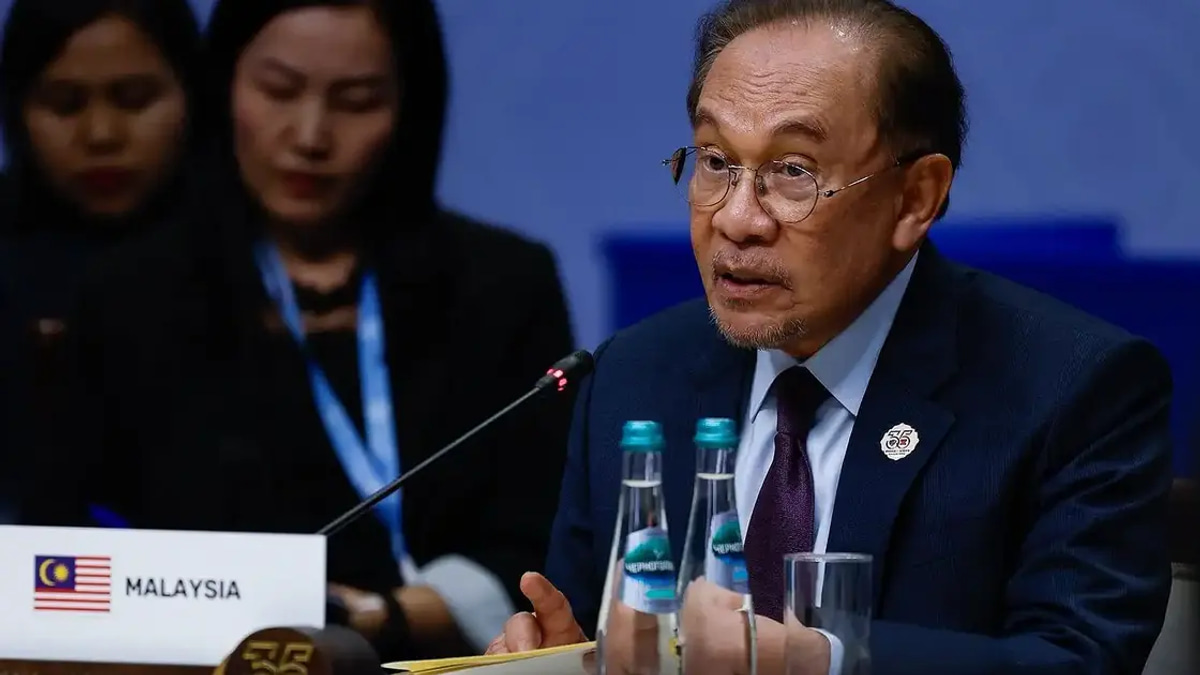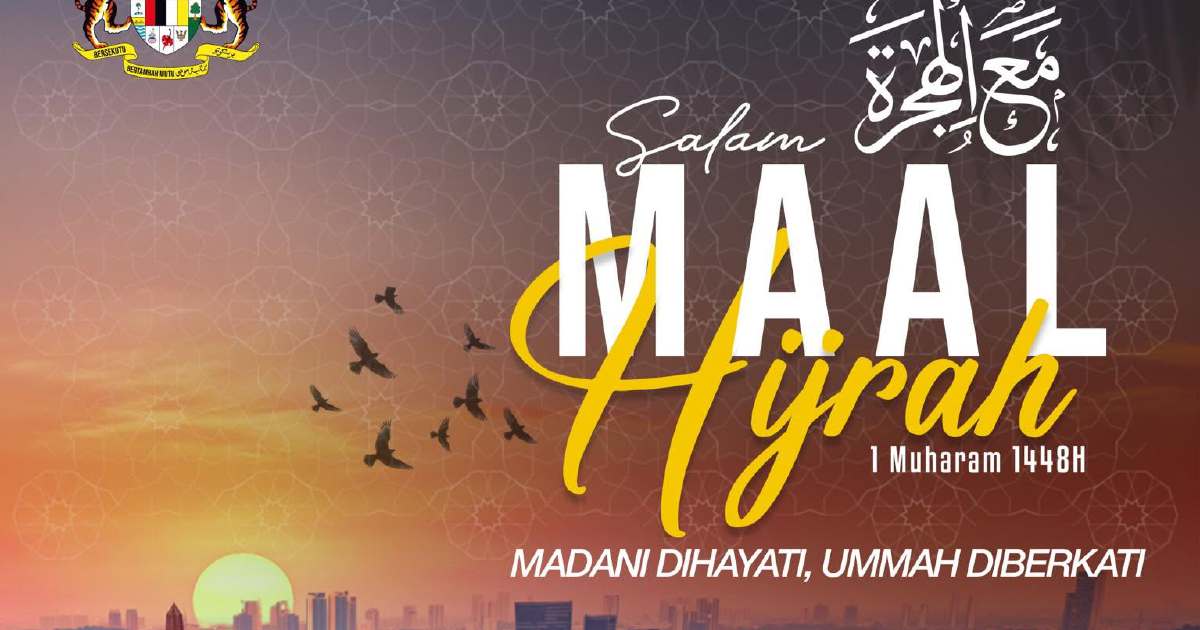
Prime Minister Datuk Seri Anwar Ibrahim has appealed to Malaysians to internalize and live by the foundational principles of Hijrah, framing the concept as integral to the nation's continued progress and social cohesion. The call represents a broader push by the Government to ground Malaysia's development agenda in spiritual and moral foundations alongside economic and administrative reforms.
Hijrah, a core Islamic concept with historical significance dating back to Prophet Muhammad's migration from Mecca to Medina in 622 CE, extends far beyond its literal meaning of physical relocation. In contemporary Malaysian discourse, the term carries profound implications about moral transformation, personal accountability, and collective responsibility. Anwar's invocation of this principle appears designed to foster a renewed commitment to foundational values that could transcend sectarian and political divisions in an increasingly polarized society.
The emphasis on truth as a cornerstone of Hijrah reflects growing concerns about misinformation and social fragmentation in Malaysia's digital age. By anchoring national discourse in veracity and authenticity, the Prime Minister signals an intention to combat false narratives and rebuild public trust in institutions. This resonates particularly with younger demographics who increasingly consume information across multiple platforms and are susceptible to disinformation campaigns.
Prosperity, as articulated in Anwar's framing, extends beyond mere economic growth metrics. The concept encompasses equitable wealth distribution, sustainable development, and inclusive economic opportunities that benefit all Malaysian communities. Given Malaysia's ongoing challenges with income inequality and the cost-of-living crisis affecting ordinary Malaysians, this rhetorical emphasis suggests the Government recognizes the need to align economic policies with moral imperatives. The message implicitly acknowledges that unbridled materialism divorced from ethical principles has contributed to social dysfunction and public dissatisfaction.
Security, the third pillar cited by Anwar, encompasses both physical safety and social stability. Malaysia faces multifaceted security challenges ranging from organized crime to cyber threats, religious extremism, and intercommunal tensions. By grounding security discourse in Hijrah's spiritual framework, the Prime Minister appears to propose that genuine national security emerges not merely through enforcement mechanisms but through cultivated moral awareness and collective ethical standards. This approach suggests that preventing crime and extremism requires addressing root causes including spiritual emptiness and social alienation.
The timing of this exhortation carries significance within Malaysia's political context. The Government has pursued numerous reform initiatives since Anwar's return to frontline politics, yet public confidence remains fragile amid persistent corruption allegations, bureaucratic inefficiency, and economic headwinds. By anchoring these reforms in religious-moral language, Anwar attempts to transcend partisan divisions and appeal to Malaysia's Muslim-majority population through culturally resonant frameworks. This strategy reflects sophisticated political communication aimed at building consent for governance agenda among diverse constituencies.
For non-Muslim Malaysians, the invocation of Hijrah raises questions about inclusivity and national identity. However, the emphasis on universal principles—truth, prosperity, and security—suggests these are framed as shared national values rather than exclusively Islamic imperatives. The challenge for the Government will be translating these aspirational principles into concrete policies that demonstrably improve citizens' lived experiences regardless of religious background or ethnic identity. Rhetoric divorced from tangible outcomes risks deepening cynicism.
Historically, Malaysian leadership has periodically invoked spiritual and moral language to mobilize public support during critical junctures. Anwar's appeal to Hijrah follows this tradition while also reflecting his personal intellectual framework, which consistently integrates Islamic thought with contemporary governance challenges. His speeches routinely reference Islamic jurisprudence alongside development economics, positioning himself as a leader capable of bridging spiritual and material concerns.
The Hijrah concept also carries implications for Malaysia's regional positioning. As Southeast Asia grapples with competing geopolitical pressures, climate challenges, and economic restructuring, framing national development within Islamic ethical frameworks resonates with ASEAN's Muslim-majority demographics while maintaining space for pluralistic values. This approach distinguishes Malaysia's governance model from both purely secular frameworks and theocratic approaches that exclude minority perspectives.
Implementing Hijrah principles at institutional levels presents considerable practical challenges. Government agencies must translate spiritual concepts into operational protocols, accountability mechanisms, and performance indicators. Without clear institutional mechanisms embedding these values into bureaucratic practice, Anwar's call risks remaining inspirational rhetoric lacking transformative power. The Government's track record in implementing previous reform agendas will significantly influence public receptiveness to this moral exhortation.
Moving forward, observers will assess whether this emphasis on Hijrah translates into measurable improvements in governance transparency, anti-corruption enforcement, economic inclusivity, and interfaith relations. Sustained commitment to these principles, reflected through policy implementation and institutional reform, will determine whether this appeal generates meaningful social transformation or becomes another rhetorical flourish in Malaysia's ongoing political narrative.