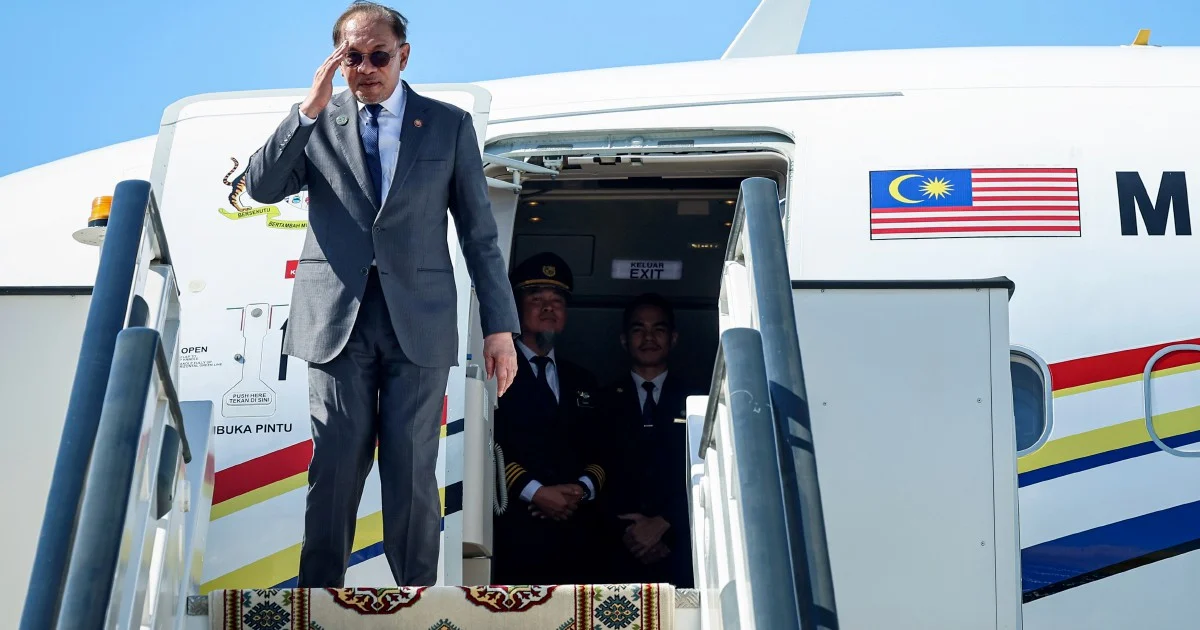
Prime Minister Datuk Seri Anwar Ibrahim touched down in Butterworth today after wrapping up his official state visit to Turkmenistan, pivoting directly to a packed schedule of domestic engagements in Penang. The rapid transition reflects the government's balancing act between deepening international diplomatic ties and maintaining momentum on key domestic initiatives. His arrival signals renewed focus on the northern corridor's economic development and the role of media in shaping national discourse.
The centrepiece of Anwar's Penang visit is his participation in the grand finale of Hawana 2026, the annual celebration of Malaysia's media fraternity and journalism profession. The National Journalists' Day event serves multiple purposes within the government's broader agenda: it provides a platform to acknowledge the media's role in nation-building, reinforces the government's commitment to press freedom and information transparency, and allows senior leadership to engage directly with journalists and news organisations shaping public opinion. For a Prime Minister navigating complex domestic challenges, such visibility before the media community carries significant symbolic weight.
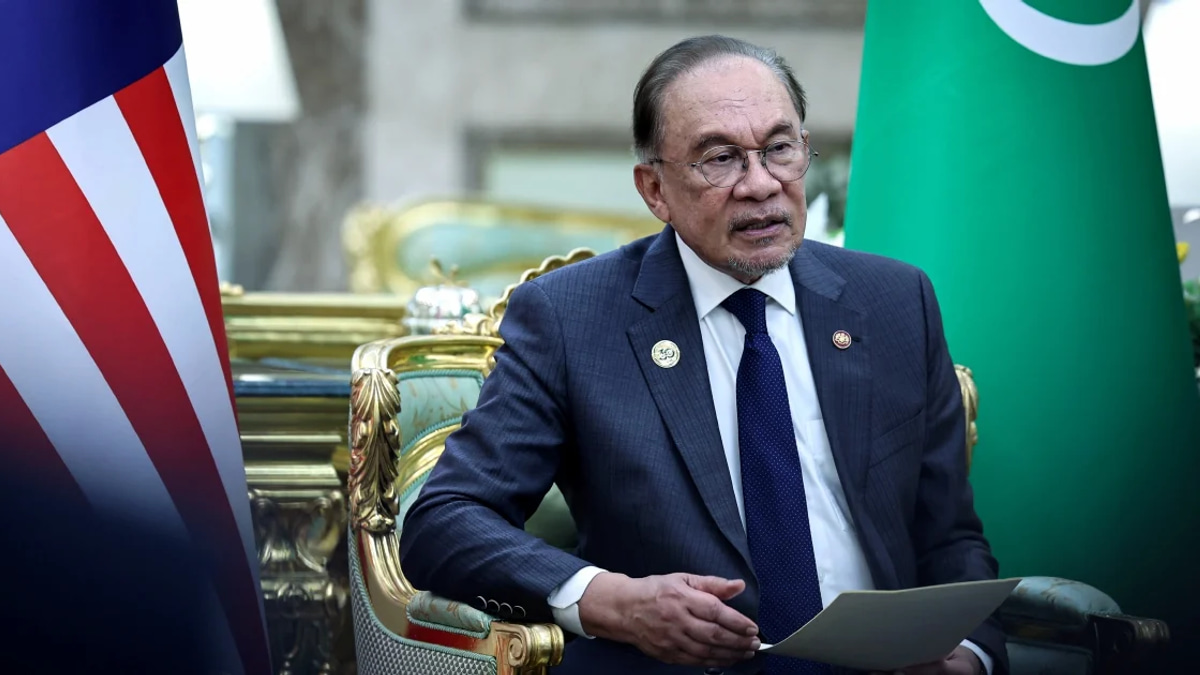
Anwar's visit to Turkmenistan preceding this Penang stop underscores Malaysia's expanding engagement with Central Asian nations, a region traditionally outside Southeast Asia's immediate sphere of focus. Turkmenistan, as a key energy-producing nation and strategic crossroads between Asia and Europe, represents untapped potential for Malaysian trade partnerships, investment opportunities, and diplomatic alignment. The timing of the visit suggests efforts to broaden Malaysia's geopolitical reach beyond traditional partners, particularly as regional dynamics shift and economic diversification becomes increasingly critical.
The Penang leg encompasses multiple investment-related events beyond the Hawana celebrations, indicating that Anwar's visit serves a dual economic and political mission. Penang, as one of Malaysia's industrial powerhouses and a major foreign investment hub, remains crucial to the government's economic growth targets. Recent years have seen the state emerge as a focal point for semiconductor manufacturing, electrical and electronics assembly, and renewable energy initiatives. By appearing in Penang at this juncture, the Prime Minister signals sustained government support for the state's industrial expansion and attracts further capital commitments from both domestic and international investors.
The scheduling also reflects strategic political considerations. Penang has been a bastion of opposition politics, though recent shifts have complicated this simple narrative. Anwar's visible presence in the state, paired with substantive engagement on economic development, serves to reinforce federal government relevance and capability in addressing local concerns. His attendance at flagship national events like Hawana transforms these occasions into platforms for political messaging and relationship-building with stakeholders across the state.
The Hawana event itself carries particular resonance in Malaysia's current political climate. Media institutions have faced mounting pressures—from declining advertising revenues, digital disruption, and shifting consumption patterns—challenges intensified during the post-pandemic recovery. By elevating the visibility of National Journalists' Day through Prime Ministerial participation, the government acknowledges these pressures while reaffirming its support for a robust and independent fourth estate. This positioning is especially relevant given ongoing debates about media autonomy, government-press relations, and the information ecosystem's role in democratic governance.
Investment events accompanying the visit likely focus on attracting capital into priority sectors identified in Malaysia's mid-to-long-term development plans. These may encompass green technology, advanced manufacturing, digital innovation, and services sectors where Penang has established competitive advantages. Government officials typically use such occasions to announce new initiatives, streamlined approval processes, or fiscal incentives designed to improve the investment climate and accelerate capital inflows.
The swift transition from Central Asian diplomacy to domestic engagement illustrates the compressed nature of modern prime ministerial duties. Anwar must simultaneously manage Malaysia's foreign relations, attend to domestic political pressures, oversee economic policy implementation, and maintain visibility across regions and communities. This itinerary demands not only physical stamina but also strategic coherence—ensuring that international missions and domestic activities reinforce rather than contradict the government's overarching objectives.
For Malaysian and Southeast Asian observers, Anwar's Turkmenistan visit signals openness to non-traditional partnerships that might yield economic benefits or geopolitical advantages. Central Asia's energy resources, infrastructure development ambitions, and positioning within Chinese Belt and Road Initiative dynamics make it increasingly relevant to Southeast Asian policymakers. Malaysia's engagement with Turkmenistan could presage broader regional repositioning and diversified economic partnerships.
The Penang visit concludes a whirlwind diplomatic and domestic engagement cycle that demonstrates the government's commitment to simultaneously pursuing external partnerships and internal economic development. Media engagement through Hawana provides opportunity for narrative-setting around government achievements and future directions, while investment events translate political pronouncements into concrete economic activity. Together, these engagements represent an integrated approach to governance that recognises the interconnectedness of diplomatic relations, economic growth, and domestic political positioning in contemporary Malaysia.