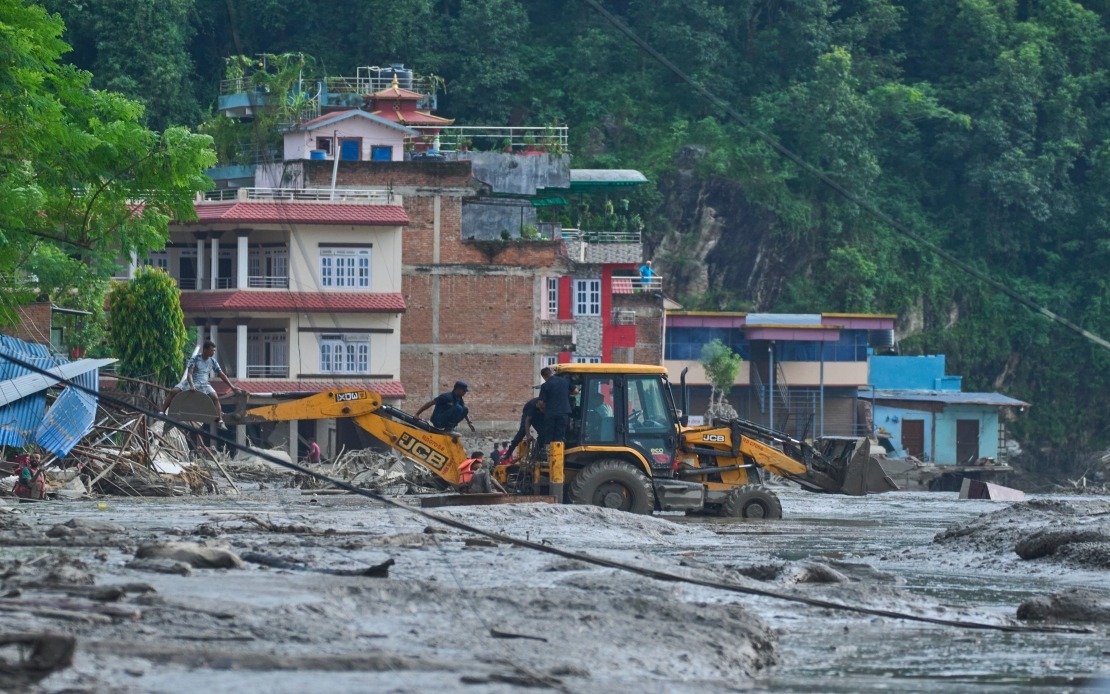
A devastating flash flood that tore through Nepal's Rasuwa district on Wednesday morning has left seventeen Malaysians unaccounted for, according to Nepal's tourism board. The missing nationals were part of tour groups managed by Fishtail Tours and Travels, a travel agency that had organized their visit to the region. The incident marks one of the most significant disasters involving Malaysian tourists in recent years, prompting an urgent response from Malaysia's diplomatic mission in Kathmandu.
The scale of the catastrophe extends far beyond Malaysian citizens affected by the deluge. Nepal's tourism board reported that at least 291 foreign nationals and 93 Nepalese citizens have lost contact in the aftermath of the flooding. Police forces and tour operators across the region are mobilizing search efforts, attempting to piece together the whereabouts of those missing. The situation remains fluid, with rescue teams working against time to locate survivors and establish communication with stranded groups.
The Malaysian Foreign Ministry revealed that initial assessments indicated 11 Malaysian nationals believed to be in Rasuwa district had lost connection with their families and tour operators following the flood. This discrepancy in the numbers—with the tourism board citing 17 missing Malaysians—suggests the full scope of Malaysia's nationals caught in the disaster may still be emerging. The ministry emphasized that the Malaysian Embassy in Kathmandu was actively coordinating with Nepalese government bodies to monitor the situation and facilitate rescue operations.
The flooding originated from the Bhote Koshi river, which swelled dramatically during the deluge and unleashed its fury across the vulnerable region. The waters swept away multiple villages in their path, obliterating homes and infrastructure. Critical infrastructure including roads, buildings, and hydropower projects in the Rasuwagadhi-Timure area suffered extensive damage, hampering rescue efforts and complicating the movement of emergency services through affected zones. The destruction of transportation networks has created significant logistical challenges for search and rescue teams attempting to access remote areas where tourist groups may have been stranded.
For Malaysian tourists and their families back home, the disaster underscores the risks associated with trekking and tourism activities in mountainous regions during monsoon season. Rasuwa district, located in central Nepal along the China border, is a popular destination for adventure tourism and trekking expeditions. The area attracts many Southeast Asian visitors seeking to experience the Himalayan landscape, yet its geography and weather patterns render it vulnerable to sudden natural disasters. The flash flood serves as a sobering reminder of the importance of weather monitoring and emergency preparedness for tour operators conducting activities in geologically active and monsoon-prone areas.
The international dimensions of this disaster reveal how widely distributed the casualties are among foreign nationals. India has reported 142 of its citizens missing, including 37 Indian expatriates living abroad who were vacationing in Nepal. Citizens from Britain, South Africa, and the United States are also among those unaccounted for, indicating this was a multinational group of tourists caught simultaneously by the flood. This international composition means multiple embassies and governments are now coordinating with Nepalese authorities, potentially creating both complexity and additional resources for search operations.
Nepal's government has deployed search and rescue teams across the affected areas in a concerted effort to locate survivors and establish the fates of the missing. The Nepalese authorities, working alongside tour operators and international rescue coordinators, are attempting to access isolated pockets where tourist groups may have sought shelter. Weather conditions continue to pose a challenge to these operations, with aftereffects of the monsoon system still threatening the region.
For Malaysia's diplomatic apparatus, the situation demands rapid intelligence-gathering and coordination with tour operators, local authorities, and family members of the affected nationals. The Foreign Ministry's focus on ensuring the Malaysian Embassy actively engages with Nepalese authorities reflects the standard protocol for consular emergencies abroad. Establishing communication channels with survivors and identifying the deceased remains the immediate priority, followed by repatriation assistance for those requiring medical attention or bereavement support.
The incident will likely prompt Malaysian travel agencies and the tourism industry to reassess safety protocols for tours operating in monsoon-affected regions during high-risk seasons. Insurance requirements, guide training, weather forecasting integration, and evacuation procedures may come under renewed scrutiny. Regional tourism boards and governments across Southeast Asia often learn from such disasters, implementing stricter safety standards and emergency response mechanisms for their nationals traveling to geologically sensitive destinations.
As rescue operations continue, the Malaysian government maintains an active watch on developments. Families of the missing nationals await updates, while the search teams work methodically through the devastated landscape. The situation underscores the vulnerability of tourists in remote regions and the critical importance of rapid diplomatic response when Malaysian citizens face emergencies abroad.

