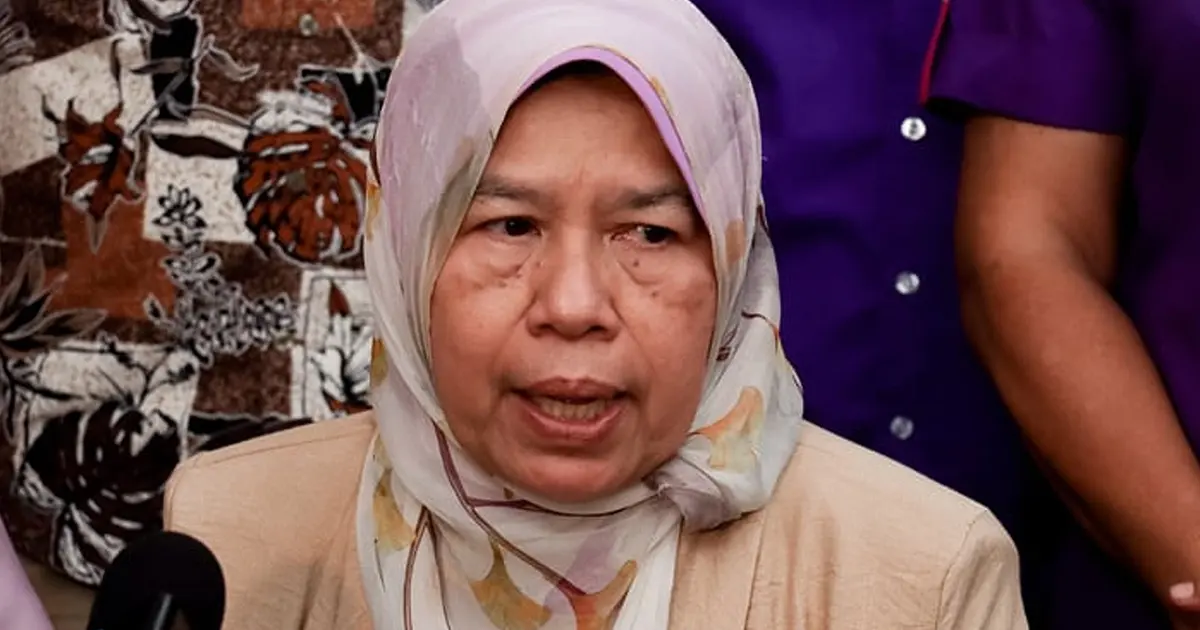
Zuraida Kamaruddin, the former deputy president of Parti Keadilan Rakyat, has definitively closed the door on any prospect of returning to the political party, despite Prime Minister Anwar Ibrahim's recent appeals to estranged party members. Her public rejection of the invitation marks another chapter in the complex personal and political dynamics that continue to shape Malaysia's fractious opposition landscape.
The statement carries particular significance given Zuraida's historical prominence within PKR ranks. Her departure from the party, which saw her transition through other political vehicles, underscores deeper fissures within Anwar's coalition that extend beyond simple policy disagreements. The former vice-president's refusal to engage with reconciliation overtures suggests that whatever prompted her exit remains sufficiently unresolved to preclude any near-term reunion.
Anwar's recent call for party veterans to return represents a broader PKR strategy to consolidate support and broaden the party's appeal beyond its current base. In a political environment where coalition arithmetic remains perpetually precarious, even modest numbers of returning members could theoretically strengthen the party's parliamentary position. However, Zuraida's dismissal of this initiative indicates that at least some prominent former members view fundamental issues as unrectified.
The context of Zuraida's position within Malaysian politics merits consideration. As a woman who achieved significant rank within a major political party, her decisions carry weight beyond personal preference. Her trajectory through various political homes reflects the broader instability affecting Malaysia's opposition coalition, where defections and realignments have become recurring occurrences rather than exceptional events. For female politicians particularly, such transitions often carry additional complexity regarding power dynamics and institutional support structures.
PKR itself faces a critical juncture regarding its internal cohesion and long-term viability. The party has endured successive waves of departures and defections over the past decade, each contributing to a perception of instability that hampers its electoral prospects. Anwar's attempts to reverse this trend by appealing to former members represent a tacit acknowledgment that current party dynamics lack sufficient magnetic force to retain or recapture talented personnel.
Zuraida's public stance may also reflect calculations about her own political future. Politicians who depart from established parties typically do so after concluding that their aspirations cannot be adequately served within existing structures. Her refusal to contemplate return suggests confidence in her chosen trajectory or alternatively, a pessimistic assessment of PKR's trajectory under current leadership. Either interpretation raises questions about the underlying governance challenges within the party.
The broader implications for Malaysia's political system warrant attention. When experienced political operators like Zuraida systematically exit major parties and resist reintegration efforts, the phenomenon suggests systemic problems rather than isolated personality conflicts. This pattern contributes to governmental instability, as coalition partners lose confidence in each other's durability and coherence. Such volatility ultimately affects policy implementation capacity and public faith in institutions.
For Southeast Asian observers, Malaysia's political dynamics illustrate the persistent challenges facing transitional democracies. While institutional frameworks exist for party competition and parliamentary governance, the absence of stable organisational cultures within major parties creates recurring crises. Regional counterparts facing similar difficulties might observe that neither electoral engineering nor leadership appeals prove sufficient without genuine institutional reform addressing internal governance practices.
Zuraida's position also carries implications for women's representation in Malaysian politics. Her refusal to return to a party where she achieved high rank might reflect assessments about the sustainability of female advancement within that particular environment. The political choices of prominent female politicians often signal broader gendered dynamics within party structures that deserve public scrutiny and discussion.
Moving forward, Anwar's administration must confront whether merely extending invitations to former members addresses the root causes driving departures. Genuine reconciliation and party renewal would require substantive changes to internal decision-making processes, power-sharing arrangements, and organisational culture. Without such fundamental reforms, additional veterans like Zuraida may continue to resist reintegration, leaving PKR unable to fully consolidate the coalition resources necessary for sustained electoral competitiveness.
The exchange between Anwar's administration and figures like Zuraida represents a microcosm of challenges facing Malaysia's broader political ecosystem. Institutional renewal in opposition parties remains as critical to democratic health as government performance itself. Until parties demonstrate capacity for genuine reform and inclusive governance, cycles of departure and failed reconciliation will likely persist, further fragmenting the nation's political landscape and complicating efforts to build stable, programmatic opposition alternatives.

