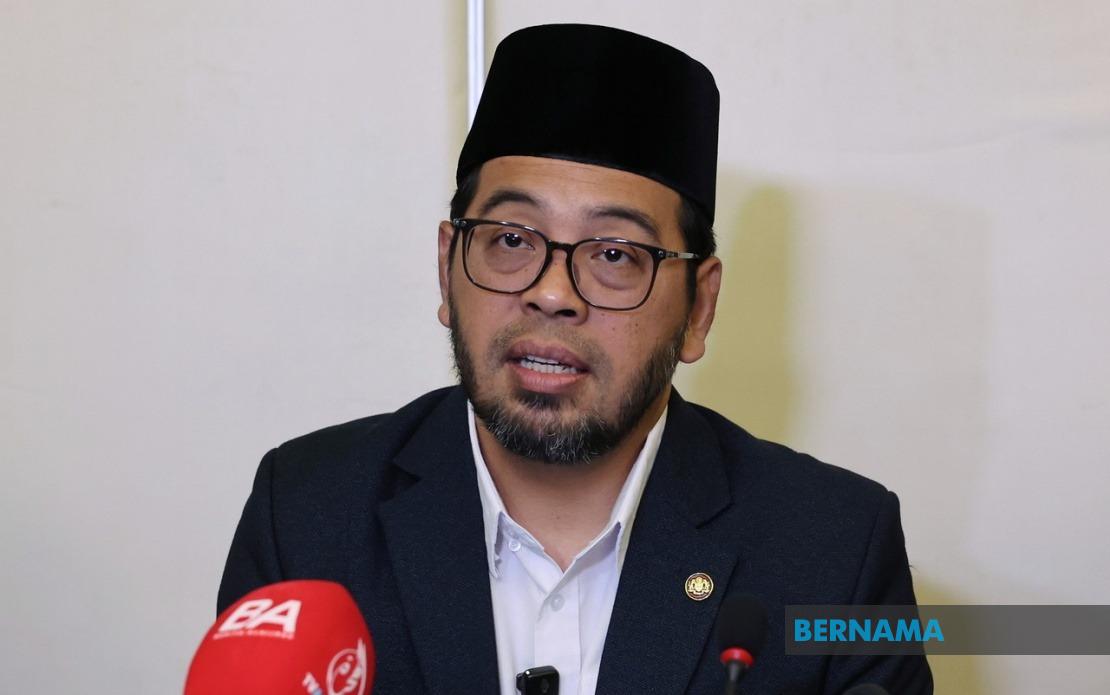
Parliament will convene for a special sitting tomorrow morning to examine the findings of a comprehensive Royal Commission of Inquiry into Lembaga Tabung Haji's governance and management over a six-year period spanning 2014 to 2020. Dr Zulkifli Hasan, who serves as Minister in the Prime Minister's Department (Religious Affairs), will lead the ministerial presentation of the 211-page report, which the government made public on July 29 following a decision to ensure transparency around its conclusions.
The inquiry has emerged as a significant moment of parliamentary accountability for the hajj savings fund, one of Malaysia's most important financial institutions serving millions of Muslim citizens who contribute to it for their pilgrimage expenses. The special sitting scheduled to commence at 10 am will grant members of parliament the opportunity to scrutinise the document comprehensively and engage with government officials responsible for overseeing the institution. This formal parliamentary review process underscores the seriousness with which policymakers are treating the matters identified during the commission's investigation.
Zulkifli confirmed in a brief video statement distributed to media that he will be joined by Finance Minister II Datuk Seri Amir Hamzah Azizan in winding up the parliamentary debate following member contributions. Their joint involvement indicates that both the religious affairs and financial portfolios consider the report's implications substantial enough to warrant senior ministerial engagement. The two-minister approach reflects the report's dual relevance to institutional governance and national financial management, signalling a coordinated governmental response.
Crucially, the minister indicated that the Cabinet has directed officials to pursue disciplinary and possibly legal action against individuals implicated in the findings. While Zulkifli did not elaborate on the specific nature of potential sanctions, his statement that "action should be taken against those involved in the case" suggests the government is prepared to move beyond mere investigation into remedial measures. This commitment to consequences addresses public concerns that inquiries into high-profile institutional failings sometimes conclude without meaningful follow-up.
Parliamentary interest in the briefing appears substantial, with Communications Minister Datuk Seri Fahmi Fadzil noting that at least 40 members had registered to participate in the debate before the sitting commenced. Such extensive engagement indicates that lawmakers across different political alignments recognise the importance of the Tabung Haji situation to their constituents. For many Malaysian parliamentarians, particularly those representing constituencies with significant Muslim populations dependent on the fund, the inquiry findings touch on matters of direct concern to voters.
The release of the full 211-page report represents an important exercise in public accountability, as the government determined that disclosure would serve the public interest better than confidentiality. This decision contrasts with previous instances where sensitive institutional investigations have been withheld from public view. By making the inquiry accessible, policymakers have enabled civil society, media, and individual citizens to independently assess the commission's work rather than relying solely on ministerial interpretation.
For Malaysian citizens and observers in Southeast Asia watching institutional governance standards in the region, the Tabung Haji investigation demonstrates how formal review mechanisms can function to scrutinise the management of significant public institutions. The fund's importance extends beyond religious significance, as it represents a major financial entity holding substantial assets contributed by ordinary Muslims whose savings warrant protection. Weaknesses in institutional oversight therefore carry implications for financial sector confidence more broadly.
The parliamentary debate will provide an opportunity for elected representatives to probe deeper into specific concerns raised by the commission, questioning officials directly about causes of any identified deficiencies and proposed remedies. This interactive process often reveals nuances not captured in written reports and allows members to raise concerns particular to their constituencies. For policymakers considering broader reforms to institutional governance or financial oversight frameworks, the parliamentary exchange may generate insights informing future regulatory improvements.
The timing of this special sitting reflects the government's intention to address the inquiry findings systematically and publicly rather than allowing the report to recede from public attention. By scheduling parliamentary debate relatively soon after the report's release, authorities demonstrate commitment to following through on the inquiry process with concrete parliamentary engagement. This approach builds confidence in institutions by showing that accountability mechanisms do lead to active governmental response.
Moving forward, the outcomes of tomorrow's parliamentary session will likely influence public perception of institutional integrity in Malaysia. How thoroughly members examine the findings, whether the government's promised action materialises with appropriate transparency, and whether parliamentary recommendations translate into implemented reforms will all contribute to determining whether citizens regard the inquiry as a meaningful accountability exercise or a procedural formality. The session thus represents an important moment for demonstrating how democratic institutions can hold powerful organisations to account.

