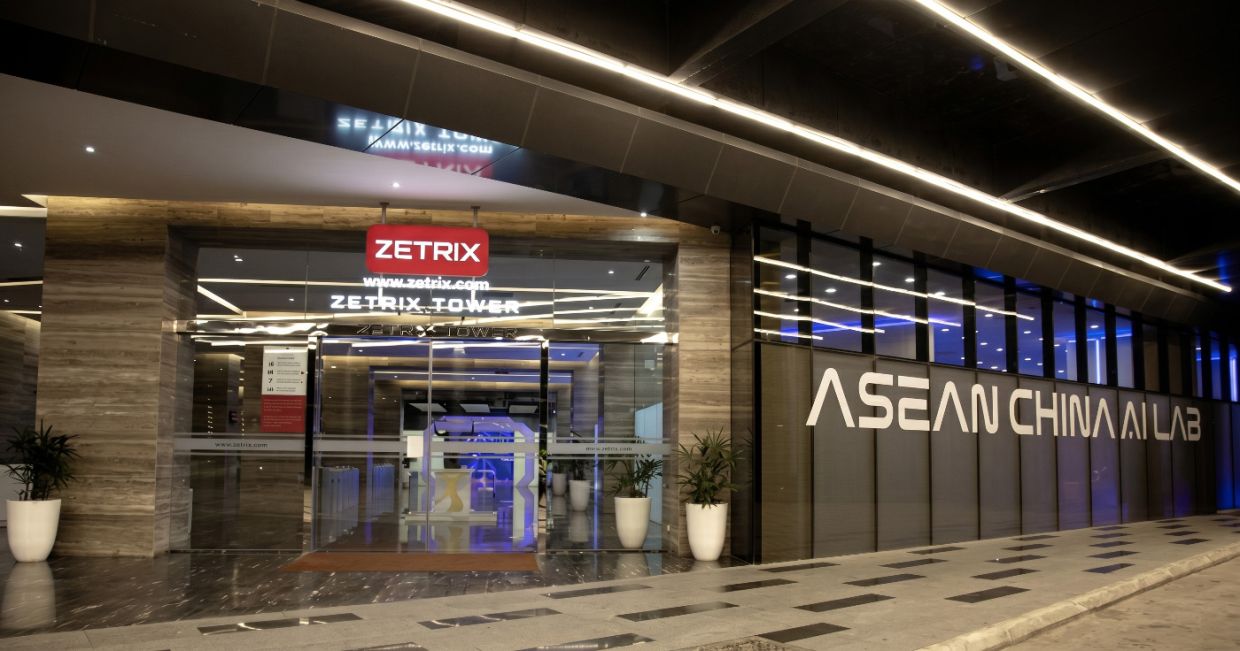
Technology firm Zetrix AI Bhd has moved swiftly to dispel market rumours linking it to corruption allegations targeting a former government minister, following a dramatic halving of its share price in trading Friday. The company's clarification came after the stock exchange regulator, Bursa Malaysia Securities Bhd, sought explanation for the sudden and substantial trading volatility that saw the technology company's shares plummet without any official announcement to justify the movement.
In a formal response to an unusual market activity query, Zetrix AI categorically stated it bears no connection whatsoever to former human resources minister Datuk Seri M. Saravanan or the three graft charges he faces at the Sessions Court. The charges, filed on August 28, centre on Saravanan's alleged authorisation of foreign worker quotas and represent serious allegations of abuse of public office. The company's denial appears designed to halt speculation that somehow implicated the firm in the former minister's legal troubles.
The technology sector has grown increasingly prominent in Malaysian corporate life, with numerous companies expanding their digital footprint across government and private operations. Zetrix AI's involvement in technology services means any suggestion of political entanglement carries particular weight among institutional investors and retail shareholders alike. The company's immediate and comprehensive denial suggests management recognises how damaging such associations can be to market confidence and corporate reputation, regardless of factual merit.
According to Zetrix AI's exchange filing, the firm characterises the linking of its name to Saravanan's charges as mere speculation and unfounded rumour with no factual basis. The company emphasises that it is entirely unaware of any substantive connection between the corruption allegations and its commercial operations or business affairs. This distinction matters significantly, as investors need assurance that management has conducted thorough internal review before making such categorical statements.
To satisfy regulatory requirements and investor concerns, Zetrix AI undertook comprehensive enquiries across its board of directors, principal shareholders, and other pertinent stakeholders. Following this internal investigation, the company confirmed the absence of any unreported corporate developments that might logically explain the trading activity, whether such developments were in discussion, negotiation, or advanced stage. This methodical approach demonstrates the company's attempt to address the root cause of market uncertainty through transparent process.
The technology firm acknowledged that wild market speculation regarding the Saravanan charges appears to have triggered the substantial trading volume and price movement. During Friday's session, Zetrix AI shares crashed through the lower circuit breaker limit, losing 30 sen to close at 29.5 sen per share. Trading volume reached approximately 1.05 billion shares during the day, indicating panic selling and substantial investor concern despite the company's denials. This disconnect between corporate statement and market action suggests investors remain unconvinced or have lost confidence for other undisclosed reasons.
The incident highlights the vulnerability of Malaysian-listed technology companies to reputational contagion through mere association with political controversy. In an era where corporate governance and political connections remain closely scrutinised by regulators and shareholders alike, companies must navigate an increasingly complex landscape where perception can drive market movements independent of fundamental business conditions. Zetrix AI's situation exemplifies how quickly unfounded rumours can translate into shareholder losses.
Beyond the immediate denial, Zetrix AI stated it cannot identify any alternative explanation for the unusual trading activity other than the speculation surrounding Saravanan's charges. This statement effectively places responsibility for the share price collapse on market participants reacting to unsubstantiated connections, rather than any legitimate corporate issue. However, the company's inability to propose other explanations does not necessarily resolve investor concerns or address why the market would attach significance to such connections.
For Malaysian investors and the broader market, this episode raises important questions about information flow and market discipline. The Bursa Malaysia Securities query process itself represents regulatory vigilance, yet the mechanism appears insufficient to restore confidence once unfounded rumours gain traction. Companies facing similar circumstances must balance transparent denial with proactive communication strategies, as the Zetrix AI experience demonstrates that formal regulatory responses alone may not calm roiled markets.
The Saravanan corruption case itself carries implications beyond the individual accused, as allegations involving foreign worker quota administration touch on labour policy matters affecting businesses across multiple sectors. Any perception that corporate entities might be implicated in such matters inevitably sends ripples through connected companies and sectors. Zetrix AI's emphatic denial and regulatory response attempt to sever any such linkage before broader market damage extends through the technology sector.
Looking forward, Zetrix AI faces the challenge of rebuilding investor confidence through operational performance and transparent communication. The company will likely face continued scrutiny from institutional investors and analysts seeking to understand both why the rumours emerged and why the market initially believed them. Management's next step typically involves detailed engagement with major shareholders and press commentary explaining business fundamentals and strategic direction, moving focus away from the discredited speculation.

