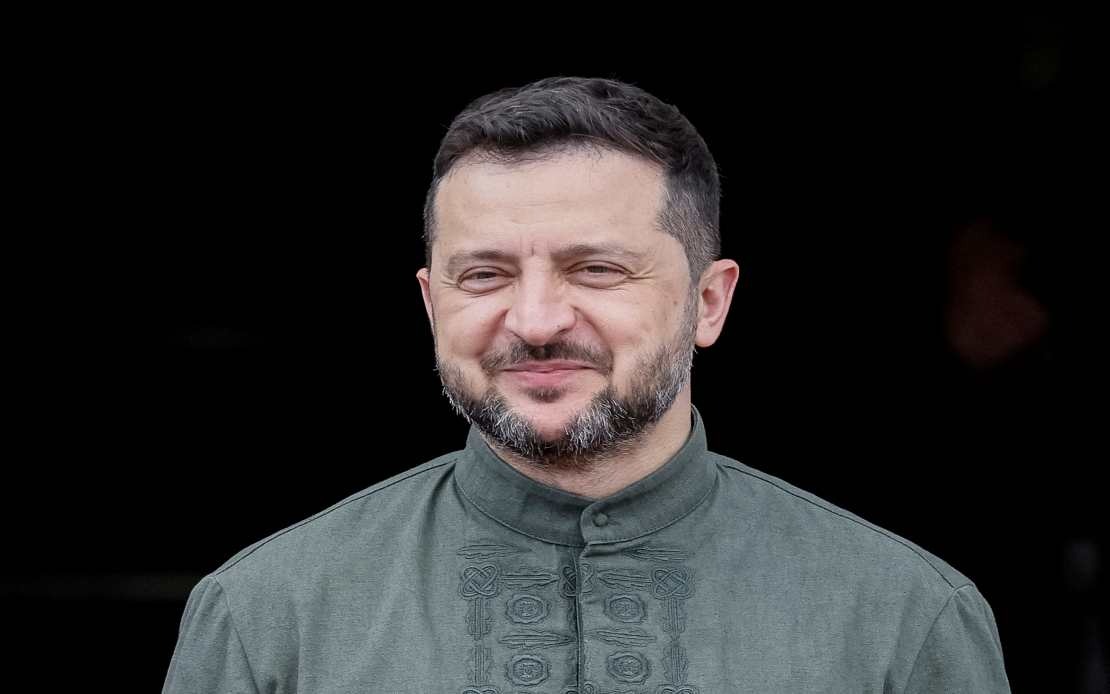
Ukrainian President Volodymyr Zelensky has signed into law a controversial measure establishing a national pantheon in Kyiv dedicated to honouring the nation's historical figures and independence heroes. The decision comes despite fierce objections from Poland, a crucial Western ally supporting Ukraine's defence against Russian invasion. The parliamentary announcement, carried by the Ukrinform news agency, signals Zelensky's determination to proceed with a project that threatens to further strain relations between two neighbouring nations with a complex and tragic shared history.
At the heart of the controversy lies the planned inclusion of members of the Ukrainian Insurgent Army, the UPA, an underground nationalist movement that operated during World War II. From Poland's perspective, honouring these figures amounts to glorifying perpetrators of mass atrocities. Historical records document widespread killing of Polish civilians and Jews across the Volyn region, which corresponds to present-day western Ukraine, with victim counts reaching tens of thousands during the German occupation period. The competing narratives—Ukrainian emphasis on anti-Nazi resistance versus Polish focus on victimhood—encapsulate a fundamental disagreement about historical interpretation that neither country has successfully resolved.
Zelensky sought to defuse tensions by reaffirming national sovereignty over the matter. Speaking before war veterans on Saturday, the Ukrainian leader declared that "the Ukrainian pantheon will definitely be built, and only Ukrainians will decide who is a hero for us." This statement reflects broader questions about national memory and how countries memorialize contentious historical periods. For Ukraine, particularly during wartime, the pantheon represents an assertion of national identity and pride in figures who resisted foreign domination, regardless of their actions against other populations.
The memorial structure itself will encompass historical figures spanning centuries, beginning with the medieval Kyivan Rus empire and extending through modern times. Beyond serving as a museum and educational space, the pantheon is designed to function as a burial site for Ukrainian presidents and other national luminaries, underscoring its significance as a monument to state continuity and power. The state will fund and oversee the project, making it an official expression of national values and historical interpretation.
Bilateral tensions have escalated dramatically since the law's parliamentary passage in July. Poland's presidential office issued a sharp rebuke, with President Karol Nawrocki's team stating that from Warsaw's perspective, venerating individuals convicted of genocide contradicted Ukraine's proclaimed alignment with Western values. The message carried implicit warning that such actions could complicate Ukraine's European integration efforts, a sensitive matter for Kyiv as it seeks stronger Western institutional ties amidst the Russian conflict.
The dispute deepened through symbolic diplomatic gestures that reveal the severity of the rupture. Earlier tensions emerged in June when Zelensky awarded a military unit the honorary designation "Heroes of the UPA." In response, the Polish government undertook the extraordinary step of withdrawing the Order of the White Eagle that it had previously presented to Zelensky—a meaningful repudiation given such decorations typically remain permanent honours. Multiple Ukrainian and Polish officials subsequently returned medals and honours they had received from their counterparts, a tit-for-tat exchange illustrating how quickly disagreement escalated into mutual recrimination.
Poland's position reflects deep historical wounds and ongoing concerns about how Ukraine addresses World War II narratives. The Volyn massacres represent one of the darkest chapters in Polish-Ukrainian relations, and survivors' descendants view any commemoration of perpetrators as a personal affront. For Poland, supporting Ukraine militarily against Russian aggression does not require accepting historical revisionism that dismisses or minimizes Polish suffering. This creates a delicate balancing act for Warsaw: maintaining crucial alliance with Kyiv while refusing to endorse narratives it considers distortions of documented atrocities.
Ukraine's perspective emphasizes the complexity of wartime resistance movements and questions the application of contemporary moral standards to historical actors who operated in extraordinary circumstances. Ukrainian historians and politicians argue that the UPA fought against Soviet and Nazi occupation, and that selective focus on atrocities against Poles ignores their broader anti-totalitarian struggle. This argument carries particular resonance in Ukraine's current existential conflict with Russia, where national solidarity and pride in resistance figures seem essential to maintaining public morale and military commitment.
The timing of Zelensky's signature, occurring amid active warfare, underscores Ukraine's prioritization of internal nation-building even as international relations suffer. The law's enactment suggests Kyiv perceives strengthening national identity and commemoration as strategically important during conflict, potentially viewing such measures as bolstering societal cohesion against Russian pressure. However, this domestic calculation risks alienating valuable international support at a moment when Ukraine depends on Western backing.
For Southeast Asian observers, this dispute illustrates the enduring challenge of reconciling national historical narratives within international alliances. Countries across the region navigate similar tensions regarding contested histories, minority group experiences, and competing interpretations of colonial and wartime periods. The Polish-Ukrainian case demonstrates how memorializaton decisions transcend domestic politics, acquiring international dimensions that can undermine diplomatic cooperation. Malaysia and other regional nations recognizing complex ethnic and religious histories understand the stakes involved when governments institutionalize particular versions of historical truth.
The pantheon controversy also reflects broader questions about how post-Soviet states construct identity. Ukraine's memorialization project represents an attempt to establish distinct historical narratives separate from Soviet and Russian frameworks. Yet in doing so, Ukraine must balance nationalist expression with regional diplomatic relationships. The conflict with Poland suggests such balancing remains incomplete, with immediate domestic imperatives sometimes overriding longer-term alliance management.
Looking forward, the issue threatens further deterioration unless both countries pursue dialogue addressing historical grievances. Poland's withdrawal of honours and the mutual denunciation of previously awarded decorations indicate serious diplomatic damage already incurred. While Ukraine insists on sovereign rights regarding national memorials, Poland's position as a military supplier and European champion of Ukrainian aid gives Warsaw meaningful leverage. The unfolding situation will test whether wartime alliance solidarity can withstand deep historical disputes, with implications extending beyond bilateral relations to broader Western support for Ukraine.

