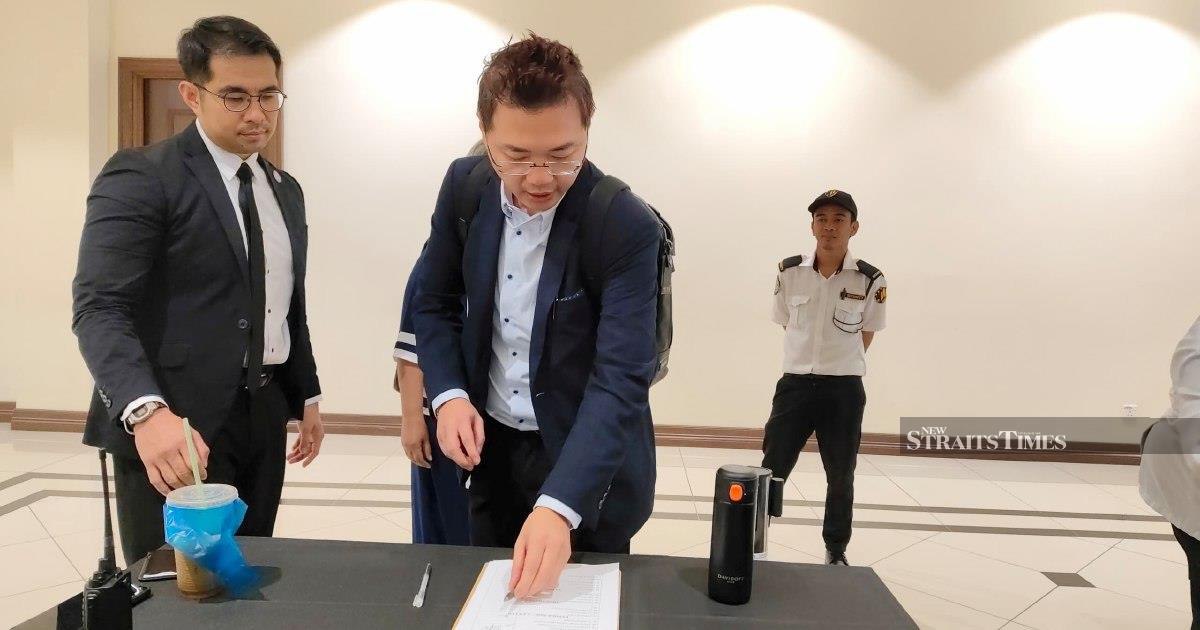
A psychiatrist provided testimony in Kota Kinabalu's coroner's court today that Noraidah Lamat, the mother of Zara Qairina Mahathir, requires more than the procedural machinery of the inquest to navigate her grief. The mental health professional emphasised that the bereaved mother needs dedicated emotional and psychological support running in parallel with the court's investigation into the circumstances of her daughter's death.
The testimony marks an important recognition within Malaysia's legal system of how complex and emotionally taxing inquests can be for families seeking answers. The coroner's proceedings, while designed to establish facts around unexplained or suspicious deaths, can extend over months and involve detailed examinations that inevitably reopen wounds and demand emotional resilience from those most directly affected. For Noraidah Lamat, the process of having every detail of her daughter's final days examined and cross-examined in open court presents both the opportunity for clarity and the risk of compounded trauma.
Inquests in Malaysian law serve a protective function for the public interest—they determine how deaths occurred and whether systemic failures or negligence played a role. Unlike criminal trials, they do not determine guilt or innocence, but rather establish facts and can lead to recommendations aimed at preventing similar deaths. Yet this investigative purpose, while vital, can overshadow the emotional reality faced by families who are simultaneously grieving and seeking accountability.
The psychiatrist's assessment suggests that Noraidah Lamat's mental health trajectory depends significantly on receiving structured psychological care. This might include counselling, trauma-informed support, and access to mental health professionals familiar with the particular stresses of judicial proceedings. Without such support, even families with strong resilience can experience re-traumatisation as they hear evidence presented, relive their loss through testimony, and absorb the clinical language used to describe their loved one's death.
The case of Zara Qairina Mahathir has drawn public attention in Sabah and across Malaysia. The attention itself—both from media coverage and public scrutiny—adds another layer of complexity that families must manage while the inquest proceeds. The simultaneous demands of participating in legal proceedings while processing grief in a public context can overwhelm even determined parents seeking truth.
This recommendation from the psychiatrist reflects broader international best practice in how judicial systems address the holistic needs of bereaved families. Many Commonwealth jurisdictions have begun integrating victim support services, liaison officers, and mental health referrals into coroner's processes. The United Kingdom, for instance, provides family liaison officers to guide bereaved families through inquests, ensuring they understand proceedings and can access support services. Such measures do not compromise the integrity of fact-finding but rather acknowledge that courts operate within human contexts where grief is real and significant.
For the Malaysian judiciary, the psychiatrist's testimony provides an opportunity to examine how inquests might better support families while maintaining the rigorous investigation required. This could include training court officials on trauma-informed communication, establishing mental health support as standard rather than exceptional, and ensuring families understand the timeline and process of the proceedings ahead. Clear communication alone can reduce anxiety and help families prepare emotionally for what they will witness.
Noraidah Lamat's case also highlights how inquest outcomes, while important for public understanding and systemic improvement, do not necessarily provide the emotional closure that bereaved parents seek. Facts established and recommendations made can feel hollow to someone processing the loss of a child. Acknowledging this gap between legal truth-finding and emotional healing is not a weakness in the system; it is a recognition of human need.
The psychiatrist's evidence also underscores that emotional support and fact-finding are not competing interests but rather complementary processes. A mother who is adequately supported psychologically is better positioned to engage meaningfully with the inquest, to absorb and process information, and ultimately to contribute to the fact-finding process. Conversely, a family in acute psychological distress may struggle to meaningfully participate or to benefit from the truth the inquest establishes.
Moving forward, the coroner's court in Kota Kinabalu will continue examining the circumstances surrounding Zara Qairina Mahathir's death. The psychiatrist's testimony serves as a formal record that the family's emotional welfare is an essential consideration within that investigation—one that the court is now explicitly aware of and, by extension, potentially responsible for addressing.
For families in similar situations across Malaysia, this case sets an important precedent. It signals that courts are beginning to recognise that inquests operate not merely as fact-finding mechanisms in a legal vacuum, but within the lived experience of grieving families whose wellbeing must be part of the system's responsibility. Whether this recognition translates into structural changes to how Malaysian courts support families through these processes remains to be seen, but the psychiatrist's testimony has placed the issue clearly on the record.

