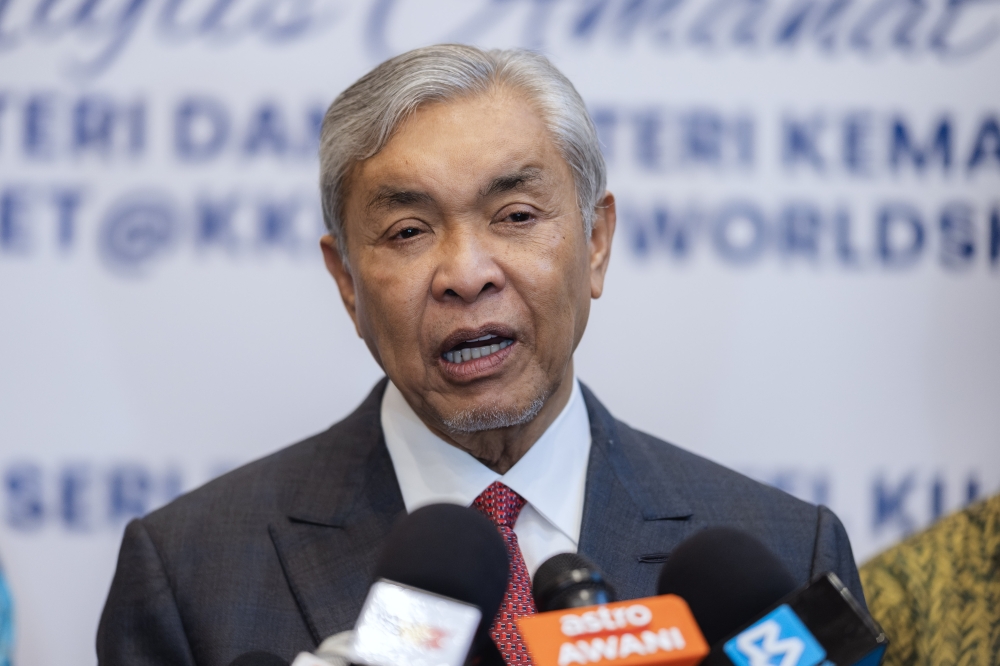
Deputy Prime Minister Datuk Seri Dr Ahmad Zahid Hamidi has announced a significant incentive scheme designed to reward Malaysian vocational and technical education training (TVET) students who achieve gold-medal status at the WorldSkills competition. The fully sponsored Umrah pilgrimage represents a substantial recognition of excellence in the technical skills sector and reflects the government's determination to elevate Malaysia's standing in international vocational competitions.
The initiative comes as Malaysia intensifies efforts to develop its skilled workforce and compete on the global stage for technical proficiency. WorldSkills is widely recognised as one of the world's largest and most prestigious competitions for vocational and technical skills, drawing competitors from dozens of countries who demonstrate expertise across diverse trades and technical disciplines. By offering such recognition, Zahid aims to motivate young Malaysians to pursue excellence in fields that are critical to the nation's economic development and industrial competitiveness.
This incentive programme underscores a broader strategic shift within the Malaysian government toward placing greater emphasis on TVET pathways as viable and prestigious career routes. Traditionally, academic progression has dominated the educational aspirations of Malaysian families, yet vocational skills remain in acute demand across manufacturing, construction, hospitality, and emerging green technology sectors. The Umrah sponsorship signals that technical achievement merits recognition comparable to other accomplishments and reflects evolving attitudes toward non-traditional education trajectories.
WorldSkills medals, particularly gold achievements, represent the pinnacle of technical capability among young professionals globally. Malaysian competitors who win at this level demonstrate not merely competence but world-class expertise in their chosen disciplines. The government's willingness to invest in recognising these accomplishments demonstrates commitment beyond rhetorical support for TVET development. Such tangible rewards can significantly influence the decisions of secondary school leavers considering their educational futures and may encourage higher participation rates in technical training programmes.
The timing of this announcement reflects Malaysia's participation in upcoming WorldSkills events and the competitive drive to enhance the nation's medal tally and international reputation. Each additional gold medal translates into visible proof that Malaysian TVET systems produce graduates capable of competing against international peers across developed and developing economies. This competitive dimension carries implications for Malaysia's broader positioning as a regional knowledge economy and manufacturing hub.
For TVET institutions across the country, this initiative provides additional motivation to invest in training quality, instructor development, and student support systems. Institutions capable of producing WorldSkills champions gain reputation benefits that extend beyond the immediate achievement, attracting stronger cohorts of students in subsequent years. The announcement may therefore catalyse a virtuous cycle of improvement across Malaysia's vocational education landscape.
The Umrah sponsorship also carries spiritual and cultural significance in Malaysia's Muslim-majority context. Framing technical excellence as worthy of such recognition—a pilgrimage opportunity—elevates vocational achievement within cultural and religious frameworks that carry deep meaning for Muslim students and families. This integration of spiritual reward with secular accomplishment may resonate particularly powerfully with TVET students from communities where religious observance features prominently in family and community identity.
From a regional perspective, Malaysia's emphasis on TVET excellence positions the nation competitively against other Southeast Asian economies similarly seeking to develop skilled workforces. Countries including Vietnam, Indonesia, and Thailand have invested heavily in vocational education systems, and Malaysia's initiatives to recognise and reward excellence contribute to a broader Southeast Asian talent competition. Malaysian success at WorldSkills elevates the entire region's profile in global skills development.
The economic dimensions of this policy warrant consideration as well. Countries with strong TVET systems and international recognition for technical excellence attract investment in sectors requiring skilled labour. Demonstrating that Malaysian vocational graduates can compete globally at the highest level sends signals to multinational corporations and international investors regarding workforce quality, potentially influencing decisions about facility location and expansion within Malaysia versus competing regional destinations.
Implementation of such a programme requires coordination across multiple agencies including the education ministry, relevant religious authorities, and international relations bodies responsible for WorldSkills participation. Clear criteria for eligibility, transparent selection processes, and timely delivery of promised benefits will determine whether the initiative achieves its intended motivational effects. Poorly executed programmes risk creating disappointment rather than inspiration among target audiences.
Looking forward, this announcement may presage additional government initiatives supporting TVET pathways. Complementary policies addressing instructor quality, curriculum relevance, workplace partnerships, and progression pathways from TVET into higher education or direct employment would strengthen the ecosystem surrounding vocational training. The Umrah incentive functions most effectively as one element within a comprehensive strategy rather than in isolation.
The proposal also invites scrutiny regarding resource allocation and whether similar recognition might extend to other forms of excellence—academic, artistic, athletic—or whether TVET warrants particular emphasis. Policy coherence across education and talent development portfolios ensures that various initiatives reinforce rather than contradict each other. Malaysian policymakers will benefit from monitoring implementation outcomes and international reactions to determine whether the initiative achieves its dual objectives of motivating individual excellence and enhancing Malaysia's competitive positioning in global skills competitions.

