%22%2F%3E%3C%2Fpattern%3E%3C%2Fdefs%3E%3Crect%20width%3D%22100%25%22%20height%3D%22100%25%22%20fill%3D%22url(%23ph4vqojg)%22%2F%3E%3Crect%20width%3D%22100%25%22%20height%3D%22100%25%22%20fill%3D%22url(%23ph4vqojp)%22%2F%3E%3Ctext%20x%3D%2250%25%22%20y%3D%2250%25%22%20text-anchor%3D%22middle%22%20dominant-baseline%3D%22central%22%20fill%3D%22rgba(255%2C255%2C255%2C0.95)%22%20font-family%3D%22Georgia%2C%20'Times%20New%20Roman'%2C%20serif%22%20font-weight%3D%22700%22%20font-size%3D%22272%22%20letter-spacing%3D%22-0.02em%22%3EZahid%3C%2Ftext%3E%3C%2Fsvg%3E)
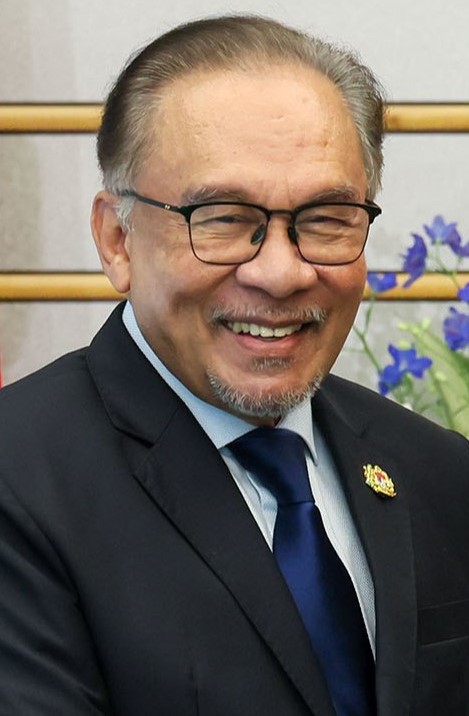
Deputy Prime Minister Datuk Seri Ahmad Zahid Hamidi has categorically denied issuing any directive to curtail the Johor Menteri Besar's involvement in Felda-related affairs, responding to recent allegations that threatened to deepen rifts within the federal and state administration. Speaking in Kuala Lumpur on June 24, Zahid characterised the claims as unfounded, emphasising that no such instruction had emanated from his office.
The denial comes at a delicate moment for the federal government, which has been navigating complex relationships between Putrajaya and several state administrations, particularly in the economically significant state of Johor. The Felda (Federal Land Development Authority) situation touches upon a sensitive intersection of state and federal authority, with the settlement scheme encompassing thousands of smallholder farmers and vast agricultural holdings that matter substantially to rural economies across Malaysia.
Zahid's statement addresses what appears to be growing tension over governance boundaries regarding Felda's operations and policy direction. The deputy prime minister's firm rebuttal suggests that miscommunications or assumptions about federal interference in state-level decision-making have sparked the controversy. Such disputes over administrative jurisdiction can undermine coordination between tiers of government at a time when economic challenges demand unified responses.
The Johor Menteri Besar holds considerable influence over state development agendas, and any perceived diminishment of that authority could signal deeper governance fragmentation. Felda, which operates across multiple states and manages substantial agricultural and land resources, sits at the intersection of federal and state interests. The authority's decisions on land allocation, farmer support programmes, and commercial ventures directly affect both state revenue streams and federal agricultural policy objectives.
Previous disputes over institutional boundaries in Malaysia have occasionally created operational bottlenecks, hampering efficient service delivery to beneficiaries. Felda schemes serve approximately 117,000 landholding families, making the organisation crucial to rural livelihoods and broader food security considerations. When ambiguity exists about who holds decision-making authority over Felda matters, implementation of development projects and farmer assistance programmes can suffer delays.
The timing of these allegations warrants scrutiny, occurring as political coalitions continue recalibrating their positions following recent electoral cycles. Johor, as one of Malaysia's largest and wealthiest states, often becomes a focal point for inter-party and inter-level government negotiations. The state's political significance means that even administrative disputes carry broader ramifications for national political stability and policy coherence.
Zahid's position as deputy prime minister and his portfolio responsibilities place him centrally in decisions affecting federal agencies and their relationships with state governments. His explicit denial suggests that either a genuine misunderstanding has occurred, or that someone may have misrepresented the extent of federal authority over state-level Felda decisions. Either scenario points to communication deficiencies that merit institutional examination to prevent future friction.
The Menteri Besar's access to Felda decision-making processes carries practical importance beyond symbolic concerns about state autonomy. Johor's Felda-settled areas span considerable territory, and ensuring the state's chief executive can engage meaningfully on issues affecting constituent communities forms a basic expectation of cooperative federalism. Any actual restriction would have represented an unusual assertion of federal dominance over what many view as shared jurisdictional space.
Observers of Malaysian politics note that such disputes often reflect underlying tensions between competing political factions or personality clashes between senior officials. The public denial by Zahid, while categorical, does not entirely clarify the genesis of these allegations or address whether subordinate officials might have acted in ways that created an appearance of restriction, even without explicit top-level direction.
For Malaysian and Southeast Asian stakeholders monitoring governance in the region's largest economies, the Felda situation exemplifies persistent challenges in multi-tiered administrative systems. Clear demarcation of responsibilities between federal and state authorities remains an ongoing negotiation in Malaysian politics, with each crisis offering opportunities to refine institutional relationships and communication protocols.
Moving forward, the federal government may benefit from formalising consultation mechanisms between the Deputy Prime Minister's office and state administrations regarding shared agencies like Felda. Such frameworks could prevent future misunderstandings while preserving both federal oversight and legitimate state involvement in matters affecting their constituents. The denial, while emphatic, underscores the importance of transparent governance protocols in managing federalism's complexities.