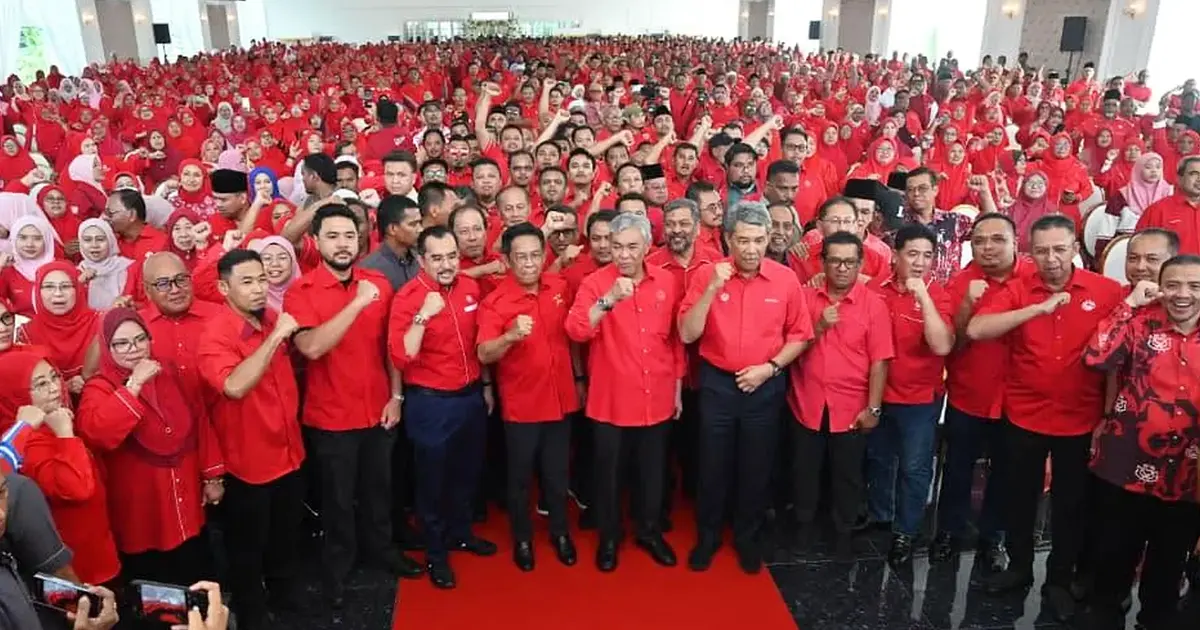
Barisan Nasional chairman Ahmad Zahid Hamidi has stepped back from direct involvement in the coalition's candidate selection process for the Negeri Sembilan state elections, delegating authority to the Negeri Sembilan BN chief to oversee negotiations and seat allocations. The move reflects a pragmatic approach to managing internal coalition dynamics at the state level, where regional sensitivities and political relationships often determine electoral outcomes more decisively than national-level directives.
Zahid's decision to empower Tok Mat — the Negeri Sembilan BN chief — represents a calculated shift toward distributed leadership within the coalition. Rather than centralising these delicate negotiations at party headquarters, which could breed resentment among component parties or grassroots members, Zahid has effectively positioned the state leadership as the primary decision-maker. This approach allows for greater flexibility in addressing Negeri Sembilan-specific political considerations that a national chairman might not fully appreciate from Kuala Lumpur.
The delegation of candidate selection responsibilities carries significant implications for how Barisan Nasional manages coalition cohesion ahead of state elections. In multi-component coalitions like BN, seat negotiations represent some of the most contentious internal discussions, as each party competes for winnable constituencies and leadership positions. By placing Tok Mat at the centre of these discussions, Zahid effectively shields himself from direct blame if any coalition partner feels shortchanged while simultaneously empowering the state leader to build consensus among local political figures who understand the ground realities.
Negeri Sembilan's political landscape presents its own unique challenges and opportunities for the ruling coalition. The state has historically been competitive, with Barisan Nasional maintaining dominance but facing periodic electoral threats. Local issues, feudal sensitivities within the Negeri Sembilan ruling family structure, and established political networks often outweigh broader national narratives in determining voting patterns. A state-based approach to candidate selection therefore allows for more nuanced calibration of candidates who possess deep roots and credibility within specific constituencies.
This decentralisation strategy also reflects broader lessons the coalition has learned from recent electoral contests. Previous experiences where national headquarters imposed candidates without adequate local consultation have sometimes resulted in internal friction and weakened campaign effectiveness. By devolving decision-making authority to Tok Mat and the Negeri Sembilan BN machinery, the coalition reduces the risk of such disconnects whilst simultaneously increasing local ownership of electoral outcomes.
The role of Tok Mat as the focal point for these negotiations positions him as the political arbiter for the state, enhancing his authority and prestige within Negeri Sembilan politics. This concentration of responsibility also means he will bear substantial accountability if seat negotiations falter or if the coalition's electoral performance disappoints. The weight of expectation that comes with such delegation serves as a natural incentive for thorough, inclusive discussions that address the interests of all coalition partners.
Component parties within Barisan Nasional — including UMNO, MCA, and MIC — will likely appreciate a state-level approach to negotiations rather than a centralised model. Each party maintains its own territorial interests and membership sensitivities, and state-level discussions allow party leaders to advocate directly for their members without the additional layers of bureaucracy that national-level processes might introduce. This can potentially streamline negotiations and reduce the timeline for candidate finalisation.
For Malaysian political observers, Zahid's approach signals a maturation in how the coalition manages internal diversity. Rather than attempting to impose a one-size-fits-all template across all state-level contests, the BN chairman has recognised that electoral success often depends on local knowledge and relationships. Negeri Sembilan, with its distinctive political culture and royal traditions, benefits particularly from decision-making frameworks that prioritise state-level input and preserve the autonomy of local leadership.
The implications of this delegation extend beyond mere administrative convenience. It reflects a broader strategic question about the future structure of Barisan Nasional itself — whether the coalition will continue trending toward centralised national coordination or increasingly embrace a federal model where state and federal leadership share powers more explicitly. How effectively Tok Mat manages the Negeri Sembilan seat negotiations will likely influence how the coalition approaches similar processes in other states and the internal dynamics of BN leadership more broadly.

