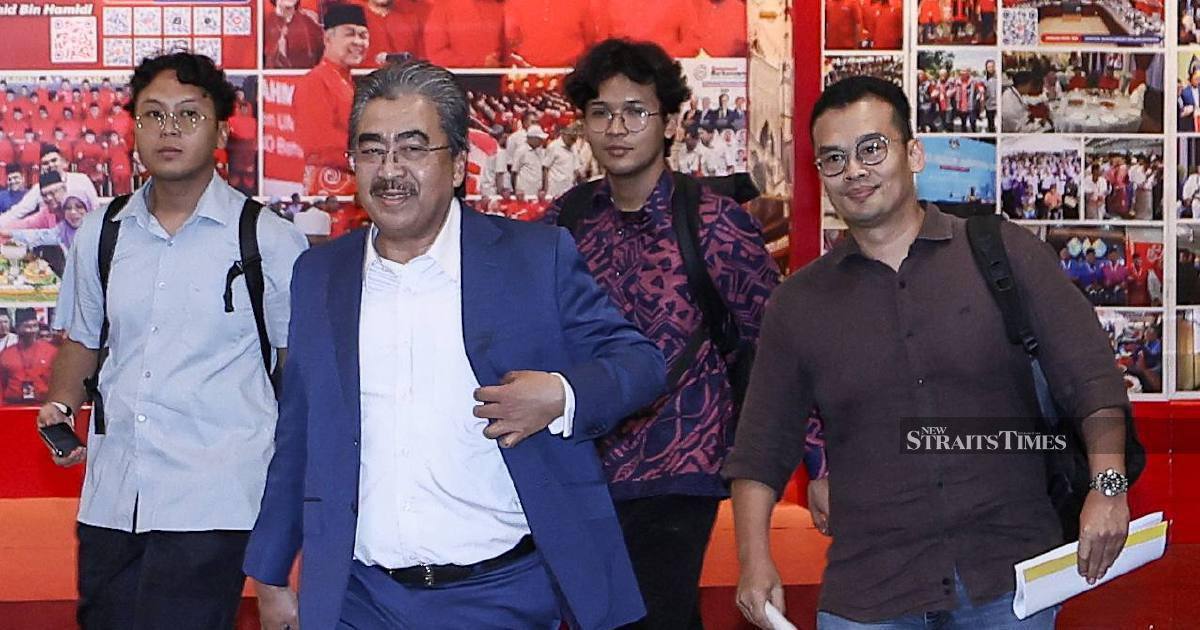
Deputy Prime Minister Zahid Hamidi brought together the country's most senior political figures for a closed briefing at Umno headquarters in Kuala Lumpur, unveiling details from the long-awaited declassified Royal Commission of Inquiry report examining the administration and management of Lembaga Tabung Haji. The session marked a significant moment in Malaysian politics, as it represented a rare instance of confidential parliamentary engagement spanning multiple coalition blocs, with Barisan Nasional leadership joined by representatives from Perikatan Nasional to digest the findings of one of the most scrutinised religious and financial institutions in the country.
The convening of this high-level briefing underscores the political sensitivity surrounding Tabung Haji, which manages the pilgrimage savings and religious finances of millions of Malaysian Muslims. The institution has faced mounting pressure over recent years regarding allegations of mismanagement, poor governance practices, and insufficient oversight mechanisms. By orchestrating a multi-coalition briefing rather than a partisan affair, Zahid's approach suggests an attempt to build consensus around the report's recommendations while demonstrating unified concern for the integrity of a body trusted by the broader Muslim community.
The Royal Commission of Inquiry was established to conduct a comprehensive examination of Lembaga Tabung Haji's operations, financial management, and governance structures. Such commissions typically spend considerable time investigating institutional frameworks, decision-making processes, and compliance with regulatory standards. The declassification of the report itself represents a procedural milestone, as government investigations of this nature often remain confidential or substantially redacted when released to the public. The decision to hold a special briefing rather than simply releasing the document reflects the government's recognition that the findings carry implications extending beyond administrative reform to touch on questions of public trust and religious institutional credibility.
The participation of Perikatan Nasional leaders in this Umno headquarters session is noteworthy given Malaysia's fractious political landscape. Perikatan Nasional, which includes Parti Islam Se-Malaysia and operates as both a coalition partner and occasional political rival to Barisan Nasional, brings substantial parliamentary influence and grassroots support among religiously conservative constituencies. Their presence suggests that certain findings or recommendations in the report command cross-coalition recognition of importance, or that political actors perceive value in appearing collectively concerned about religious institutional management ahead of potential public discourse.
Tabung Haji has undergone significant turbulence in recent years, with management transitions and strategic restructuring attempts aimed at rehabilitating public confidence. The institution's primary function—facilitating affordable pilgrimage to Mecca for Malaysian Muslims—carries profound religious and cultural significance. When governance questions arise at such institutions, they inevitably generate broader discussions about state management of religious affairs, transparency in faith-based financial institutions, and accountability to the communities they serve. Malaysia's multicultural society depends on robust, well-governed religious institutions that command legitimacy across denominational and ethnic lines.
The briefing format—closed-door rather than public presentation—suggests the government may be preparing messaging strategies before wider public and media engagement. Senior political figures attending such sessions typically gain early insight into forthcoming policy announcements, legislative initiatives, or governance reforms that may be presented to Parliament or the public in subsequent weeks or months. This preparatory approach allows political leadership to coordinate responses, anticipate public reactions, and ensure alignment between different coalition partners before implementation.
From a Malaysian perspective, the governance challenges at Tabung Haji reflect broader concerns about institutional oversight affecting state-linked entities and religious bodies throughout the region. Southeast Asian nations increasingly grapple with balancing religious autonomy against public accountability standards, particularly when institutions manage substantial collective assets or control resources affecting millions of citizens. How Malaysia addresses Tabung Haji reform may establish precedents influencing approaches to similar bodies elsewhere in the region.
The involvement of multiple political parties in this briefing creates both opportunities and risks. Consensus-building around institutional reform can generate durable policy changes with broader stakeholder buy-in. Conversely, the political sensitivity of religious institutions means that governance questions can become entangled with electoral calculations and factional positioning. The challenge ahead involves translating any RCI recommendations into concrete administrative reforms while maintaining public confidence that changes reflect genuine commitment to institutional integrity rather than political opportunism.
Looking forward, observers will scrutinise how extensively the report's findings eventually reach public discourse and whether recommendations trigger legislative amendments, management restructuring, or regulatory enhancement. The government's approach to this briefing and subsequent disclosure decisions will signal whether authorities view the RCI report as a foundation for genuine institutional reform or primarily as a mechanism for managing reputational concerns. For Malaysian Muslims who depend on Tabung Haji for pilgrimage savings and for the broader Malaysian public invested in effective governance of major state-linked institutions, the coming weeks will clarify whether political consensus behind closed doors translates into meaningful accountability measures and operational improvements.

