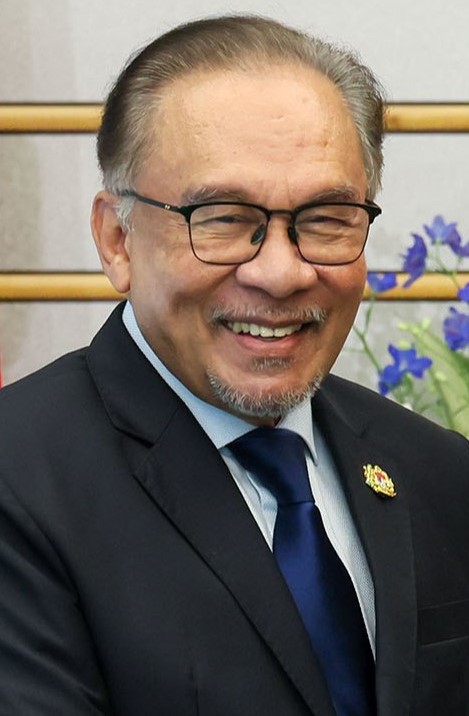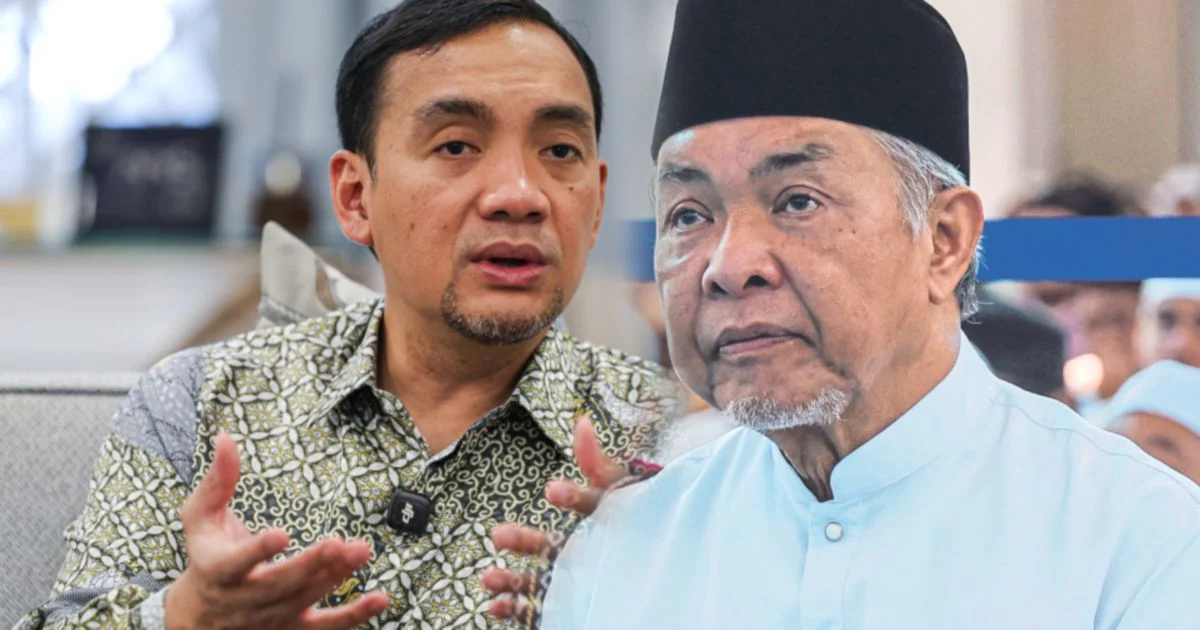
Deputy Prime Minister Ismail Sabri Yaakob has moved to dispel growing speculation about restrictions on caretaker Johor Menteri Besar Datuk Onn Hafiz Ghazi's activities by affirming that no official instructions prohibit the state leader from visiting Federal Land Development Authority settlements across the peninsula.
Zahid's statement addresses mounting questions about whether Onn Hafiz's movement and campaign activities face limitations during the caretaker period preceding Johor's upcoming state elections. The clarification comes at a time when political observers have scrutinised the boundaries between caretaker government functions and active electioneering, particularly in states controlled by different coalition partners. By explicitly denying the existence of formal prohibitions, Zahid seeks to reassure stakeholders that established protocols governing interim administrations remain intact and unchanged.
The timing of this declaration proves significant given the heightened political sensitivities surrounding Felda operations in Johor. These settlements represent crucial voting blocs in Malaysian elections, with residents historically comprising a substantial portion of the state's electoral base. Felda beneficiaries have long been considered swing voters capable of influencing outcomes in closely contested constituencies, making their goodwill essential for any political formation seeking state-level dominance. Access to these communities therefore carries considerable symbolic and practical weight in pre-election manoeuvring.
Onn Hafiz, who continues in the caretaker capacity despite the intervening period before formal elections, maintains legitimate constitutional duties requiring interaction with constituents and administrative stakeholders. As the sitting chief executive, his engagement with Felda developments falls within the ordinary scope of state governance responsibilities. Distinguishing between legitimate administrative functions and prohibited campaign activities represents a persistent challenge for Malaysian caretaker administrations, where the line between governance and electioneering frequently blurs during transition periods.
The Johor electoral landscape has demonstrated considerable fluidity in recent years, with control shifting between coalition partners and political fortunes fluctuating based on performance and perception. The emergence of clarifications regarding caretaker-period restrictions suggests underlying concerns about potential asymmetries in campaign access and resources that could disadvantage certain contenders. By affirming open access to Felda settlements, Zahid implicitly commits to maintaining neutral ground during the interim phase, a principle frequently tested but rarely perfectly realised in Malaysian electoral practice.
Felda's institutional role as a state-administered statutory body managing collective agricultural investments means its governance and beneficiary relations intersect closely with state political structures. Historically, Felda leadership has maintained complex relationships with both government and opposition forces, attempting to serve member interests while responding to political pressures from whoever controls state apparatus. The explicit confirmation that Onn Hafiz retains visiting privileges therefore carries implications extending beyond mere ceremonial access, touching on the substantive relationship between political leadership and organised agricultural constituencies.
Previous instances of disputed caretaker-period activities across Malaysian states have generated legal and constitutional questions about appropriate behaviour during interim periods. Courts have occasionally intervened to clarify permissible boundaries, though interpretations remain somewhat contested. Zahid's proactive statement potentially aims at preventing such disputes from escalating to legal terrain, where judicial determination would become necessary. By establishing clear positions beforehand, the administration demonstrates commitment to transparent governance standards, however debateable their practical implementation might prove.
The broader context of Malaysian electoral management reveals persistent tensions between formal regulations and political realities. Caretaker periods ostensibly restrict partisan activity while permitting routine governance, yet distinguishing between categories presents genuine difficulty. Political parties have frequently accused opponents of exploiting caretaker status for campaign advantage, allegations rarely proven definitively but reflecting widespread scepticism about enforcement neutrality. Zahid's statement engages this perpetual friction, attempting to establish credibility through explicit assurances.
For observers monitoring Johor's political trajectory, the confirmation of Onn Hafiz's Felda access signals confidence in his competitive positioning despite caretaker constraints. Simultaneously, it reflects underlying awareness that electoral outcomes depend substantially on cultivating relationships with organised interest groups concentrated in defined geographical areas. The explicit clarification demonstrates recognition that perception itself influences political dynamics, with rumours of restrictions potentially undermining support even absent factual foundation.
The Johor electoral contest acquires additional significance within Malaysia's broader political configuration, where state outcomes frequently signal shifting national sentiments and coalition viability. Felda communities' demonstrated electoral weight means their mobilisation or demobilisation substantially affects seat mathematics. By ensuring equitable access during the interim period, federal leadership attempts to demonstrate commitment to fair competition while implicitly reinforcing caretaker-period protocols that theoretically apply uniformly across all contesting parties.